Shipping from China to Malawi requires careful planning due to Malawi’s landlocked geography and its reliance on Southern African seaports for international trade. Most cargo is routed through ports such as Beira or Nacala in Mozambique, as well as Durban in South Africa, before continuing inland to destinations like Lilongwe or Blantyre. Logistics Groups supports importers shipping to Malawi by combining strong carrier partnerships with regional transit expertise, ensuring smooth coordination across borders and inland corridors. As a global freight forwarder with extensive experience in Africa-bound shipments, Logistics Groups delivers customized logistics solutions that balance cost efficiency, transit stability, and regulatory compliance for shipments from China to Malawi.
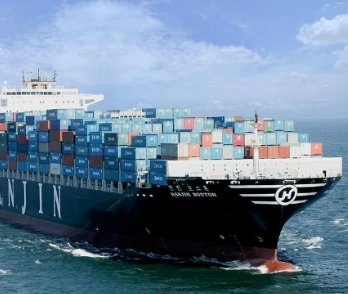
Sea freight from China to Malawi is the most cost-effective option for transporting bulk cargo, heavy goods, and large commercial shipments, with containers shipped from major Chinese ports such as Shanghai, Ningbo, Shenzhen, or Qingdao to Southern African gateways including Beira, Nacala, or Durban before being transported inland by road or rail. Due to multiple border crossings and inland transit stages, total shipping time typically ranges from 40 to 60 days, making accurate documentation and route selection critical to avoid delays. Logistics Groups manages container booking, port handling, transit documentation, and cross-border coordination, helping importers maintain predictable delivery schedules and control overall logistics costs when shipping to Malawi.
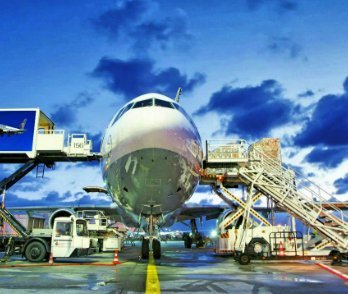
Air freight from China to Malawi is the fastest solution for urgent, high-value, or time-sensitive cargo, with shipments departing from key Chinese airports such as Guangzhou, Shenzhen, Shanghai, or Hong Kong and arriving at Kamuzu International Airport or Chileka International Airport via regional hubs. Transit times usually range from 4 to 8 days depending on flight connections and customs clearance, making air freight suitable for electronics, medical equipment, spare parts, samples, and urgent commercial goods. Logistics Groups coordinates airline capacity, export clearance, and Malawi import customs procedures to ensure efficient cargo handling and reduced transit risk throughout the journey.

Door to door shipping from China to Malawi provides a fully integrated logistics solution for importers seeking simplicity and end-to-end control, covering factory pickup in China, export customs clearance, sea or air freight, regional transit through Southern Africa, Malawi customs clearance, and final delivery to the consignee’s address. This service eliminates the complexity of managing multiple logistics providers and is particularly suitable for SMEs, first-time importers, and project cargo that requires coordinated execution across borders. Logistics Groups designs door-to-door shipping solutions based on cargo characteristics, delivery timelines, and budget considerations, ensuring consistent service quality from origin to destination.

FCL shipping from China to Malawi is ideal for businesses transporting large volumes of goods that can fill an entire container, offering enhanced cargo security, reduced handling, and improved cost efficiency per unit. Full containers are routed through Southern African ports and transported inland under controlled conditions, making FCL a preferred option for machinery, construction materials, industrial equipment, and wholesale imports. Logistics Groups provides stable container space, optimized routing, and professional coordination to ensure smooth port-to-inland transitions and reliable delivery into Malawi.
LCL shipping from China to Malawi is a practical option for smaller shipments that do not require a full container, allowing goods to be consolidated with other cargo and shipped together. Although LCL shipments typically involve longer transit times due to consolidation and deconsolidation processes, they offer cost flexibility for SMEs, trial orders, and low-volume imports. Logistics Groups manages consolidation, labeling, documentation accuracy, and inland distribution to ensure LCL cargo arrives in Malawi safely and efficiently.
Reliable pickup from suppliers across China and final delivery to warehouses or project sites throughout Malawi.
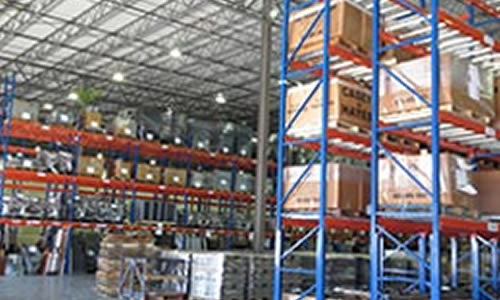
Short-term storage and consolidation warehousing solutions in China and regional transit hubs.
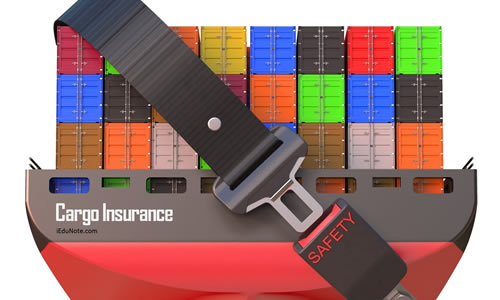
Optional insurance coverage to protect shipments against loss or damage during international transit.

Professional export and import customs clearance support aligned with Malawi Revenue Authority requirements.
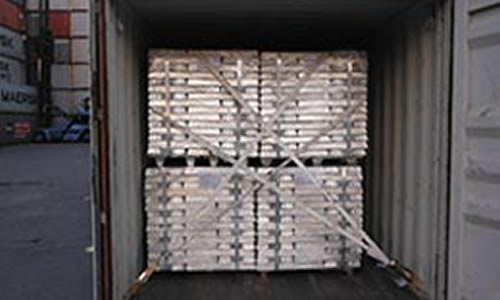
Pre-shipment loading inspections to verify cargo quantity, condition, and compliance.
Choosing the right freight forwarder is critical when shipping to Malawi, where inland transit efficiency and cross-border coordination play a key role in delivery success. Logistics Groups combines global freight capabilities with hands-on experience in Southern Africa logistics corridors, providing reliable, compliant, and cost-effective shipping solutions from China to Malawi.
Why choose Logistics Groups?
Whether you are shipping a single pallet or managing ongoing supply chains, Logistics Groups is your trusted freight forwarder from China to Malawi.
The shipping duration from China to Malawi generally ranges from 3 to 6 weeks. This timeframe includes various factors such as the shipping method used (air freight vs. sea freight), the efficiency of customs clearance, and potential delays during transit.
Air freight shipments from China to Malawi usually take about 7 to 14 days. This faster method is more expensive compared to sea freight but significantly reduces the delivery time, with most delays arising from customs or logistical issues.
Sea freight typically takes between 6 to 8 weeks for shipments from China to Malawi. This method is cost-effective for large or heavy items, though it involves longer transit times and additional time for port handling and customs clearance.
Yes, express courier services like DHL, FedEx, and UPS offer faster shipping options from China to Malawi, with delivery times ranging from 4 to 7 days. These services are more expensive but provide quicker transit and better tracking capabilities.
Shipping time can be affected by several factors including the chosen shipping method, port congestion, customs processing delays, weather conditions, and the efficiency of the logistics provider. Each of these can add to the overall delivery time.
Customs clearance can significantly impact shipping times as it involves inspection and approval of goods. Delays may occur if documentation is incomplete or if additional duties or taxes are required. Efficient customs procedures can help minimize these delays.
Air freight is considerably more expensive than sea freight. While air freight can cost several times more per kilogram, it offers quicker delivery times. Sea freight, being more economical, is better suited for bulk shipments despite the longer transit duration.
Yes, most international shipping services provide tracking options. Whether you use air freight, sea freight, or express couriers, tracking systems are available to monitor the shipment's progress and estimate its arrival time.
Ensure that all necessary documents are prepared, including invoices, packing lists, and certificates of origin. Proper labeling and compliance with both Chinese export and Malawian import regulations are also crucial to avoid delays.
Shipping times can be extended due to holidays and weekends, as these periods may affect both the shipping service operations and customs clearance. Plan for potential delays by accounting for public holidays in both China and Malawi.
We have worked with Logistics Groups on multiple shipments, and each one was handled with consistency and care. They are a reliable partner for China–Europe transportation.
Logistics Groups delivered an excellent rail freight solution from China to Europe. The entire process—from booking to customs clearance and final delivery—was smooth, well-organized, and transparent. Highly recommended.
Rail freight with Logistics Groups proved to be much faster than sea freight while remaining far more cost-effective than air transport. A very efficient solution for our regular shipments.