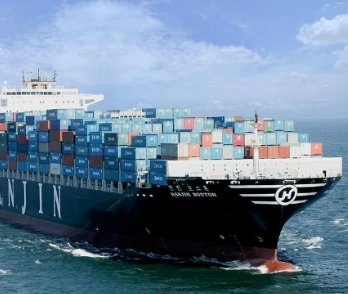
Shipping from China to Fiji Islands is supported by relatively well-developed port and airport infrastructure compared with other Pacific island nations. With Logistics Groups, shippers gain access to reliable logistics solutions connecting China with Fiji’s main commercial hubs. Cargo typically arrives through Suva and Lautoka, serving as key entry points for domestic distribution and regional transshipment. Logistics Groups ensures compliant documentation, efficient routing, and stable delivery for commercial and project cargo.
Sea freight is the most cost-effective option for shipping from China to Fiji Islands. Cargo departs from major Chinese ports such as Shanghai, Ningbo, Shenzhen, and Qingdao, and is routed directly or via regional transshipment hubs to Suva Port or Lautoka Port. This method is ideal for machinery, construction materials, consumer goods, and bulk cargo. Logistics Groups manages vessel scheduling, port handling, and inland transportation to maintain predictable transit times.

Air freight provides fast and reliable delivery for time-sensitive shipments. Cargo typically arrives at Nadi International Airport, with transit times ranging from 2 to 6 days depending on routing. Air freight is suitable for electronics, medical supplies, perishables, and high-value goods. Logistics Groups handles air cargo booking, customs clearance, and local delivery across Fiji’s main islands.

Door-to-door shipping from China to Fiji Islands offers a comprehensive logistics solution, covering pickup in China, export customs clearance, international transport, import clearance in Fiji, and final delivery. This service is widely used by retailers, wholesalers, and infrastructure projects serving Viti Levu and Vanua Levu. Logistics Groups ensures smooth coordination and full shipment visibility throughout the process.

FCL shipping is ideal for large-volume shipments requiring full container capacity. Containers are shipped directly to Fiji’s major ports with reduced handling and enhanced cargo security. FCL is commonly used for industrial equipment, construction materials, and wholesale imports. Logistics Groups coordinates container loading, ocean transport, and final delivery to ensure efficiency.
LCL shipping is suitable for smaller shipments that do not fill a full container. Cargo is consolidated at origin in China and shipped to Fiji, where it is deconsolidated at port before local distribution. LCL offers flexibility and cost efficiency for SMEs. Logistics Groups manages consolidation, documentation, customs clearance, and last-mile delivery.
Factory pickup across China and delivery throughout Fiji’s main islands.
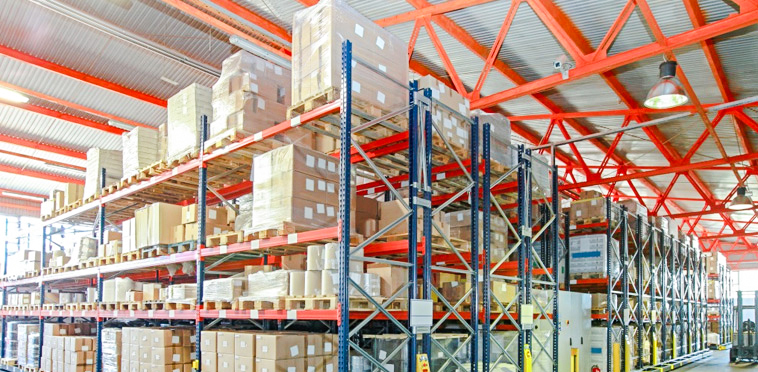
Consolidation and storage solutions at Chinese ports and Fijian logistics hubs.
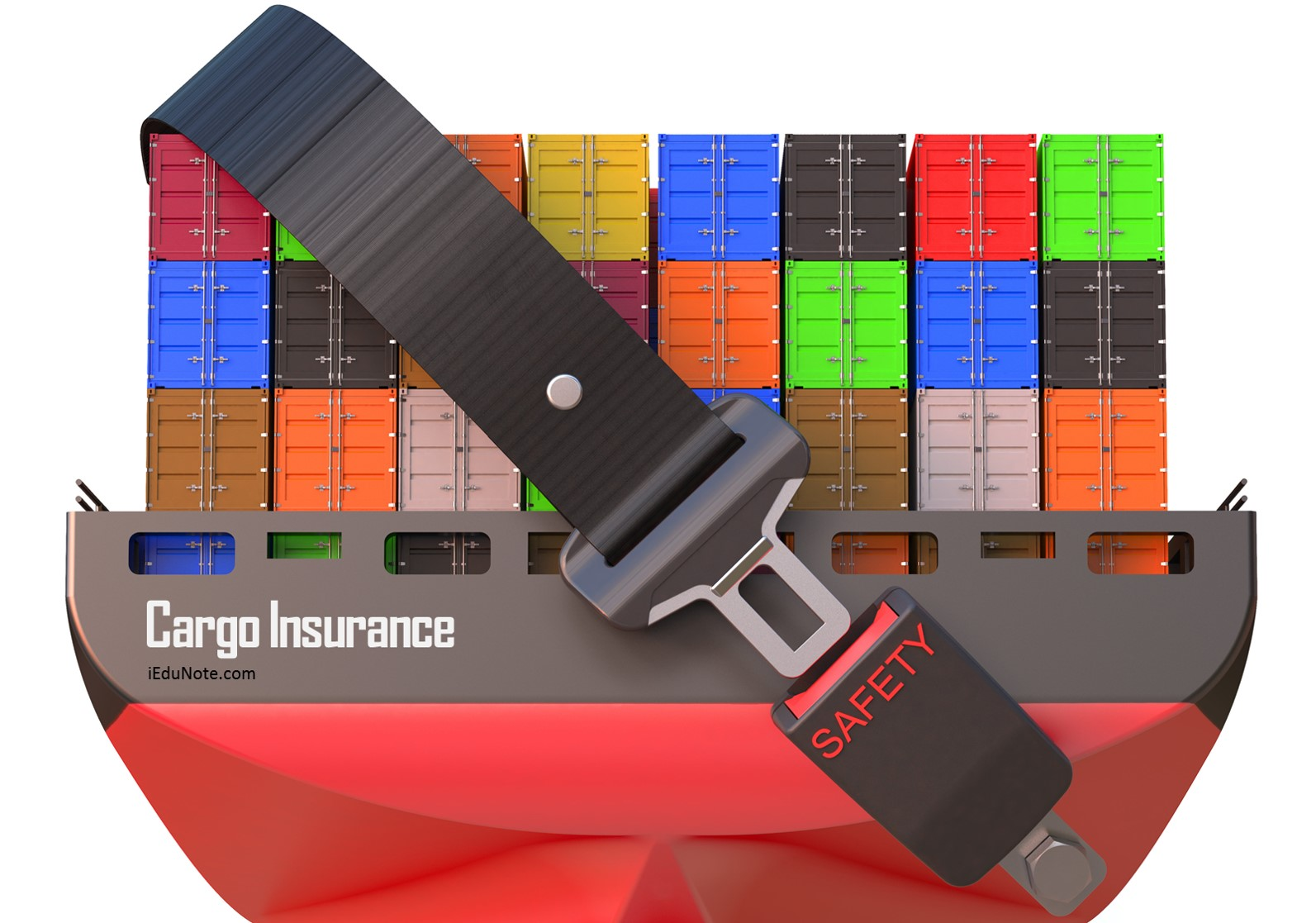
Optional insurance coverage for sea and air shipments.

Professional customs clearance in compliance with Fijian import regulations.
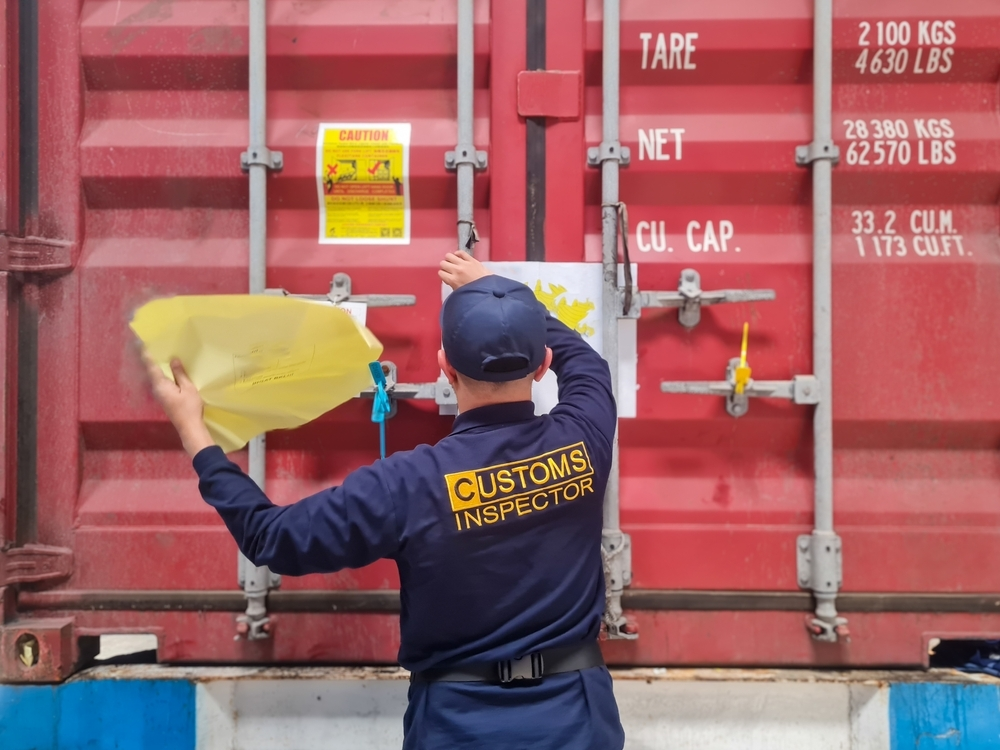
Pre-shipment inspection to ensure cargo quality and shipping compliance.
With extensive experience in Pacific regional logistics, Logistics Groups is your trusted freight forwarder for shipping from China to Fiji Islands. We offer:
Choose Logistics Groups to move your cargo efficiently and reliably to Fiji Islands, a key logistics gateway in the South Pacific.
The shipping duration from China to Fiji Islands depends on the mode of transport (air or sea), route efficiency, and potential delays caused by port congestion or adverse weather. Sea freight is generally slower, taking 20 to 30 days, while air freight is quicker, typically 7 to 14 days. Customs processing and transit times may also impact the overall delivery schedule.
To track your shipment from China to Fiji Islands, use the tracking system provided by your freight forwarder or carrier. Most offer online platforms where you can enter your tracking number to get real-time updates. Regularly check these updates to monitor the shipment's progress and stay informed about any potential issues.
If your shipment is delayed, contact your freight forwarder or carrier immediately for information on the cause and expected resolution time. They can provide updates and may suggest actions to expedite the process. Additionally, review any documentation or requirements that might need adjustment to resolve the delay.
To reduce shipping costs, consider consolidating shipments to lower expenses and choosing cost-effective transport options like sea freight. Negotiate rates with your freight forwarder and optimize packaging to minimize weight and volume. Regularly compare quotes from different service providers to ensure you’re getting the best rate.
Essential documents for shipping include a commercial invoice, packing list, and bill of lading. Depending on the shipment, additional documents like import permits or certificates of origin may be required. Ensure all paperwork is complete and accurate to facilitate smooth customs processing and avoid delays.
Importing goods into Fiji requires compliance with local customs regulations, including accurate declaration of goods and payment of applicable duties and taxes. Necessary documents often include import permits, certificates of origin, and compliance with safety standards. Consulting a customs broker can help ensure adherence to all regulatory requirements.
To safeguard your cargo, use high-quality, appropriate packaging materials and secure items properly to prevent damage. Consider insuring your shipment against potential loss or damage. Employ tracking systems for real-time monitoring and work with experienced carriers known for their safety practices.
A freight forwarder provides several advantages, including expert management of logistics, access to competitive shipping rates, and handling of complex customs procedures. They coordinate all aspects of the shipping process, from booking to delivery, ensuring a streamlined and efficient experience.
Shipping hazardous materials from China to Fiji Islands is possible but requires strict adherence to international and local regulations. Proper labeling, packaging, and documentation are essential. Consult with your freight forwarder to ensure compliance with safety and regulatory standards for hazardous goods.
To prepare shipments effectively, ensure goods are accurately labeled and packed with durable materials suitable for the cargo type. Verify that all regulatory requirements are met and documentation is complete. Consulting with your freight forwarder and following their guidelines can help ensure a smooth shipping process and prevent issues.
We have worked with Logistics Groups on multiple shipments, and each one was handled with consistency and care. They are a reliable partner for China–Europe transportation.
Rail freight with Logistics Groups proved to be much faster than sea freight while remaining far more cost-effective than air transport. A very efficient solution for our regular shipments.
Logistics Groups handled all documentation, customs procedures, terminal operations, and last-mile delivery seamlessly. Their one-stop logistics service saved us a lot of time and effort.