

Cargo From China Cheap: 10 Proven Strategies for Low-Cost Shipping
Finding cargo from china cheap is a fundamental requirement for businesses aiming to maximize their profit margins in a competitive global market. However, the process involves more than just picking the lowest quote from a random provider. You must understand how different shipping modes, seasonal fluctuations, and carrier networks impact your total landed cost. This comprehensive guide explores the most effective ways to reduce your logistics expenses while ensuring your goods arrive safely and on time.
What Factors Influence Finding Cargo From China Cheap?
Securing affordable shipping rates requires a strategic approach to your entire supply chain. Many importers mistakenly believe that the base freight rate is the only variable they can control. In reality, fuel surcharges, port congestion, and local trucking fees often dictate the final price you pay.
Moreover, the timing of your booking plays a critical role in determining the cost. Shipping during the peak season from August to October usually results in significantly higher expenses. Therefore, planning your shipments during the off-peak months can lead to substantial savings for your business.
Additionally, the volume of your cargo determines whether you should choose Full Container Load or Less than Container Load options. While sea freight is generally the most economical choice, small shipments might benefit from different consolidation strategies. You should always compare the total cost of ownership rather than just the initial quote.
Furthermore, working with an experienced freight forwarder provides access to negotiated carrier rates that are not available to the general public. These professionals understand the nuances of the Chinese market and can identify the most cost-effective ports of loading. Consequently, leveraging their expertise is a smart move for any importer.
How Does Sea Freight Compare to Other Shipping Options?
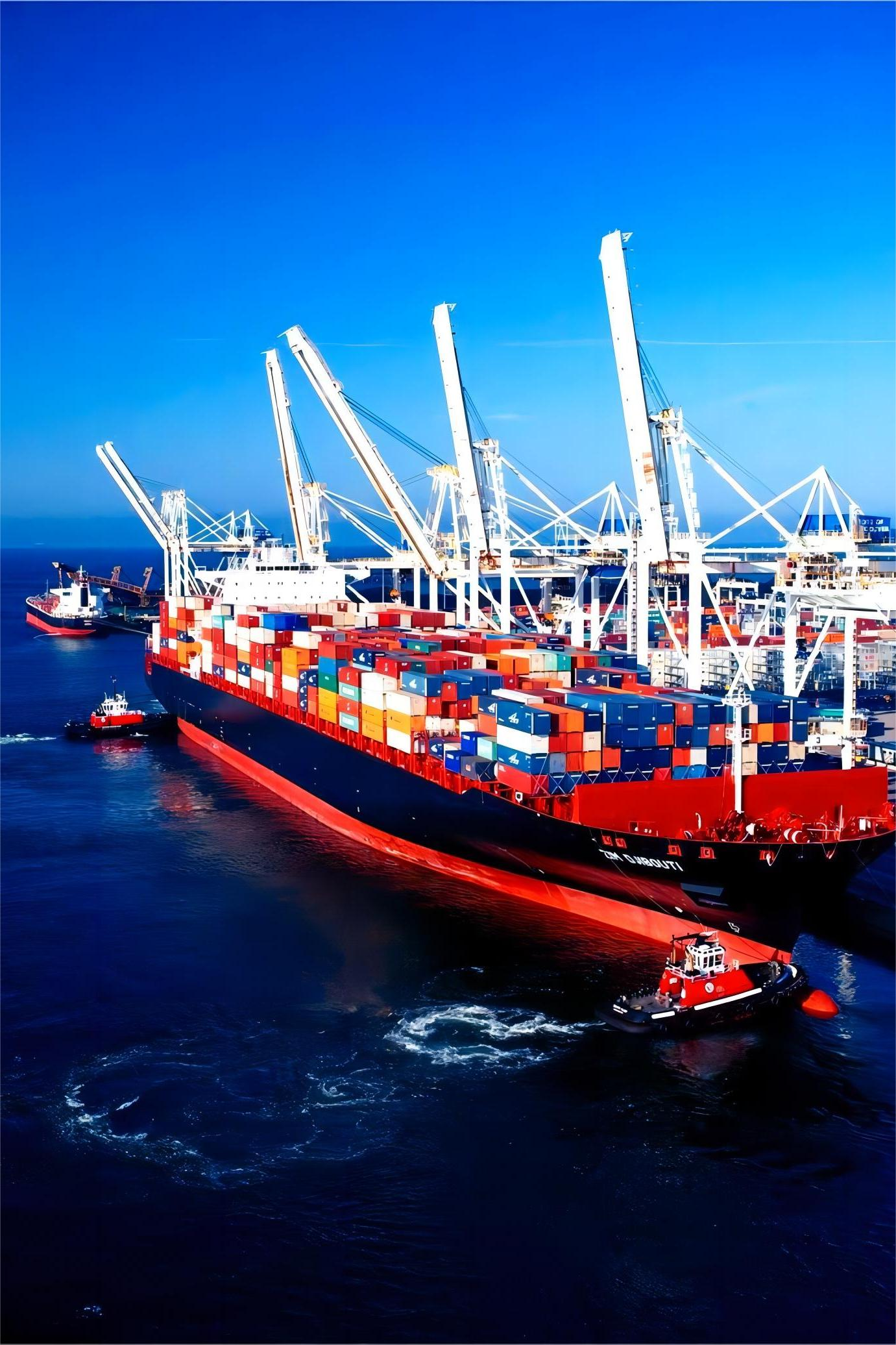
When you search for cargo from china cheap, ocean transport remains the undisputed leader in cost-efficiency for large volumes. It allows you to move massive quantities of goods across the globe at a fraction of the cost of air transport. Nevertheless, you must account for the longer transit times associated with this method.
On the other hand, air freight offers speed but comes with a premium price tag that can erode your margins. For most consumer goods, the trade-off between cost and speed favors sea or rail options. We have provided a detailed comparison below to help you visualize these differences clearly.
According to industry benchmarks, sea freight is approximately 80 percent cheaper than air freight for heavy or bulky items. As a result, it is the preferred method for furniture, machinery, and large-scale retail inventory. Typical rates as of early 2025 show that ocean freight has stabilized after previous global disruptions.
| Shipping Method | Cost Range | Transit Time | Best For |
|---|---|---|---|
| Sea Freight (FCL) | $1,500 – $4,500 | 25-40 Days | Large volumes and bulky items |
| Rail Freight | $800 – $2,500 | 15-22 Days | Mid-sized shipments to Europe |
| Air Freight | $5 – $12 per kg | 3-7 Days | High-value or urgent goods |
| Express Service | $8 – $15 per kg | 2-5 Days | Samples and small parcels |

Why Is Rail Freight a Viable Alternative for Cargo From China Cheap?
For shipments destined for Europe or Central Asia, rail freight offers a perfect middle ground between sea and air. It is significantly faster than ocean transport while remaining much more affordable than flying your goods. Indeed, many businesses are turning to the Iron Silk Road to balance their logistics budgets.
Furthermore, rail transport is less susceptible to the weather-related delays that often plague ocean vessels. This reliability allows for more precise inventory management and predictable delivery schedules. Consequently, you can reduce the amount of safety stock you need to hold in your warehouse.
In addition, rail freight is considered a more environmentally friendly option compared to air transport. Many modern corporations prioritize sustainable logistics as part of their corporate social responsibility goals. Therefore, choosing rail helps you save money and reduce your carbon footprint simultaneously.
However, you must ensure your supplier is located near a major rail hub like Xi-an or Chengdu to maximize efficiency. Transporting goods long distances within China to reach a rail terminal can add unnecessary costs. Always calculate the total door-to-door expense before committing to a specific route.
Can Professional Customs Brokerage Save You Money?
Many importers overlook the impact of duties and taxes on their overall shipping budget. Using a professional customs brokerage service ensures that your goods are classified correctly under the Harmonized System codes. Incorrect classification can lead to overpaying duties or facing expensive fines from customs authorities.
Moreover, experienced brokers can help you identify trade agreements that might lower your tax liability. For example, certain products may qualify for duty drawbacks or exemptions based on their end-use. Without a doubt, expert guidance in this area pays for itself through direct cost savings.
Meanwhile, delays at the border can result in demurrage and detention fees that quickly add up. A skilled broker manages the documentation process proactively to ensure a smooth clearance experience. As a result, your cargo moves through the port without incurring unnecessary storage charges.
In contrast, attempting to handle customs paperwork yourself often leads to errors and lengthy inspections. These complications not only delay your supply chain but also increase your total landed cost significantly. It is almost always more economical to hire a professional for this critical task.
Real-World Examples: Shipping Cargo From China Cheap Successfully
To help you understand the practical application of these strategies, we have compiled two realistic case studies based on 2024 market data. These examples illustrate how different choices affect the final price and timeline of a shipment. Please note that rates fluctuate based on fuel costs and carrier capacity.
Case Study 1: Electronics to USA West Coast. Route: Shenzhen to Los Angeles. Cargo: Consumer electronics, 15 CBM, 3000 kg. Container: LCL. Shipping Details: Major carrier, Port of Loading: Shenzhen, Port of Discharge: Los Angeles. Cost Breakdown: Ocean Freight: $1,200. Origin Charges: $250. Destination Charges: $400. Customs and Duties: $800. Total Landed Cost: $2,650. Timeline: 22 days door-to-door. Key Insight: Consolidating LCL cargo saved the client 40 percent compared to air freight.
Case Study 2: Textiles to Europe. Route: Shanghai to Hamburg. Cargo: Apparel, 68 CBM, 12000 kg. Container: 40HQ. Shipping Details: Direct via Suez Canal, Port of Loading: Shanghai, Port of Discharge: Hamburg. Cost Breakdown: Ocean Freight: $3,200. Origin Charges: $350. Destination Charges: $500. Customs and Duties: $1,500. Total Landed Cost: $5,550. Timeline: 35 days. Key Insight: Booking 4 weeks in advance secured a fixed rate before the peak season surge.
Note: Freight rates are subject to change based on fuel costs, carrier capacity, and seasonal demand. Contact us for a current quote tailored to your specific shipment.

Which Option Should You Choose for Your Logistics Needs?
Choosing the right method depends entirely on your specific business priorities and the nature of your products. If your primary goal is to minimize costs and you have flexible lead times, sea freight is the clear winner. For urgent inventory replenishment, you might need to utilize door to door express services despite the higher cost.
Additionally, you should consider a hybrid approach for maximum flexibility. For instance, you could ship the bulk of your inventory via sea while sending a small portion via air to meet immediate demand. This strategy ensures you never run out of stock while keeping your average shipping cost low.
Furthermore, the destination country significantly influences the best shipping strategy. Shipping to North America often involves different port considerations than shipping to Europe or Australia. You must evaluate the local infrastructure and last-mile delivery options in your target market to avoid hidden expenses.
Market data suggests that businesses using a mix of freight modes reduce their logistics spend by up to 15 percent annually. By diversifying your shipping methods, you can adapt to market fluctuations and avoid being trapped by a single carrier’s price hikes. Always remain agile in your decision-making process.
How to Optimize Your Supply Chain for Lower Costs
Optimizing your packaging is one of the easiest ways to secure cargo from china cheap. Reducing the dimensions of your boxes allows you to fit more products into a single container, effectively lowering the cost per unit. Many manufacturers are happy to adjust packaging if it leads to more efficient shipping.
Moreover, you should always request quotes from multiple freight forwarders to ensure you are getting a fair market rate. Competition among logistics providers often leads to better deals and more inclusive service packages. However, do not choose based on price alone; reliability and communication are equally important.
In addition, consider using air freight only for high-margin items or samples that require rapid testing. For everything else, the slower, cheaper methods will provide a better return on investment. Consistency in your shipping volume can also help you negotiate better long-term contracts with carriers.
Finally, staying informed about global logistics trends allows you to anticipate price changes before they happen. For example, knowing about upcoming port strikes or holiday closures in China helps you adjust your shipping schedule. Proactive management is the hallmark of a successful and cost-effective import business.
Final Thoughts on Affordable Chinese Logistics
To summarize, finding cargo from china cheap requires a combination of strategic planning, the right shipping mode, and professional expertise. While sea freight remains the most cost-effective option for most, rail and consolidated services offer valuable alternatives for specific needs. By focusing on total landed costs and optimizing your supply chain, you can significantly improve your business’s bottom line.
Indeed, the logistics landscape is constantly changing, but the principles of cost-saving remain consistent. Always prioritize clear communication with your suppliers and freight forwarders to avoid unexpected fees. With the right approach, you can turn your international shipping from a major expense into a competitive advantage for your company.
Ready to streamline your logistics?
Securing cargo from china cheap does not have to be a complicated process when you work with the right logistics partner. Our team is ready to help you optimize your shipping routes and reduce your overall expenses today. Send Inquiry and let us provide a customized quote that fits your budget and timeline perfectly.
Request Quote