

Shipping from China 2026 Italy: The Ultimate Logistics and Cost Guide
Navigating the complexities of shipping from China 2026 Italy requires a deep understanding of evolving trade routes and logistics efficiency. As global trade patterns shift toward more sustainable and digitized models, partnering with a reliable partner like Logistics Groups ensures your cargo arrives safely and on time. This comprehensive guide explores the best methods to manage your 2026 imports effectively while minimizing costs and transit delays. Businesses must adapt to new regulatory frameworks and fluctuating fuel surcharges to maintain a competitive edge in the Italian market.
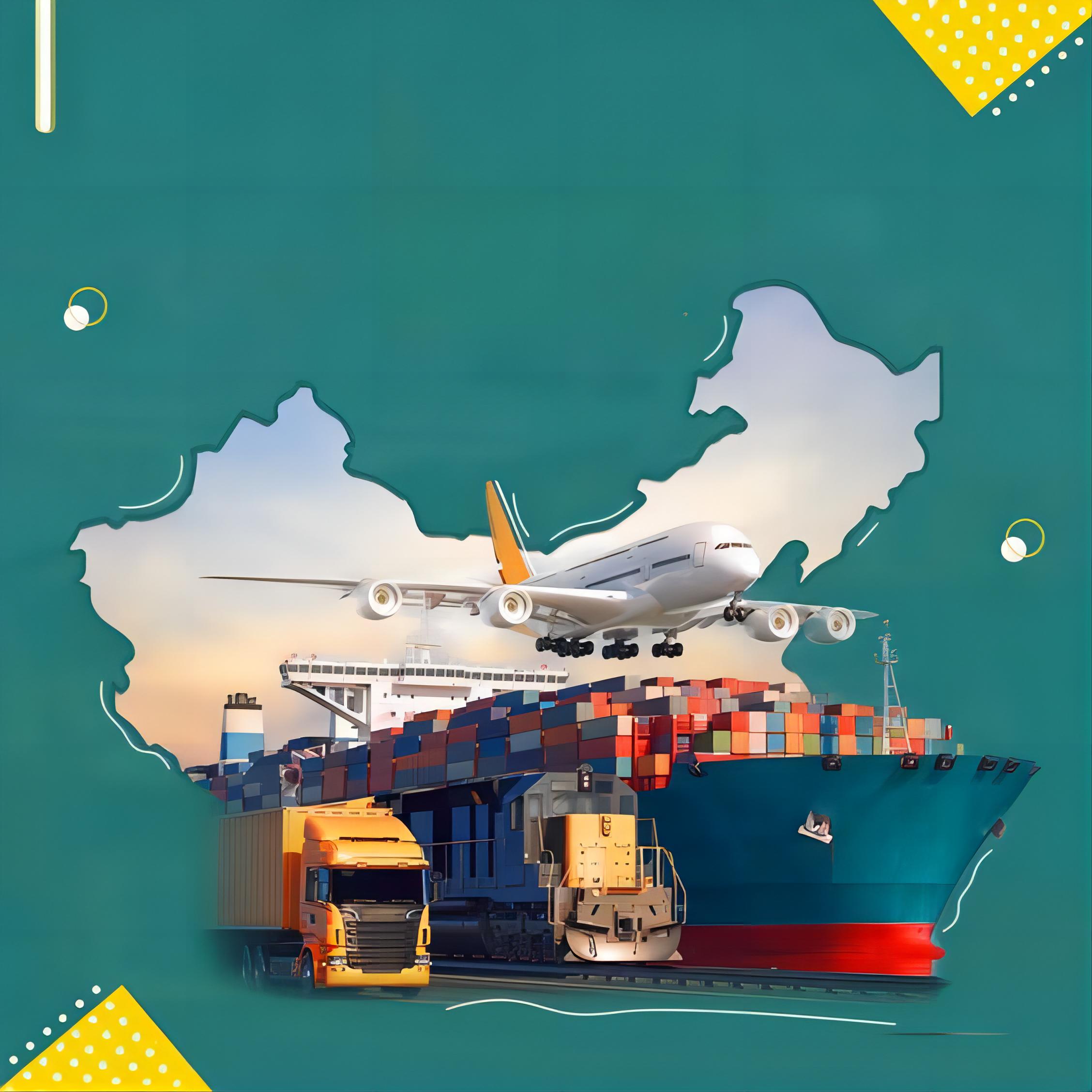
How Much Does Shipping from China 2026 Italy Cost?
Determining the exact 2026 shipping costs involves analyzing several variables including fuel prices, port demand, and seasonal peaks. Generally, sea freight remains the most economical choice for large volumes, although rates vary significantly between Full Container Load and Less than Container Load options. For instance, a standard 40HQ container might see price fluctuations based on the carrier’s capacity and global economic conditions.
Moreover, importers should account for ancillary charges such as terminal handling fees and documentation costs which can add 10-15 percent to the base freight rate. Consequently, early booking is highly recommended to lock in competitive prices before peak seasons like the Chinese New Year or the autumn rush. Using sea freight allows for significant savings when shipping non-urgent bulk commodities.
Furthermore, the introduction of new environmental taxes on maritime emissions in 2026 may influence the overall landed cost of goods. Businesses should stay informed about these regulatory changes to avoid unexpected expenses during the customs clearance process. Indeed, maintaining a flexible budget is essential for successful international trade.
| Container Type | Average Cost (USD) | Transit Time | Best For |
|---|---|---|---|
| 20GP FCL | $1,900 – $2,600 | 30-35 Days | Heavy Machinery |
| 40GP FCL | $2,900 – $3,900 | 30-35 Days | Consumer Goods |
| 40HQ FCL | $3,100 – $4,300 | 32-38 Days | Voluminous Cargo |
| LCL (per CBM) | $60 – $95 | 35-42 Days | Small Shipments |
What Are the Transit Times for Shipping from China 2026 Italy?
Transit times for shipping from China 2026 Italy depend heavily on the chosen mode of transport and the specific port of origin. Sea freight typically takes between 30 and 40 days to reach major Italian ports like Genoa or Trieste from Shanghai or Ningbo. However, weather conditions and port congestion can occasionally extend these timelines by several days.
In contrast, air freight provides a much faster alternative for time-sensitive cargo, often arriving within 3 to 7 business days. This speed comes at a higher price point, making it most suitable for high-value electronics or urgent fashion samples. Therefore, choosing the right balance between speed and cost is a critical decision for every supply chain manager.
Additionally, rail freight has emerged as a middle-ground solution, offering transit times of 18 to 24 days. This method utilizes the New Silk Road infrastructure to bypass maritime bottlenecks and provide a more predictable schedule. Consequently, many European businesses are increasingly adopting rail for mid-value industrial components.
How Does Sea Freight Compare to Other Shipping Options?
When evaluating shipping from China 2026 Italy, sea freight is often compared against air and rail alternatives based on cost-efficiency and reliability. While sea freight offers the lowest cost per unit for large shipments, it lacks the agility required for rapid inventory replenishment. On the other hand, air freight maximizes speed but can be prohibitively expensive for low-margin products.
Specifically, rail freight serves as an excellent hybrid, providing faster delivery than sea and lower costs than air. Nevertheless, rail capacity is more limited and can be affected by geopolitical shifts along the transit corridor. As a result, many companies utilize a multi-modal strategy to mitigate risks associated with any single transport method.
Note: Freight rates are subject to change based on fuel costs, carrier capacity, and seasonal demand. Contact us for a current quote tailored to your specific shipment.
| Method | Cost Range | Transit Time | Limitations |
|---|---|---|---|
| Sea Freight | Low | 30-45 Days | Slowest speed |
| Air Freight | High | 3-7 Days | Weight limits |
| Rail Freight | Medium | 18-24 Days | Route specific |
| Express | Very High | 2-5 Days | Small parcels only |
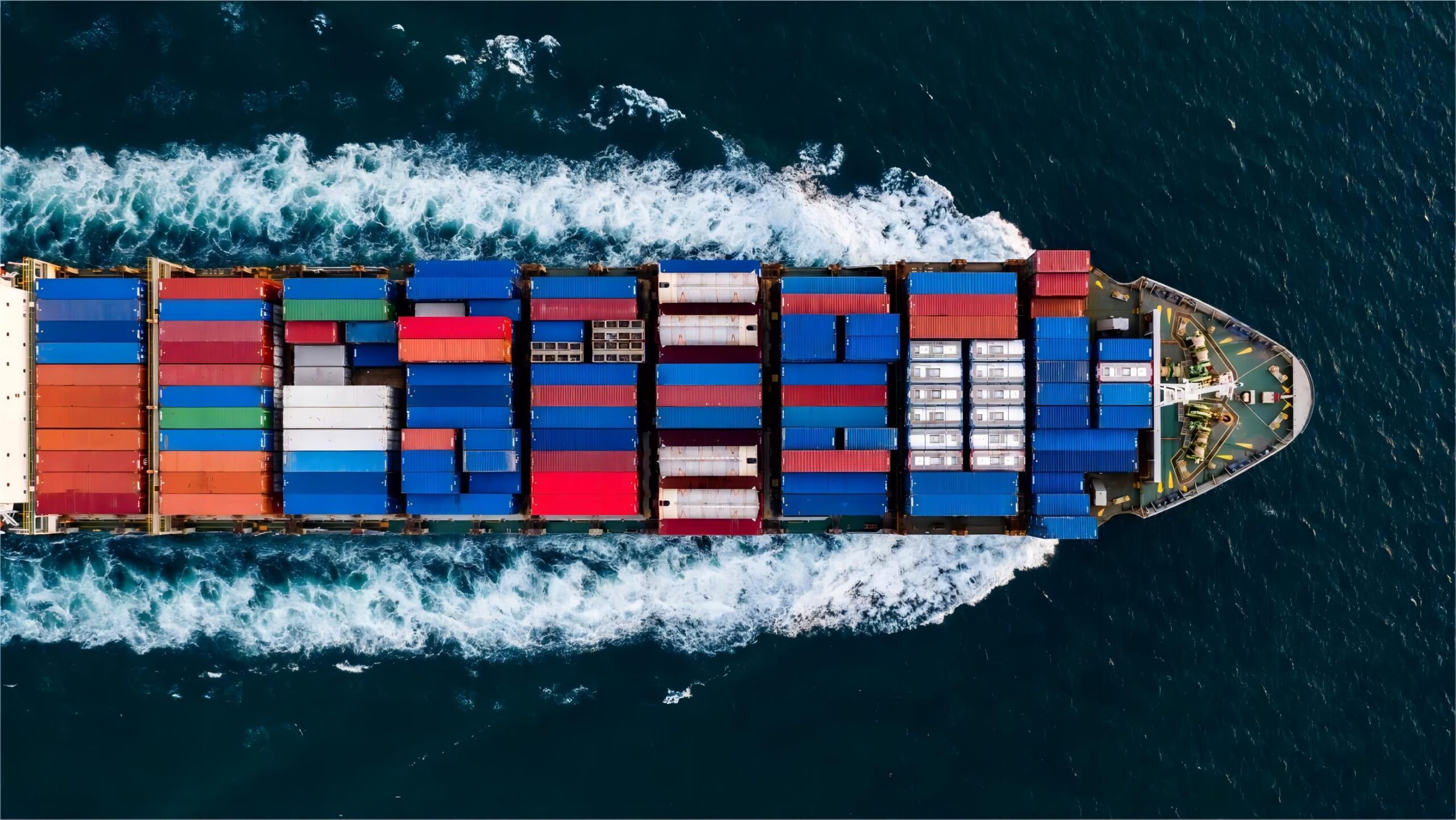
Why Should You Use Rail Freight for Italy Imports in 2026?
The adoption of rail freight has grown significantly due to its environmental benefits and consistent performance. By 2026, the rail network connecting China to Europe is expected to be more streamlined, with fewer customs delays at border crossings. This makes it an ideal choice for businesses looking to reduce their carbon footprint without sacrificing too much speed.
Moreover, rail transport is less susceptible to the volatile weather conditions that often plague maritime routes during typhoon seasons. Consequently, transit schedules are generally more reliable, allowing for better inventory planning and warehouse management. Indeed, rail is becoming the preferred choice for automotive parts and high-end machinery.
Furthermore, rail freight costs are more stable than air cargo prices, which can spike suddenly due to fuel fluctuations. By choosing rail, importers can maintain more predictable pricing for their customers throughout the fiscal year. In addition, the door-to-door integration for rail is often more efficient than sea-to-truck transfers.
What Are the Customs Requirements for Italy in 2026?
Navigating the Italian customs landscape requires meticulous preparation of documentation to avoid costly delays at the border. Importers must provide a commercial invoice, a detailed packing list, and a Bill of Lading or Air Waybill depending on the transport mode. Additionally, obtaining a valid EORI number is mandatory for all businesses importing goods into the European Union.
Using a professional customs brokerage service can simplify this process and ensure compliance with the latest EU trade regulations. For instance, specific products may require certificates of origin or CE marking to meet safety and quality standards. Therefore, verifying these requirements before the cargo leaves China is essential for a smooth delivery.
Furthermore, the Italian government may implement updated VAT collection procedures for e-commerce shipments in 2026. This is particularly relevant for those using Amazon FBA services to reach Italian consumers. Consequently, staying updated on tax legislation is just as important as choosing the right freight carrier.
Which Option Should You Choose? A Decision Framework
Selecting the optimal shipping method depends on your specific business priorities regarding budget, speed, and cargo type. If your primary goal is cost reduction and you have flexible lead times, sea freight is undoubtedly the best choice for your 2026 strategy. However, if you are launching a new product or responding to an urgent market demand, air freight provides the necessary speed.
For shipments that fall in between these extremes, rail freight offers a balanced solution that combines reasonable costs with moderate transit times. Additionally, consider the volume of your goods; shipments under 15 CBM are often more economical via LCL sea freight than a full container. Without a doubt, a tailored approach based on data will yield the best results.
Moreover, hybrid solutions like sea-air combinations can sometimes offer a unique advantage in both cost and time. For example, shipping by sea to a hub like Dubai and then by air to Italy can save money compared to pure air freight. Ultimately, the best strategy is one that remains adaptable to market fluctuations.
Real World Shipping Scenarios and Case Studies
Below are realistic examples of how different businesses managed their shipping from China 2026 Italy. These cases reflect typical market conditions and provide insights into the logistical decisions made by successful importers.
Case Study 1: Solar Panel Distribution Route: Shenzhen, China to Genoa, Italy Cargo: Solar Panels, 68 CBM, 18,000 kg Container: 2 x 40HQ FCL Shipping Details: – Carrier: Major Ocean Carrier – Port of Loading: Shenzhen – Port of Discharge: Genoa – Route Type: Direct Cost Breakdown: – Ocean Freight: $7,200 – Origin Charges: $650 – Destination Charges: $800 – Customs and Duties: $1,200 – Total Landed Cost: $9,850 Timeline: – Booking to Loading: 5 days – Sea Transit: 34 days – Customs Clearance: 3 days – Total Door-to-Door: 42 days Key Insight: Bulk sea freight allowed the importer to maintain a low per-unit cost for heavy renewable energy equipment.
Case Study 2: Fast Fashion Apparel Route: Guangzhou, China to Milan, Italy Cargo: Designer Clothing, 4 CBM, 850 kg Shipping Method: Air Freight Shipping Details: – Carrier: International Air Cargo – Port of Loading: Guangzhou Baiyun – Port of Discharge: Milan Malpensa – Route Type: Direct Cost Breakdown: – Air Freight: $5,100 – Origin Charges: $250 – Destination Charges: $300 – Customs and Duties: $2,100 – Total Landed Cost: $7,750 Timeline: – Booking to Loading: 2 days – Air Transit: 2 days – Customs Clearance: 1 day – Total Door-to-Door: 5 days Key Insight: High-speed air freight was essential to meet the seasonal demands of the Italian fashion market.
Case Study 3: Consumer Electronics Route: Chengdu, China to Verona, Italy Cargo: Smart Home Devices, 12 CBM, 2,500 kg Shipping Method: Rail Freight Shipping Details: – Carrier: China-Europe Railway Express – Port of Loading: Chengdu Rail Terminal – Port of Discharge: Verona Terminal – Route Type: Trans-Siberian Route Cost Breakdown: – Rail Freight: $2,800 – Origin Charges: $400 – Destination Charges: $550 – Customs and Duties: $1,800 – Total Landed Cost: $5,550 Timeline: – Booking to Loading: 4 days – Rail Transit: 20 days – Customs Clearance: 2 days – Total Door-to-Door: 26 days Key Insight: Rail freight provided a reliable middle ground for electronics that were too heavy for air but too urgent for sea.
Mastering Your 2026 Logistics Strategy
In conclusion, successful shipping from China 2026 Italy depends on proactive planning and choosing the right logistics partner. By understanding the trade-offs between sea, air, and rail freight, businesses can optimize their supply chains for both cost and speed. Moreover, staying compliant with Italian customs regulations will prevent unnecessary delays and additional expenses.
As we move into 2026, the logistics industry continues to evolve with better technology and more sustainable practices. Importers who leverage these trends while maintaining flexibility in their shipping methods will thrive in the competitive Italian market. Ultimately, the goal is to create a resilient supply chain that can withstand global fluctuations while delivering value to your customers.
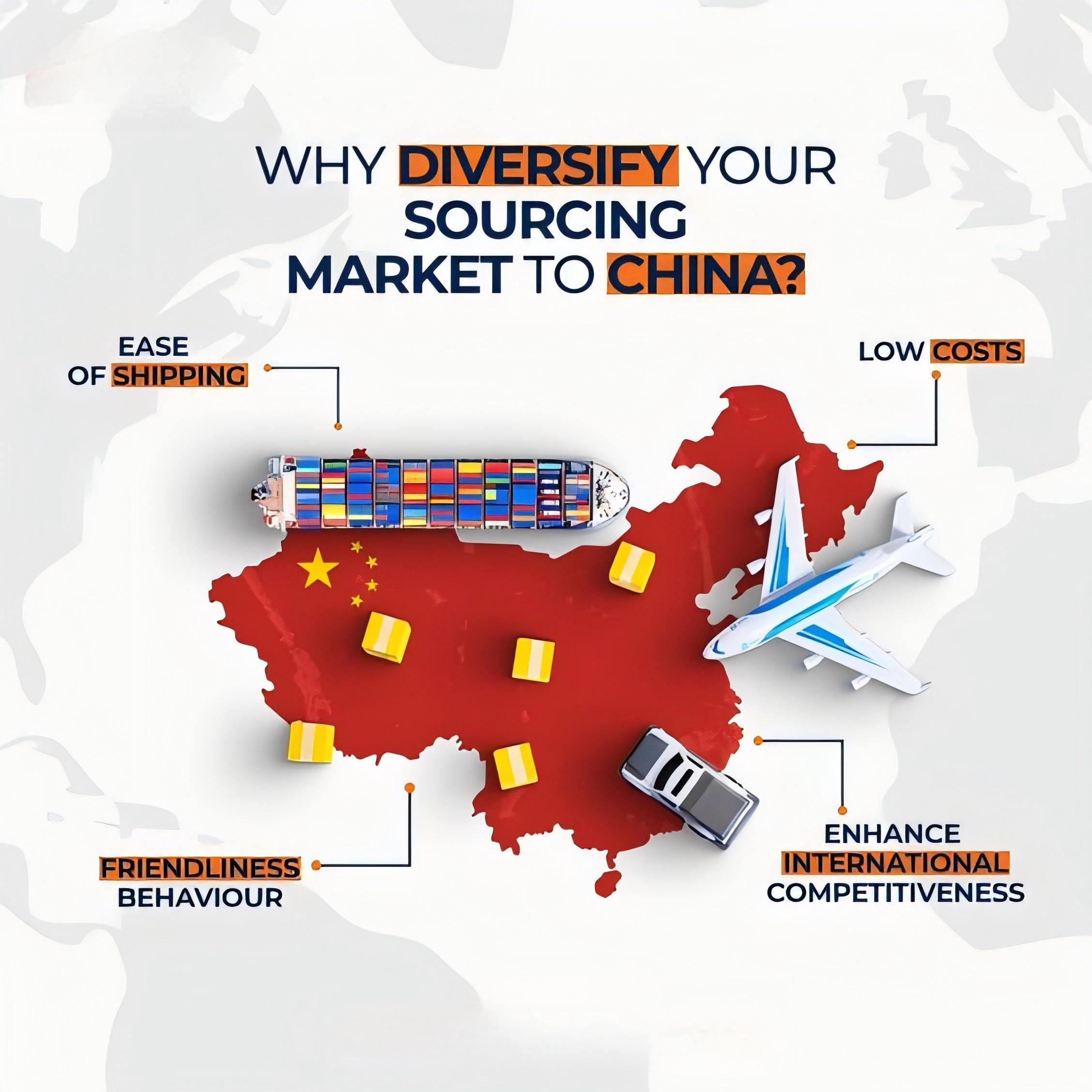
Ready to streamline your logistics?
Streamline your shipping from China 2026 Italy with our expert logistics team. We provide tailored solutions to ensure your cargo arrives efficiently and cost-effectively. Contact us today to receive a customized quote for your 2026 imports. Send Inquiry: https://logisticsgroups.com/
Request Quote