

How to Import Shipping Australia From China Cheap in 2026
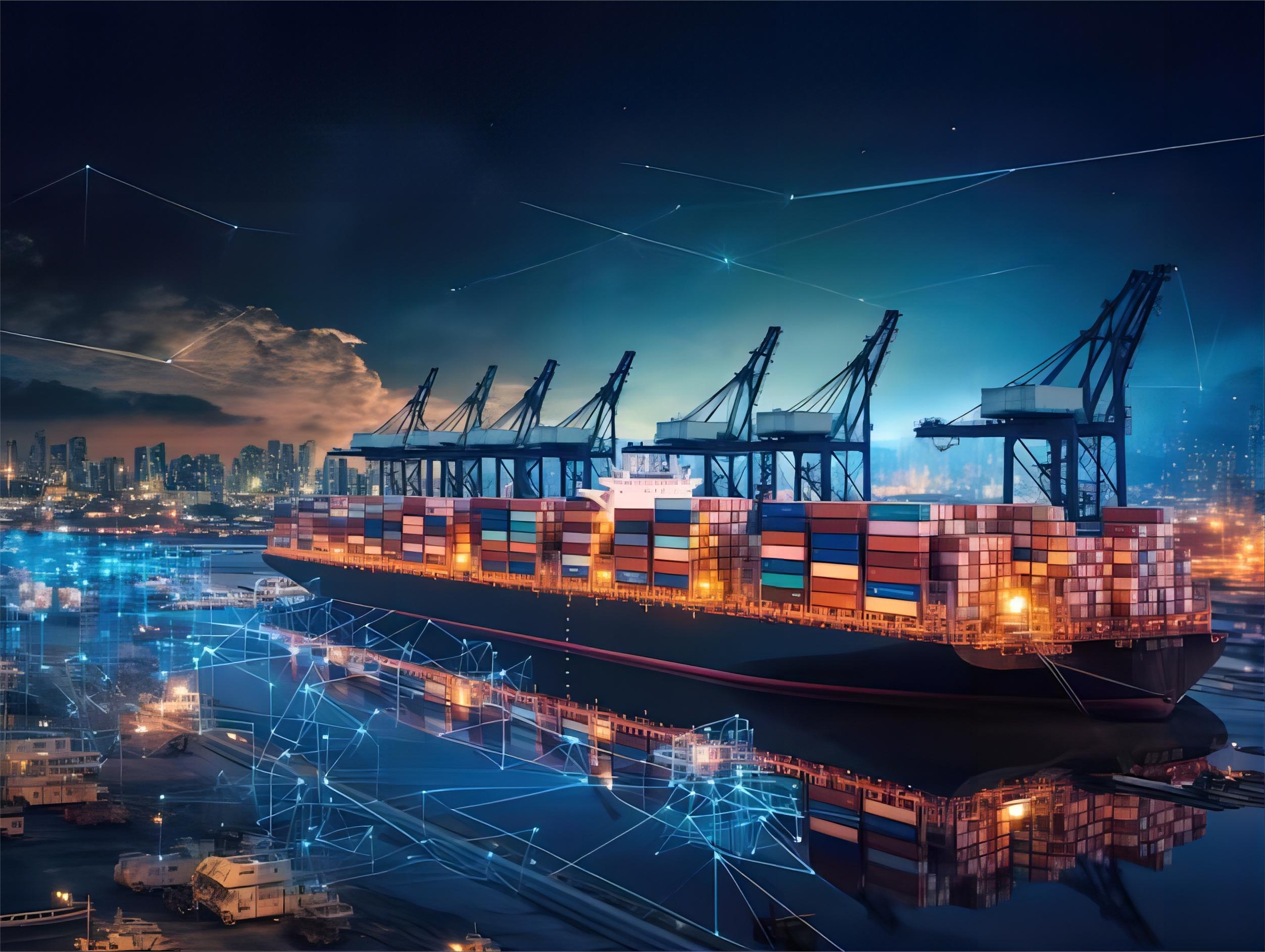
Finding reliable ways to import shipping australia from china cheap is essential for maintaining a competitive edge in today’s global market. By partnering with Logistics Groups, businesses can streamline their supply chain while significantly reducing overhead costs. This guide explores the most effective strategies for 2026 to ensure your cargo arrives safely and affordably.
Why is Sea Freight the Cheapest Way to Import From China?
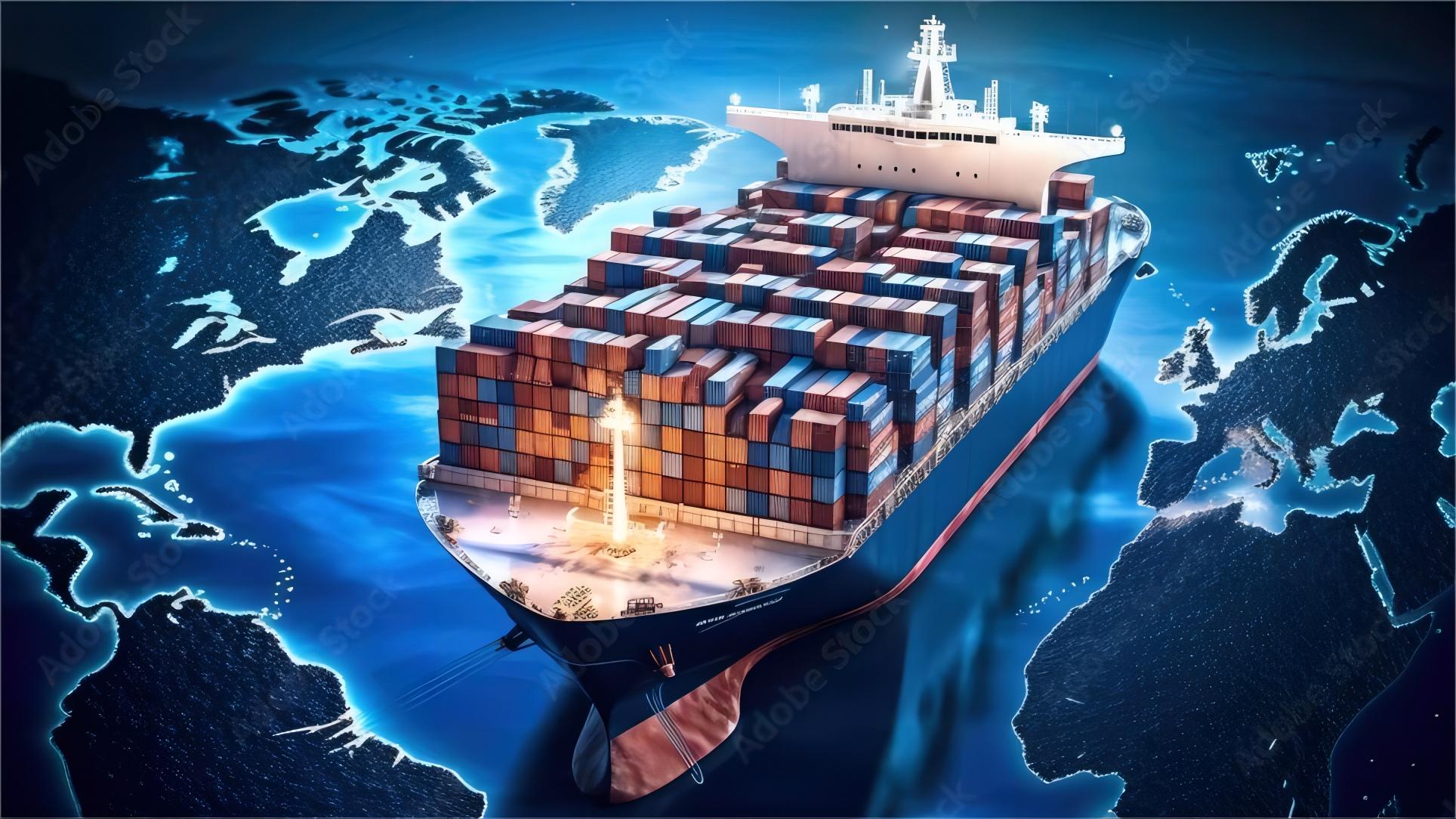
Sea freight remains the most economical choice for businesses looking to transport large volumes of goods across the ocean. Furthermore, the 2026 shipping market has seen a stabilization in rates, making it even more attractive for bulk importers. Consequently, choosing sea freight allows you to maximize your profit margins by lowering the per-unit cost of transportation.
Moreover, the capacity provided by modern container ships ensures that even the largest orders can be accommodated without significant delays. Therefore, companies often prefer this method for non-urgent shipments that require a balance between cost and reliability. Additionally, advanced tracking technologies now allow importers to monitor their cargo in real-time throughout the journey.
Nevertheless, it is important to plan ahead to account for the longer transit times associated with ocean transport. In addition, working with an experienced freight forwarder can help you navigate the complexities of port congestion and scheduling. Indeed, proper planning is the cornerstone of any successful and cheap import strategy.
How Do Shipping Costs Compare Between Methods in 2026?
Understanding the price difference between various transport modes is crucial for budgeting your import operations. For instance, air freight offers unparalleled speed but comes at a much higher price point compared to ocean shipping. Accordingly, businesses must weigh the urgency of their delivery against the available budget for logistics.
In contrast, sea freight provides a cost-effective solution for heavy and bulky items that do not require immediate delivery. Meanwhile, the introduction of hybrid sea-air solutions has provided a middle ground for those seeking a balance of speed and cost. As a result, selecting the right method depends heavily on your specific cargo type and delivery timeline.
| Method | Cost Range (USD) | Transit Time | Best For |
|---|---|---|---|
| Sea Freight (FCL) | $1,200 – $1,800 | 15 – 22 Days | Large volumes |
| Sea Freight (LCL) | $60 – $100 per CBM | 18 – 25 Days | Small shipments |
| Air Freight | $4.50 – $7.50 per kg | 3 – 7 Days | Urgent/High value |
| Express Service | $8.00 – $12.00 per kg | 2 – 4 Days | Samples/Documents |
Can You Save Money Using FCL or LCL Shipping?
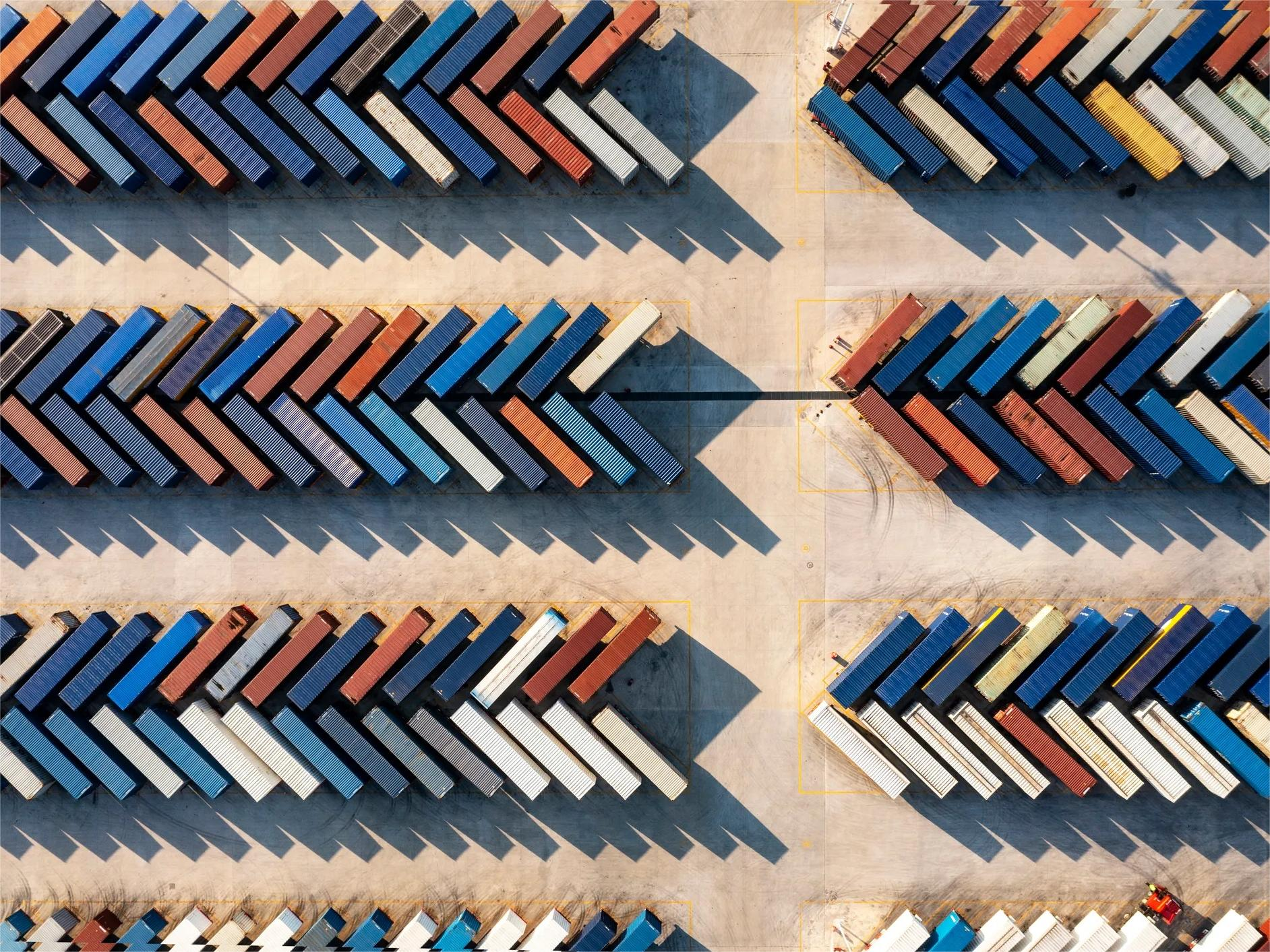
Deciding between Full Container Load (FCL) and Less than Container Load (LCL) is a major factor in reducing costs. Specifically, FCL is typically cheaper per cubic meter if you have enough goods to fill at least 60 percent of a 20ft container. However, LCL is an excellent alternative for smaller businesses that do not have the volume to justify a full container.
Furthermore, LCL allows you to pay only for the space you use, which prevents you from paying for empty air in a container. On the other hand, FCL offers better security and faster handling since the container does not need to be deconsolidated at the destination. Therefore, evaluating your monthly volume is essential for choosing the most cost-effective option.
Additionally, consolidating multiple small orders into a single FCL shipment can lead to significant savings over time. To summarize, both methods have their merits, and the choice should align with your inventory management strategy. Without a doubt, optimizing your container usage is a key step in achieving cheap shipping.
What Customs Documents Are Required for Australia?
Navigating the legal requirements is vital to avoid expensive delays and penalties at the Australian border. For example, utilizing a professional customs brokerage service ensures that all paperwork is filed accurately and on time. Consequently, this prevents your goods from being held in storage, which can quickly add up in costs.
Moreover, Australia has strict biosecurity laws that require specific declarations for wood packaging and organic materials. Therefore, ensuring your supplier provides a valid packing list and commercial invoice is non-negotiable for a smooth clearance process. In addition, being aware of the China-Australia Free Trade Agreement (ChAFTA) can help you reduce or eliminate certain import duties.
| Document Name | Purpose | Required By | Priority |
|---|---|---|---|
| Commercial Invoice | Valuation of goods | Customs | High |
| Packing List | Inventory details | Port Authority | High |
| Bill of Lading | Proof of ownership | Carrier | High |
| Certificate of Origin | Duty reduction | Customs | Medium |
How Does Sea Freight Compare to Other Shipping Options?
While sea freight is the primary method for this route, it is important to analyze all viable alternatives for your supply chain. For instance, direct shipping routes might cost slightly more but they significantly reduce the risk of damage during transshipment. Meanwhile, transshipment through hubs like Singapore can offer lower rates but adds several days to the total transit time.
Furthermore, some importers are now exploring multimodal options to optimize their logistics network. However, for the China to Australia route, rail freight is not a viable option due to geographic constraints. Consequently, the focus remains on optimizing sea and air routes to achieve the best balance of cost and speed.
Note: Freight rates are subject to change based on fuel costs, carrier capacity, and seasonal demand. Contact us for a current quote tailored to your specific shipment.
| Method | Cost Range | Transit Time | Limitations |
|---|---|---|---|
| Direct Sea | Moderate | 12-18 Days | Limited port calls |
| Transshipment Sea | Low | 20-30 Days | Higher delay risk |
| Standard Air | High | 5-8 Days | Weight restrictions |
| Economy Air | Medium-High | 8-12 Days | Lower priority |

Which Option Should You Choose for Your Business?
Choosing the right strategy depends on your business priorities, whether they are budget-driven or time-sensitive. If your primary goal is to minimize costs, sea freight is the clear winner for almost all cargo types. Alternatively, if you are launching a new product and need it in stock immediately, air freight might justify the higher expense.
Moreover, many businesses find success with a door to door service, which simplifies the entire process by handling everything from pickup to final delivery. This approach reduces the administrative burden on your team and often leads to more predictable pricing. Therefore, selecting a comprehensive service package can be a smart way to manage your logistics budget.
Case Studies: Real-World Import Examples
Examining real-world scenarios helps illustrate how different shipping choices impact the final landed cost of your goods. These cases are based on market data from early 2026 and reflect typical challenges faced by Australian importers. By reviewing these examples, you can better prepare for your own shipping journey from China.
Case Study 1: Electronics from Shenzhen to Sydney. A tech retailer imported 15 CBM of consumer electronics using LCL shipping. The total sea transit took 18 days, with a landed cost of 2,400 USD including customs clearance. Key Insight: Consolidating cargo allowed the retailer to maintain low inventory costs without the expense of a full container.
Case Study 2: Furniture from Ningbo to Melbourne. A home decor brand utilized Amazon FBA logistics for a 20GP container of flat-pack furniture. The ocean freight cost was 1,450 USD, and the door-to-door timeline was 28 days. Key Insight: Using a specialized FBA service streamlined the final mile delivery to the warehouse.
Case Study 3: Fashion Apparel from Guangzhou to Brisbane. A boutique imported 500kg of seasonal clothing via air freight to meet a holiday deadline. The shipping cost was 3,250 USD, but the goods arrived in just 5 days. Key Insight: High-margin items can absorb higher shipping costs when speed to market is critical for sales.
Mastering Your Import Strategy for 2026
Successfully managing your logistics requires a deep understanding of the various factors that influence shipping costs. By focusing on sea freight, optimizing container space, and ensuring accurate documentation, you can effectively import shipping australia from china cheap. Furthermore, staying informed about market trends and working with reliable partners will help you navigate any challenges that arise.
To summarize, while the shipping landscape is always evolving, the fundamentals of cost-effective importing remain constant. Prioritize planning, choose the right shipping method for your cargo, and always look for opportunities to consolidate shipments. With these strategies in place, your business will be well-positioned for growth in the coming year.

Get Your Shipping Quote Today
Ready to optimize your supply chain and import shipping australia from china cheap? Our team of experts is here to provide you with a customized quote and professional guidance for your next shipment. Send Inquiry today to start saving on your logistics costs. Visit Logistics Groups to learn more about our comprehensive freight solutions.
Request Quote