

China Export Logistics to New Zealand: 2026 Comprehensive Shipping Guide
Navigating the complexities of china export logistics to New Zealand requires a strategic approach to ensure timely and cost-effective delivery. As trade volumes between these regions continue to grow in 2026, businesses must understand the nuances of international shipping to maintain a competitive edge. Logistics Groups provides the expertise needed to manage these global supply chains efficiently. Consequently, this guide will detail everything you need to know about freight options, costs, and compliance for the New Zealand market.

The Landscape of China Export Logistics to New Zealand in 2026
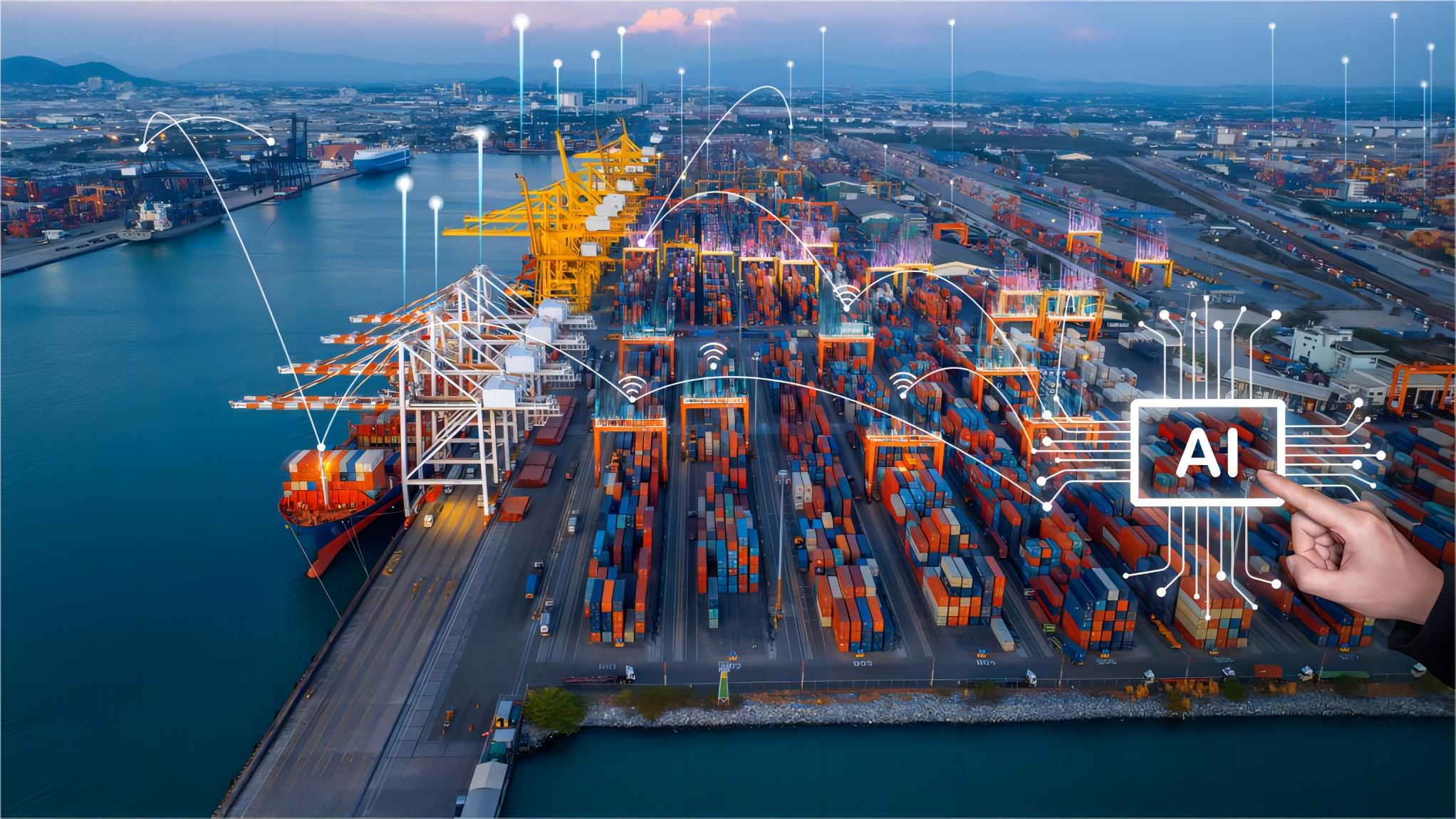
The shipping industry has seen significant stabilization as we move through the first half of 2026. Moreover, new digital tracking technologies have made china export logistics to New Zealand more transparent than ever before.
Importers now benefit from enhanced route optimization that reduces fuel consumption and transit times. Furthermore, the integration of smart port technologies in Auckland and Shanghai has streamlined the loading and unloading processes.
Market data suggests that freight rates have remained steady following the minor disruptions seen in early 2025. Indeed, businesses that plan their shipping schedules at least six weeks in advance are seeing the best cost-to-service ratios.
Economic Trends Affecting the Route
Trade agreements between China and New Zealand continue to foster a robust environment for exporters. Additionally, the demand for sustainable shipping practices is driving carriers to adopt greener fuels, which influences long-term pricing structures.
Consequently, choosing a forwarder who understands these evolving regulations is critical for success. Meanwhile, the rise of e-commerce continues to put pressure on last-mile delivery networks across the North and South Islands.
What Are the Main Shipping Methods for New Zealand?
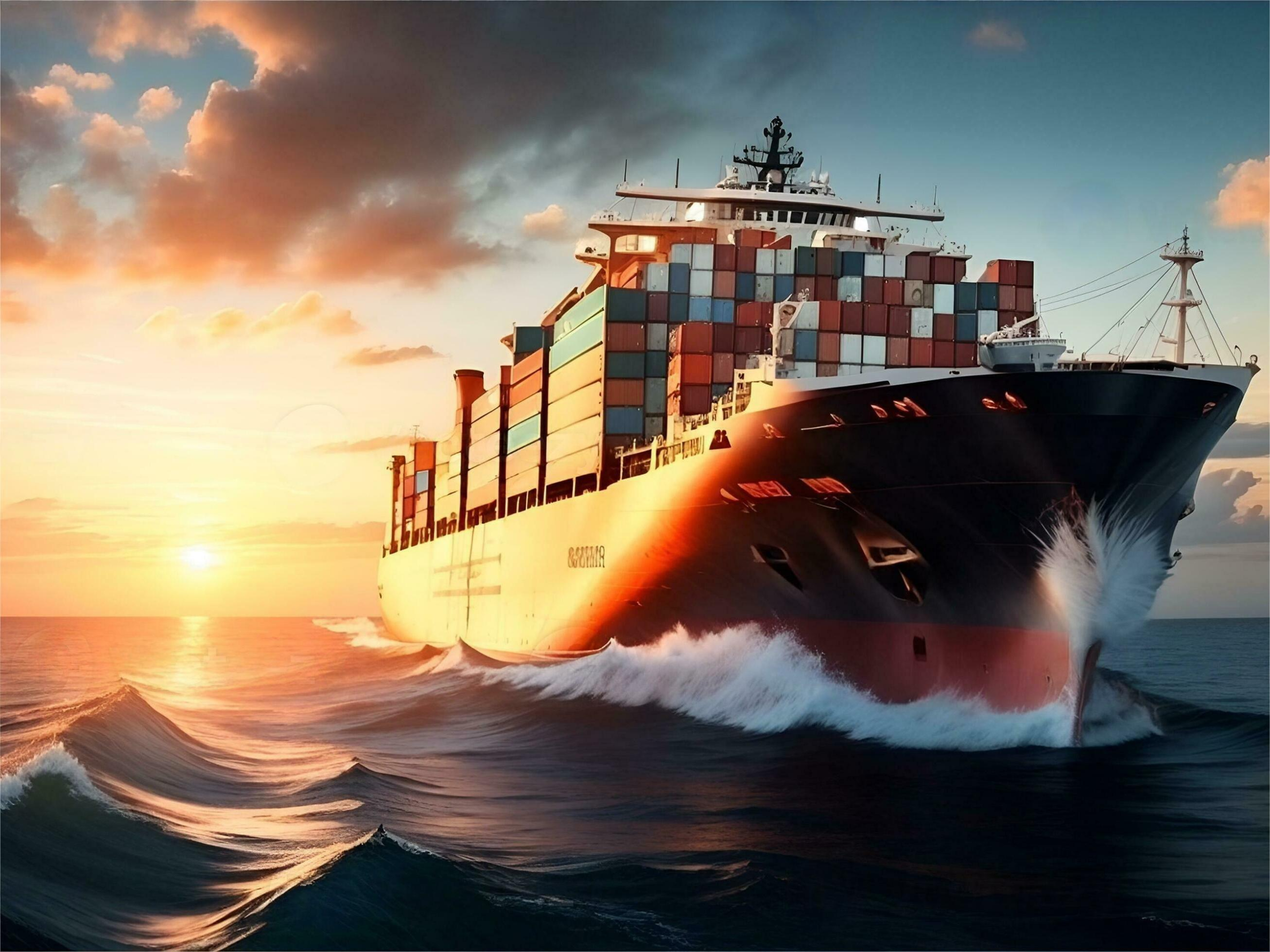
Selecting the right transportation mode is the most crucial decision in your logistics strategy. For instance, sea freight remains the most popular choice for bulk commodities and large machinery due to its cost-efficiency.
On the other hand, urgent shipments often require the speed of aviation to meet tight deadlines. Therefore, understanding the trade-offs between speed, cost, and capacity is essential for any successful import operation.
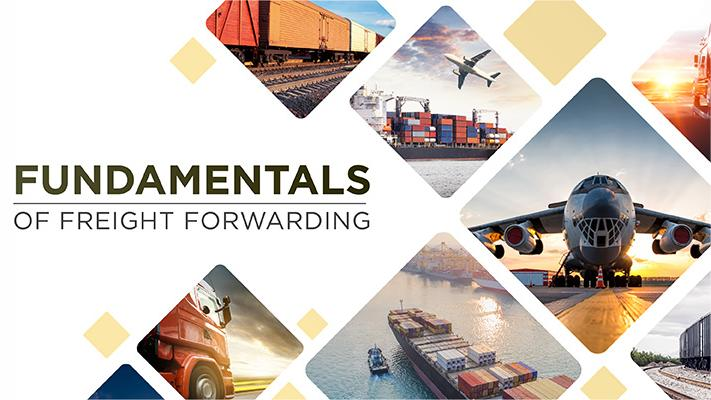
Additionally, it is important to note that rail freight is not a viable option for this specific maritime route. Instead, shippers must choose between various ocean and air configurations based on their specific cargo needs.
How Does Sea Freight Compare to Other Shipping Options?
When analyzing china export logistics to New Zealand, sea freight offers the best balance for high-volume traders. However, it is important to compare this against air and express services to find the optimal fit for your 2026 budget.
Typically, ocean transit takes significantly longer than air travel but costs a fraction of the price. For example, a standard 40HQ container might cost $1,800 to $2,500, whereas the equivalent volume by air would be prohibitively expensive.
Meanwhile, hybrid solutions like sea-air are occasionally used, though they are less common for the New Zealand route compared to European destinations. Below is a detailed comparison of the primary methods available.
| Shipping Method | Cost Range (USD) | Transit Time | Best For |
|---|---|---|---|
| Sea Freight (FCL) | $1,200 – $2,200 | 14 – 22 Days | Bulk goods and full containers |
| Sea Freight (LCL) | $60 – $120 / CBM | 18 – 25 Days | Small shipments under 15 CBM |
| Air Freight | $4.50 – $8.50 / kg | 3 – 7 Days | Urgent or high-value cargo |
| Express Service | $7.00 – $12.00 / kg | 2 – 5 Days | Samples and small parcels |
Why Choose Air Freight for Your New Zealand Shipments?
If speed is your primary concern, air freight provides the fastest connection between Chinese manufacturing hubs and New Zealand airports. Consequently, this method is ideal for electronics, pharmaceuticals, and seasonal fashion items.
Moreover, air transport offers higher security levels and a reduced risk of damage compared to long-haul ocean voyages. Therefore, many high-end brands prefer this method despite the higher financial investment required.
Industry benchmarks indicate that air freight rates from Shanghai to Auckland have stabilized at approximately $5.00 per kilogram for shipments exceeding 500kg. Nevertheless, prices can fluctuate during peak seasons like the pre-Christmas rush.
Navigating Customs Brokerage and Compliance in 2026
Effective customs brokerage is the backbone of any international logistics operation. Indeed, failure to provide accurate documentation can lead to costly delays at the Port of Tauranga or Auckland Airport.
New Zealand has strict biosecurity laws that require specific declarations for wooden packaging and organic materials. Additionally, ensure that your commercial invoices and packing lists are meticulously prepared to avoid inspections.
Specifically, the New Zealand Customs Service uses an automated entry system that rewards compliant importers with faster clearance times. Accordingly, working with an experienced partner ensures that your china export logistics to New Zealand remain seamless.
| Document Type | Required For | Purpose | Standard Format |
|---|---|---|---|
| Commercial Invoice | All Shipments | Tax and duty assessment | Digital/PDF |
| Packing List | All Shipments | Cargo verification | Digital/PDF |
| Bill of Lading | Sea Freight | Title of goods | Original or Telex |
| Certificate of Origin | Preferential Trade | Duty reduction | Chamber of Commerce |
The Advantages of Door to Door Logistics
Many businesses now prefer door to door services to simplify their internal operations. This comprehensive solution covers everything from the factory pickup in Shenzhen to the final delivery in Christchurch.
Furthermore, this approach eliminates the need for the importer to manage multiple vendors, reducing the risk of communication breakdowns. Consequently, it provides a single point of accountability for the entire journey.
By utilizing an express service for smaller shipments, you can achieve even faster turnaround times. Indeed, this end-to-end visibility is highly valued by modern supply chain managers.
Real-World Case Studies for China to New Zealand Routes
To better understand how china export logistics to New Zealand works in practice, let us examine some recent successful shipments from early 2026. These examples illustrate the costs and timelines associated with different cargo types.
Case Study 1: Electronics from Shenzhen to Auckland. This shipment involved 450kg of high-value tablets sent via air freight to meet a product launch date. The total transit time was 4 days, with a landed cost of $3,200 excluding duties.
Case Study 2: Home Furniture from Ningbo to Wellington. This was a 20GP FCL shipment containing luxury sofas. The ocean transit took 19 days, and the total freight cost was $1,450, proving the efficiency of sea transport for heavy items.
Case Study 3: Fashion Apparel from Guangzhou to Christchurch. Using LCL sea freight for 5 CBM of clothing, the importer saved money while maintaining a steady inventory flow. The total door-to-door time was 28 days.
Case Study Detail: 20GP Container Logistics
Box Case Study: Furniture Import. Route: Ningbo, China to Wellington, NZ. Cargo: 25 CBM Furniture. Method: Sea FCL. Ocean Freight: $1,400. Origin Charges: $250. Destination Charges: $350. Total Transit: 22 Days. Key Insight: Booking 3 weeks early secured a lower rate before the April peak.
Which Option Should You Choose? A Decision Framework
Determining the best path for your china export logistics to New Zealand depends on your specific business priorities. If your primary goal is cost reduction and you have a flexible timeline, sea freight is undoubtedly the best choice.
However, if you are dealing with perishable goods or urgent stock replacements, air freight is the only viable solution. Additionally, consider LCL shipping if your volume is between 1 and 15 CBM to avoid paying for empty container space.
For those managing small e-commerce parcels, an express courier service offers the best balance of speed and tracking. Therefore, evaluate your cargo volume and urgency before committing to a specific carrier or route.
Cost-Saving Strategies for New Zealand Importers
Reducing your shipping expenses requires a proactive approach to china export logistics to New Zealand. One effective strategy is to consolidate multiple small orders into a single LCL shipment to share the fixed costs of documentation.
Moreover, negotiating Incoterms like FOB (Free On Board) allows you to have more control over the freight costs compared to CIF (Cost, Insurance, and Freight). Consequently, you can choose your own forwarder and avoid hidden destination fees.
Finally, always request quotes from multiple providers to ensure you are receiving competitive 2026 market rates. Meanwhile, staying informed about seasonal fluctuations can help you avoid the 15-20% price hikes often seen in late Q3.
Final Thoughts on Shipping to New Zealand
In summary, mastering china export logistics to New Zealand involves choosing the right method, ensuring compliance, and staying ahead of market trends. Whether you opt for the cost-effectiveness of sea freight or the speed of air transport, planning is the key to success.
As we progress through 2026, the logistics landscape continues to offer new opportunities for efficient trade. By following the strategies outlined in this guide, you can streamline your supply chain and focus on growing your business in the New Zealand market.
Note: Freight rates are subject to change based on fuel costs, carrier capacity, and seasonal demand. Contact us for a current quote tailored to your specific shipment.
Need a tailored shipping solution?
Are you ready to optimize your china export logistics to New Zealand for 2026? Contact our expert team today to receive a customized freight quote that fits your budget and timeline. Send Inquiry: