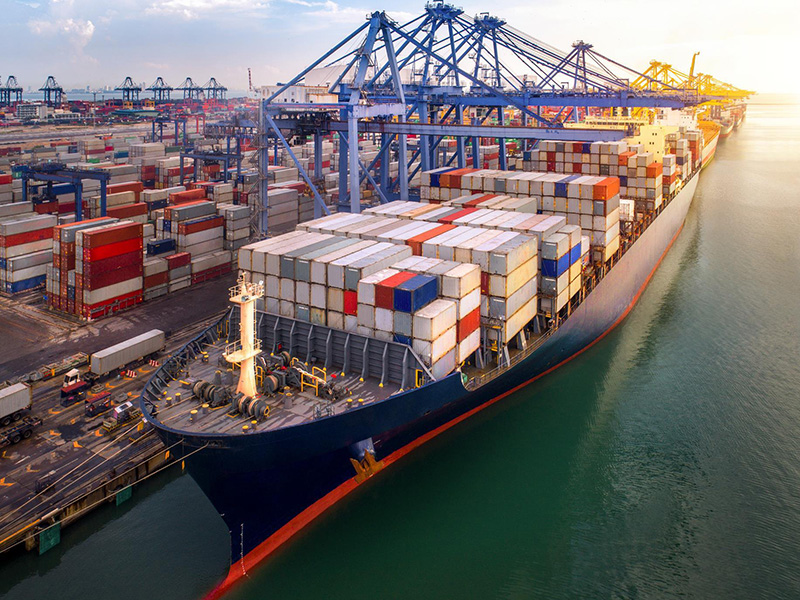
Shipping from China to Romania supports trade into one of Eastern Europe’s fastest-growing manufacturing and logistics markets. Strategically positioned on the Black Sea and bordering multiple EU countries, Romania serves as a key gateway for cargo entering Eastern and Southeastern Europe. Logistics Groups provides professional freight forwarding services from China to Romania, managing supplier pickup, export customs clearance, international transportation, EU-compliant import procedures, and final delivery across Romania’s industrial and commercial regions.
Sea freight from China to Romania is a cost-effective option for heavy, bulky, and non-urgent cargo. Shipments typically arrive at the Port of Constanța, the largest port on the Black Sea, or via major European transshipment hubs before onward delivery. Logistics Groups handles vessel booking, container operations, documentation, customs coordination, and inland transport. Sea freight is widely used for construction materials, machinery, automotive components, and bulk commercial goods.
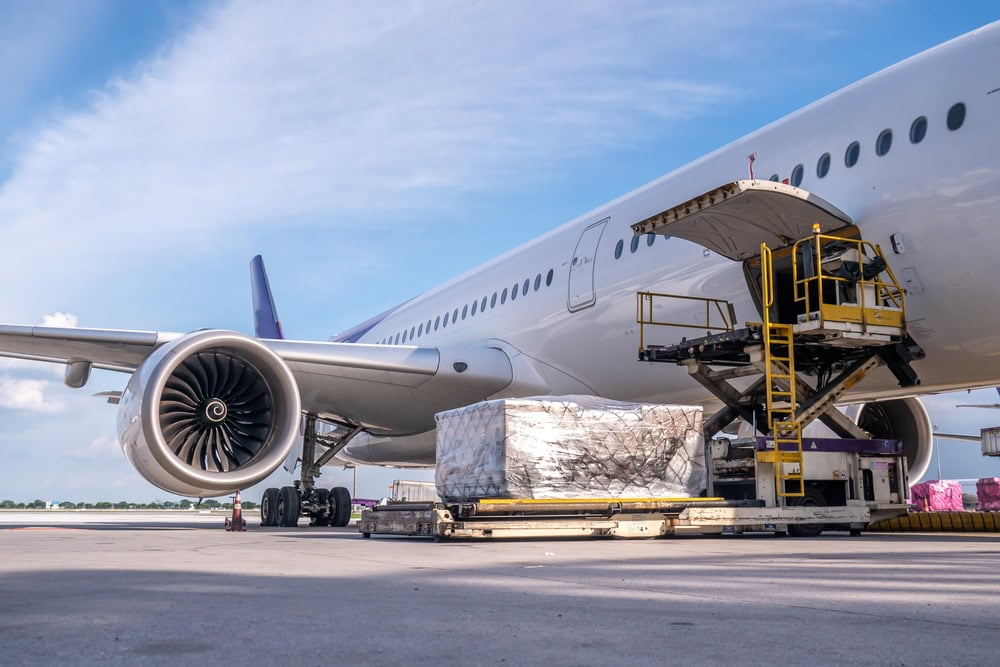
Air freight from China to Romania is suitable for time-sensitive or high-value cargo. Major air gateways include Bucharest Henri Coandă International Airport, offering strong connectivity with European and global hubs. Logistics Groups coordinates the full air freight process, including pickup, export clearance, flight planning, customs documentation, and final delivery. This service is commonly chosen for electronics, medical products, spare parts, and urgent industrial shipments.
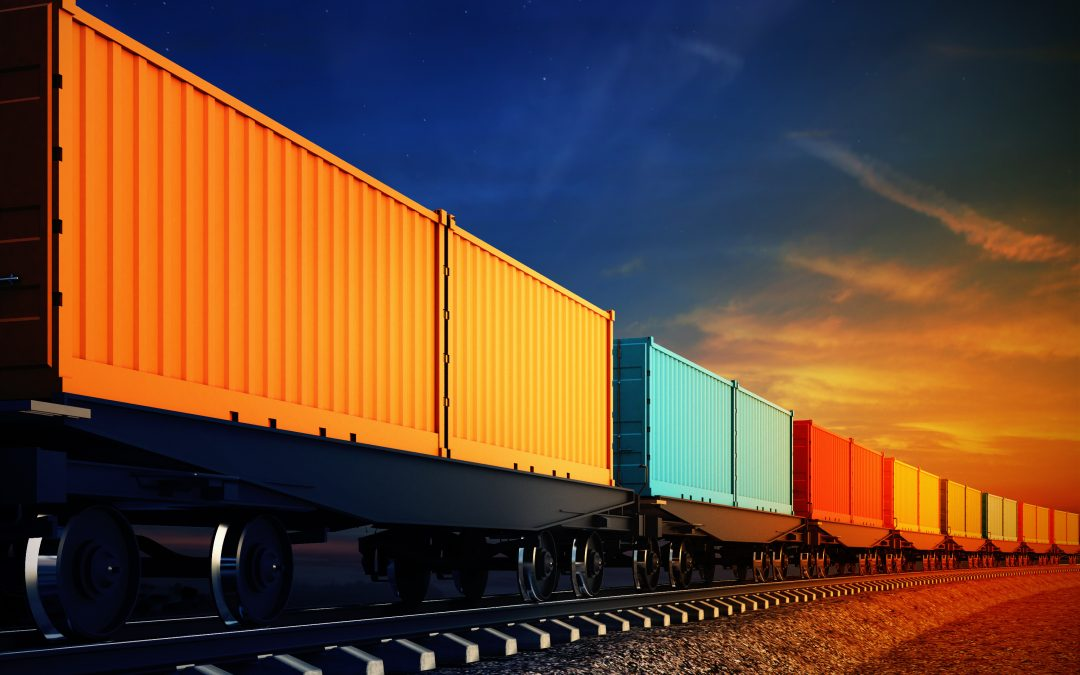
Global China Freight delivers efficient rail freight services from China to Romania via the China–Europe Railway corridors, transiting through hubs such as Poland and Slovakia before reaching Bucharest, Brașov, or Cluj-Napoca. Rail freight offers the perfect middle option: faster than sea freight yet more cost-effective than air transport. It is ideal for electronics, automotive parts, machinery, textiles, and commercial inventory. Our team handles rail documentation, customs processing, terminal operations, and final delivery across Romania.
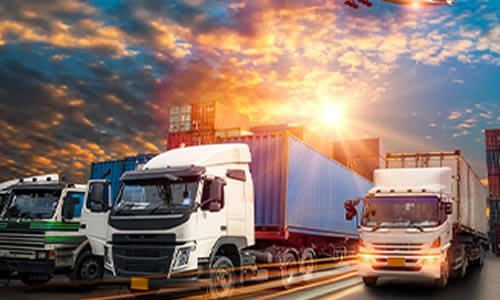
FCL shipping from China to Romania is ideal for full-container cargo requiring dedicated space, enhanced cargo security, and stable transit schedules. Logistics Groups provides optimized FCL routing via Constanța and nearby EU ports, combined with efficient inland trucking and rail connections. Full container shipping is commonly used for industrial equipment, large-volume imports, and project-based cargo.
LCL shipping from China to Romania offers a flexible and cost-efficient solution for smaller shipments. Logistics Groups consolidates cargo at origin in China and deconsolidates at Romanian or nearby EU hubs before final delivery. This option allows importers to ship smaller volumes without committing to a full container, making it suitable for SMEs, test shipments, spare parts, and diversified product lines.
Nationwide supplier pickup across China and reliable final delivery throughout Romania and neighboring EU countries.
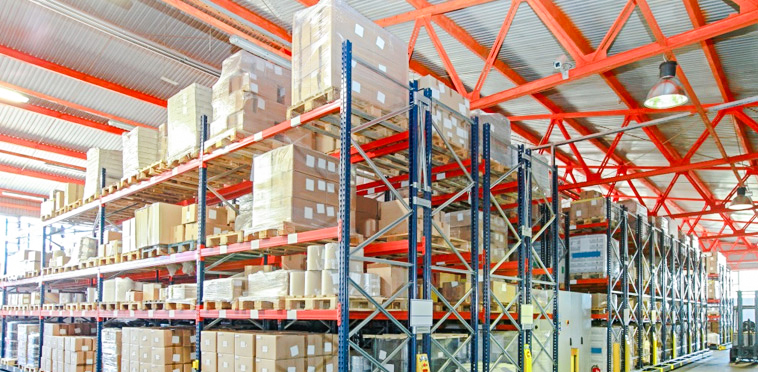
Strategic warehousing solutions for consolidation, temporary storage, and regional distribution.
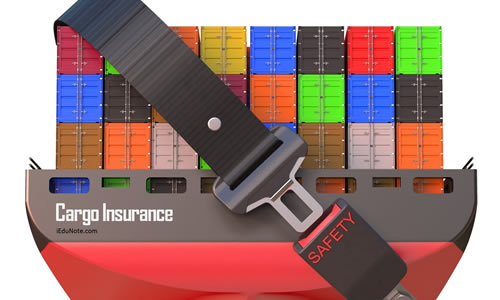
Comprehensive insurance options to protect shipments against transit and handling risks.

Professional export clearance in China and EU-compliant import customs support for Romania-bound cargo.
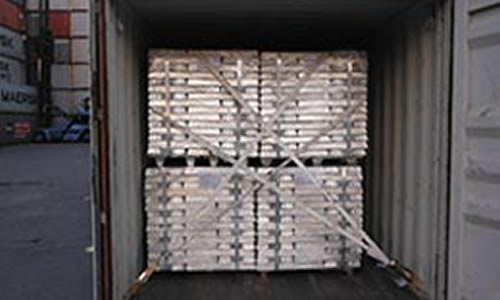
Pre-shipment inspections to ensure cargo quality, packaging integrity, and documentation accuracy.
Romania requires a freight forwarder with strong Black Sea routing capability, EU regulatory expertise, and experience supporting Eastern European supply chains. Logistics Groups combines global logistics experience with deep regional knowledge to deliver reliable and cost-effective shipping solutions.
Why choose Logistics Groups?
Whether you are importing into Romania or using it as a gateway to Eastern Europe, Logistics Groups is your trusted freight forwarder for shipping from China to Romania.
To ensure smooth customs clearance, you need several key documents. Start with the Commercial Invoice, which details the goods and their value. Next, provide a Packing List that describes the packaging and contents. The Bill of Lading or Airway Bill serves as proof of the shipment contract. Additionally, an Import Declaration form must be completed with shipment details. Finally, a Certificate of Origin may be required to confirm the goods' origin.
Romanian customs determine the value of goods based on the CIF (Cost, Insurance, and Freight) value. This calculation includes the cost of the goods, insurance, and freight charges up to the Romanian border. Therefore, accurate reporting of these elements is crucial for proper valuation.
Indeed, Romania offers several exemptions and reductions. For instance, Duty-Free Allowances might apply to certain goods if they meet specific criteria. Moreover, Preferential Rates are available for products from countries with trade agreements. Additionally, VAT Exemptions can apply to imports used for educational, medical, or charitable purposes.
If you find yourself at odds with a customs decision, you should File an Appeal with the Romanian Customs Authority. Ensure you Provide Evidence to support your case. After submission, the authority will Review your appeal and respond within a designated timeframe.
To streamline customs clearance, businesses can take several steps. Firstly, consider Hiring a Customs Broker who is well-versed in Romanian regulations. Additionally, Ensure Accurate Documentation by verifying that all paperwork is complete and correct. Finally, Use E-Services offered by customs for quicker processing.
Non-compliance with customs regulations can have serious consequences. These include Fines and Penalties for incorrect declarations or documentation. Furthermore, goods may be Seized or detained by customs. Additionally, expect Processing Delays, which can extend the time required for clearance and delivery.
Handling hazardous materials involves specific requirements. First, ensure Proper Classification of the materials. Next, provide Special Documentation, including safety data sheets and hazard declarations. Additionally, Compliance with Safety Regulations is essential to meet handling and transportation standards.
In the event of a delay, start by Contacting Customs Authorities to understand the cause. Then, Check Documentation to ensure all forms and details are correct. Finally, Resolve Issues promptly by addressing any additional requirements or discrepancies.
E-commerce shipments follow specific customs procedures. Begin by Declaring Value accurately for the goods. Include a Detailed Invoice with the shipment. Additionally, Apply VAT where applicable to comply with tax regulations.
Free trade agreements can significantly influence customs procedures. They often Reduce Duties on specific goods, lowering or eliminating tariffs. Additionally, they Simplify Procedures, streamlining customs processes for participating countries. Moreover, such agreements can Offer Preferential Rates, providing favorable conditions for imports from member countries.
Logistics Groups handled all documentation, customs procedures, terminal operations, and last-mile delivery seamlessly. Their one-stop logistics service saved us a lot of time and effort.
We have worked with Logistics Groups on multiple shipments, and each one was handled with consistency and care. They are a reliable partner for China–Europe transportation.
Rail freight with Logistics Groups proved to be much faster than sea freight while remaining far more cost-effective than air transport. A very efficient solution for our regular shipments.