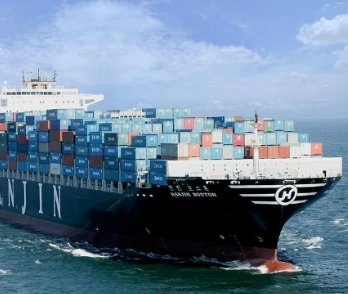
Shipping from China to South Korea is efficient and reliable with Logistics Groups. South Korea relies on major ports such as Busan Port and Incheon Port for sea freight, along with Incheon International Airport and Gimhae International Airport for air cargo. Businesses importing electronics, automotive parts, machinery, textiles, and general commercial goods require logistics solutions that ensure timely delivery, smooth customs clearance, and cost-effective transport. Logistics Groups provides tailored services to ensure your cargo reaches South Korea safely and on schedule.
Sea freight is the most economical solution for transporting large shipments from China to South Korea. Full Container Load (FCL) is ideal for bulk cargo, offering dedicated container space and enhanced security. Less than Container Load (LCL) is suitable for smaller shipments, consolidating multiple consignments to reduce costs. Typical transit time from major Chinese ports such as Shanghai, Ningbo, or Shenzhen to Busan Port or Incheon Port ranges from 4 to 8 days. Logistics Groups ensures smooth customs clearance at Korean ports and efficient inland transport to Seoul, Busan, Daegu, and other major cities.
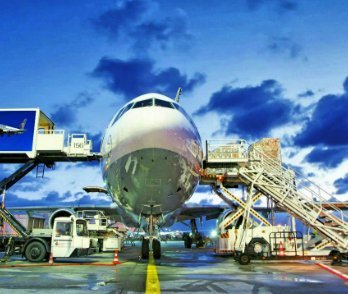
Air freight provides the fastest solution for urgent or high-value shipments. Transit from China to South Korea generally takes 1 to 3 days. Air shipments are ideal for electronics, pharmaceuticals, fashion items, and perishable goods, benefiting from faster customs clearance and minimal handling risk. Logistics Groups provides airport-to-door service to guarantee your cargo reaches its destination efficiently and safely.

Door-to-door shipping delivers cargo directly from your supplier in China to any address in South Korea. This service includes pickup, export customs clearance, transport by sea or air, import customs clearance, and final delivery. It is particularly convenient for businesses without local logistics partners and provides end-to-end tracking so you always know the status of your shipment. Logistics Groups ensures secure, timely, and hassle-free delivery.
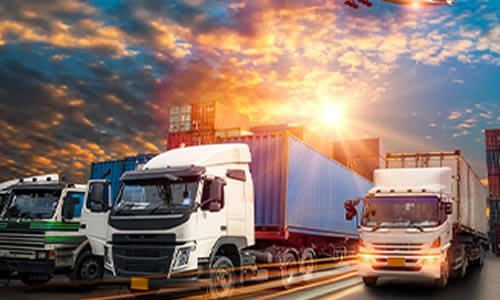
Full Container Load (FCL) shipping is recommended for large-scale shipments such as electronics, machinery, automotive parts, and commercial goods. Available container sizes include 20ft, 40ft, and 40ft HQ. FCL provides dedicated space for cargo, reducing risk of damage and accelerating terminal handling. Containers typically arrive at Busan Port or Incheon Port, followed by efficient inland transport to Seoul, Busan, Daegu, and other major industrial hubs.
Less than Container Load (LCL) is ideal for small to medium shipments. Multiple shipments are consolidated into one container, offering flexibility and cost savings. Transit time is generally 6 to 10 days due to consolidation and port handling. Logistics Groups manages all documentation, cargo consolidation, and inland delivery to South Korea to ensure smooth and reliable transport.
Full pickup from your supplier in China and final delivery to any address in South Korea.
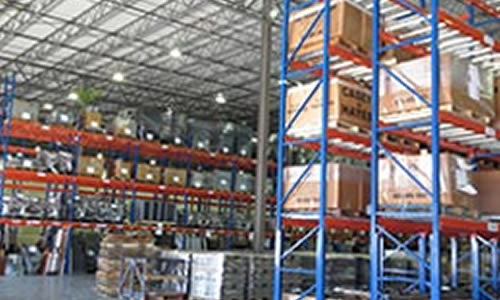
Short-term and long-term storage solutions in China and South Korea for secure and flexible handling of goods.
Comprehensive coverage protects shipments against loss or damage during transit.

Expert handling of import clearance at Korean ports and airports, ensuring compliance with local regulations.
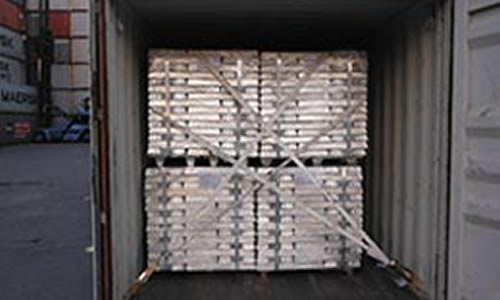
Pre-shipment inspections verify quantity, quality, and packaging to minimize risks during transport.
With years of experience in international shipping, Logistics Groups is your trusted partner for delivering goods from China to South Korea. Our services combine:
Choose Logistics Groups to simplify your imports from China to South Korea and ensure your business thrives in this advanced East Asian market.
Several factors affect shipping time, including the chosen transport mode (air, sea, or land), the distance between departure and arrival points, and customs processing times. Air freight is the fastest option, typically taking 1 to 3 days, while sea freight is slower, usually taking between 7 to 14 days. Customs clearance and potential delays can also impact the overall shipping time.
You can track your shipment using tracking numbers provided by your freight forwarder or carrier. Most companies offer online tracking systems where you can enter your tracking number to view real-time updates on your shipment’s status and location. Some providers also offer mobile apps for easier access to tracking information.
If your shipment is delayed, first check the tracking information for updates. Contact your freight forwarder or carrier for details on the delay and potential solutions. Review all shipping and customs documents to ensure there are no issues. For urgent situations, consider expedited services or alternative transport options.
Air freight offers several advantages, including faster delivery times, generally shorter transit durations, and more frequent flight schedules. It’s ideal for time-sensitive shipments or high-value goods that need prompt delivery. Additionally, air freight can provide better visibility and tracking capabilities compared to sea freight.
Customs regulations can impact shipping times and costs. Ensure your shipment complies with both Chinese export regulations and South Korean import requirements. Proper documentation, such as invoices and certificates of origin, must be provided. Non-compliance with regulations can lead to delays, fines, or even confiscation of goods.
Cost-effective options include using sea freight for large or bulky shipments and consolidating cargo to reduce shipping costs. For less urgent deliveries, consider standard shipping services rather than express options. Compare rates from different freight forwarders and shipping methods to find the most economical solution.
Use strong, durable packaging materials to protect goods during transit. Ensure items are well-padded, especially if they are fragile. For large or heavy items, use appropriate containers and secure all packages to prevent damage. Label packages clearly with handling instructions to reduce the risk of mishandling.
Research freight forwarders by checking their reputation, customer reviews, and service offerings. Verify their experience with shipments to South Korea and their track record for reliability and safety. Ask for references or case studies and ensure they provide comprehensive services, including customs clearance and tracking.
Consider factors such as the urgency of delivery, cost, and the nature of your cargo. Air freight is best for speed but is more expensive, while sea freight is more economical but slower. Evaluate your budget, timeline, and the sensitivity of the goods to determine the most appropriate method.
Shipping costs are typically based on the weight and size of the shipment. Heavier and larger shipments generally incur higher costs. Freight forwarders often calculate charges using dimensional weight (volume-based weight) or actual weight, whichever is greater. Properly measuring and weighing your cargo can help avoid unexpected expenses.
Logistics Groups delivered an excellent rail freight solution from China to Europe. The entire process—from booking to customs clearance and final delivery—was smooth, well-organized, and transparent. Highly recommended.
Rail freight with Logistics Groups proved to be much faster than sea freight while remaining far more cost-effective than air transport. A very efficient solution for our regular shipments.

Logistics Groups handled all documentation, customs procedures, terminal operations, and last-mile delivery seamlessly. Their one-stop logistics service saved us a lot of time and effort.