Shipping from China to Sudan requires careful planning due to its strategic Red Sea access and large inland market. With Logistics Groups, shippers gain access to reliable shipping solutions connecting China with Port Sudan and Khartoum International Airport, ensuring smooth delivery to Khartoum and other commercial centers. Logistics Groups manages documentation, customs clearance, and inland transport for commercial, industrial, and project cargo.
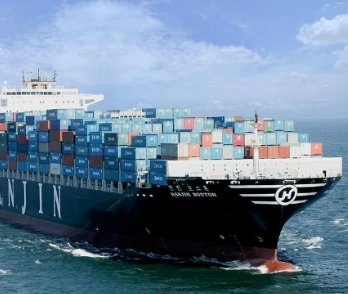
Sea freight is the most economical option for shipping from China to Sudan. Cargo departs from major Chinese ports such as Shanghai, Ningbo, Shenzhen, or Qingdao and arrives at Port Sudan, the country’s primary maritime gateway on the Red Sea. Sea freight is well suited for heavy machinery, construction materials, vehicles, agricultural equipment, and bulk cargo. Logistics Groups coordinates vessel booking, port handling, and inland transportation to ensure reliable delivery to inland destinations.


Door-to-door shipping from China to Sudan provides a fully integrated logistics solution, covering factory pickup in China, export customs clearance, international transport, import clearance, and final delivery to Khartoum or other regions. Logistics Groups ensures shipment visibility, compliance, and coordinated execution throughout the entire shipping process.

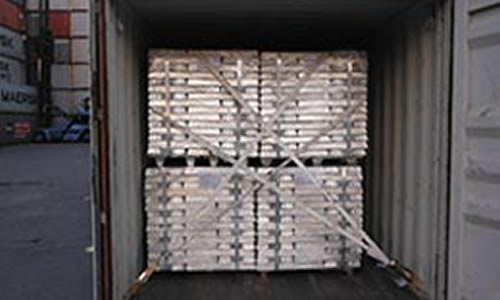
FCL shipping is suitable for large-volume shipments such as industrial equipment, construction materials, vehicles, and bulk commodities. Containers are shipped directly or via regional hubs to Port Sudan, minimizing cargo handling and enhancing security. Logistics Groups manages container loading, ocean transport, and inland logistics to ensure timely and secure delivery.
Factory pickup across China and final delivery to Khartoum and surrounding regions.

emporary storage and consolidation at Chinese ports and Sudanese logistics hubs.

Temporary storage and consolidation at Chinese ports and Sudanese logistics hubs.

Professional import customs clearance support in Sudan.
With proven experience in Red Sea and Northeast African logistics, Logistics Groups is your trusted freight forwarder for shipping from China to Sudan. We provide:
Choose Logistics Groups to move your cargo efficiently and safely across Sudan.
Shipping duration is influenced by various factors such as the method of transport (air, sea), customs clearance procedures, shipping company efficiency, and current global shipping conditions. Typically, air freight is faster, taking about 7-10 days, while sea freight can range from 30-45 days. Delays can also occur due to weather conditions, port congestion, or political situations.
The primary shipping methods from China to Sudan are air freight and sea freight. Air freight is quicker but more expensive, typically taking 7-10 days. Sea freight, which is more economical, usually takes 30-45 days depending on the shipping route and current maritime conditions.
Customs procedures can significantly impact shipping time. Efficient handling and documentation can facilitate quicker clearance, reducing delays. Conversely, inadequate documentation or stringent inspections can lead to prolonged processing times. Both China and Sudan's customs regulations and the shipper's adherence to these rules play crucial roles.
Air shipping is generally more expensive due to its speed, often used for urgent or high-value goods. Costs vary based on weight and volume but can range from $5 to $10 per kilogram. Sea shipping is cheaper, ideal for bulk goods, with costs typically calculated per cubic meter or per container, ranging from $1,500 to $3,000 for a 20-foot container.
Required documentation includes a commercial invoice, packing list, bill of lading for sea freight or airway bill for air freight, certificate of origin, and any applicable import licenses. Proper documentation ensures smooth customs clearance and adherence to both countries' regulations, thus preventing unnecessary delays.
Common sea routes typically pass through major ports such as Shanghai or Shenzhen, through the Indian Ocean, and the Suez Canal, finally reaching Port Sudan. For air freight, major airports in China like Beijing or Shanghai connect through intermediate hubs before landing in Khartoum, Sudan's primary international airport.
Holidays in both China and Sudan can cause delays. Chinese New Year, for instance, can halt manufacturing and shipping activities for up to two weeks. Similarly, Islamic holidays in Sudan can affect customs and port operations. Planning shipments around these periods can help avoid delays.
Risks include potential delays due to customs, weather, and geopolitical issues. Damages or losses during transit, especially for sea freight, and fluctuating shipping costs are also concerns. Choosing reliable shipping partners and comprehensive insurance coverage can mitigate these risks.
Most shipping companies provide tracking services. For air freight, real-time tracking via airway bill numbers is common, offering updates at various transit points. Sea freight tracking is also available through the bill of lading number, providing status updates at each port and estimated arrival times.
To ensure timely delivery, choose reputable shipping companies, prepare all necessary documentation accurately, and consider using freight forwarders for coordination. Monitor holidays and peak seasons, opt for direct routes when possible, and maintain clear communication with all parties involved to handle any issues promptly.
Logistics Groups handled all documentation, customs procedures, terminal operations, and last-mile delivery seamlessly. Their one-stop logistics service saved us a lot of time and effort.
Logistics Groups delivered an excellent rail freight solution from China to Europe. The entire process—from booking to customs clearance and final delivery—was smooth, well-organized, and transparent. Highly recommended.