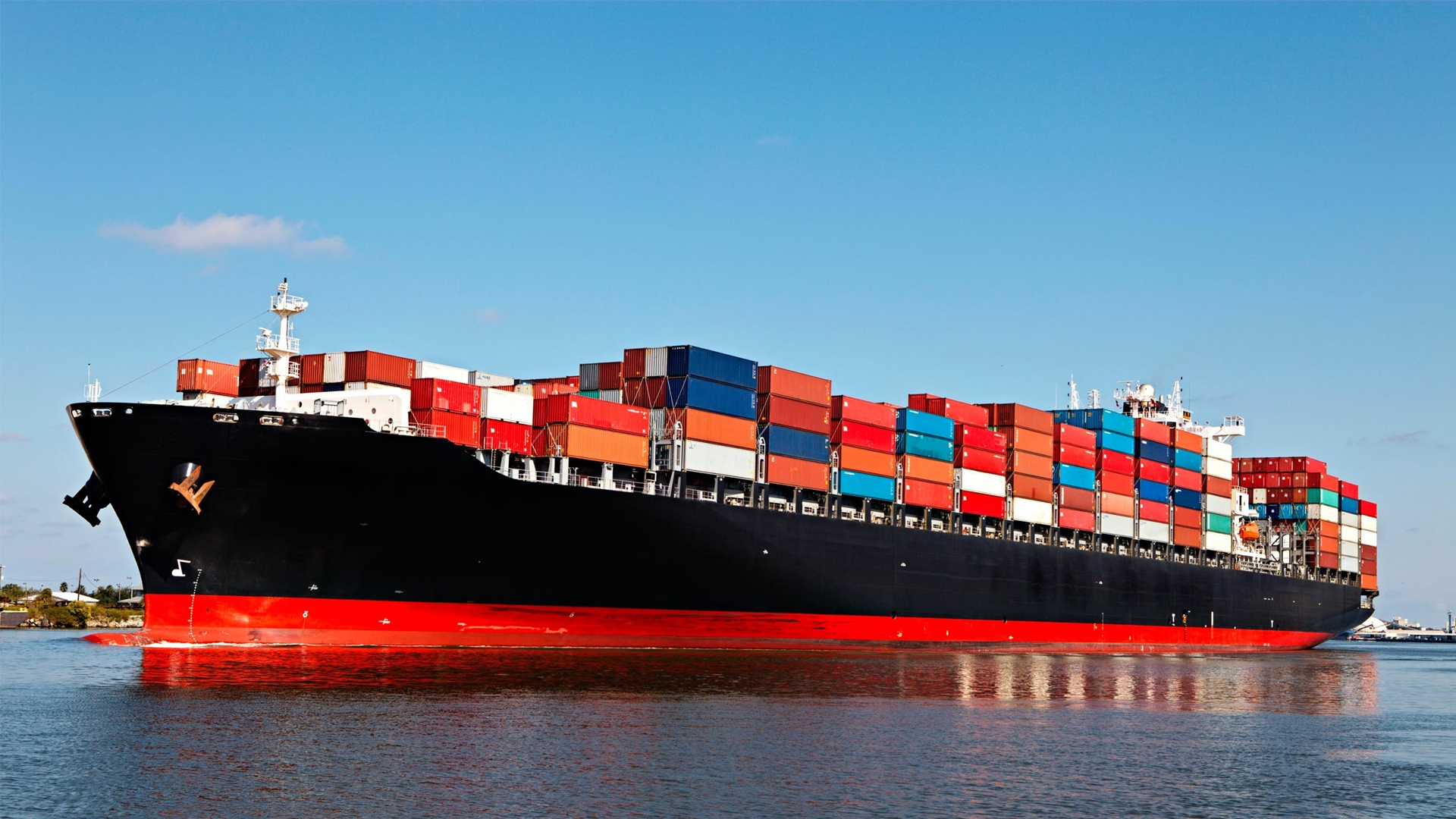
Shipping from China to the Czech Republic is efficient and reliable with Logistics Groups. As a landlocked country in Central Europe, the Czech Republic relies on nearby ports such as Hamburg (Germany), Rotterdam (Netherlands), and Antwerp (Belgium) for sea freight imports, along with its well-developed road and rail networks for inland distribution to Prague, Brno, and Ostrava. Businesses importing electronics, machinery, textiles, or general commercial goods require logistics solutions that ensure timely delivery, smooth customs clearance, and cost-effective transport. Logistics Groups provides tailored services to ensure your cargo reaches the Czech Republic safely and on schedule.
Sea freight is the most economical option for transporting large shipments from China to the Czech Republic. Full Container Load (FCL) is suitable for bulk cargo, offering dedicated container space and enhanced security. Less than Container Load (LCL) is ideal for smaller shipments, consolidating multiple consignments to reduce costs. Typical transit time from major Chinese ports such as Shanghai, Ningbo, or Shenzhen to Hamburg, Rotterdam, or Antwerp ranges from 28 to 40 days. Logistics Groups ensures smooth customs clearance at these ports and efficient inland transport via road or rail to the Czech Republic.
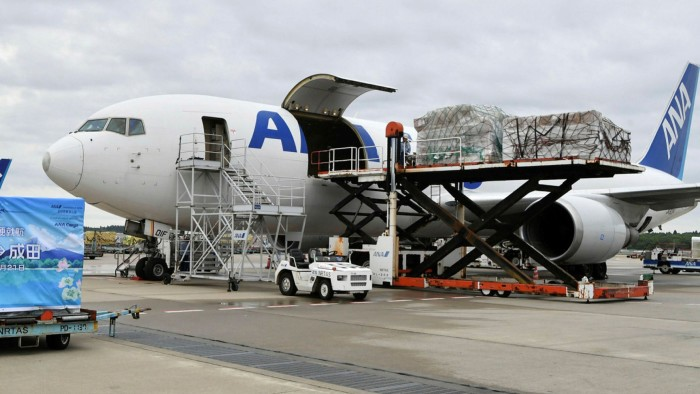
Air freight provides the fastest solution for urgent or high-value shipments. Transit from China to Prague Václav Havel Airport generally takes 3 to 7 days. Air shipments are ideal for electronics, pharmaceuticals, fashion items, and perishable goods, benefiting from faster customs clearance and minimal handling risk. Logistics Groups provides airport-to-door service to guarantee your cargo reaches its destination efficiently and safely.
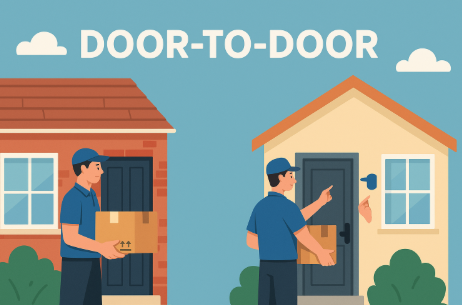
Door-to-door shipping delivers cargo directly from your supplier in China to any address in the Czech Republic. This service includes pickup, export customs clearance, transport by sea or air, import customs clearance, and final delivery. It is especially convenient for businesses without local logistics partners and provides end-to-end tracking so you always know the status of your shipment. Logistics Groups ensures secure, timely, and hassle-free delivery.
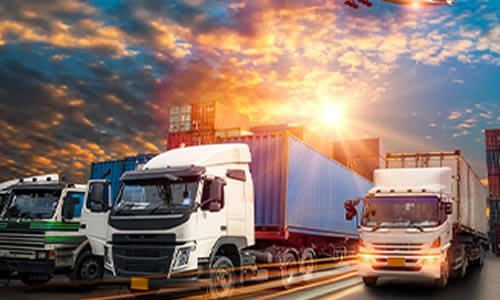
Full Container Load (FCL) shipping is recommended for large-scale shipments such as machinery, electronics, and textiles. Available container sizes include 20ft, 40ft, and 40ft HQ. FCL provides dedicated space for cargo, reducing risk of damage and accelerating terminal handling. Containers typically arrive at Hamburg, Rotterdam, or Antwerp ports, followed by efficient inland transport via road or rail to Prague, Brno, Ostrava, or other Czech cities.
Less than Container Load (LCL) is ideal for small to medium shipments. Multiple shipments are consolidated into one container, offering flexibility and cost savings. Transit time is generally 30 to 45 days due to consolidation and port handling. Logistics Groups manages all documentation, cargo consolidation, and inland delivery to the Czech Republic to ensure smooth and reliable transport.
Full pickup from your supplier in China and final delivery to any address in the Czech Republic.
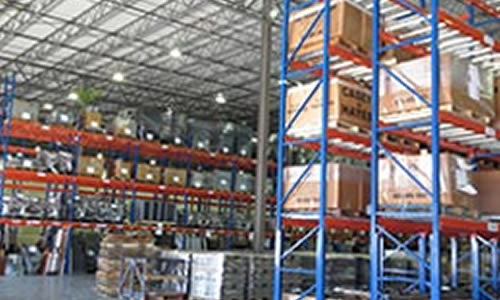
We provide free warehousing services for any of your goods.
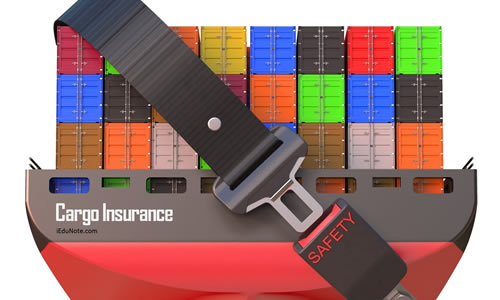
The cargo insurance protects your goods all the way to any Any FBA Warehouse

We handle all paperwork and other details for you.
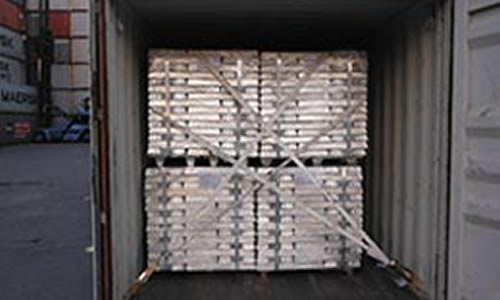
Ensure safe packaging and loading of goods in your suppliers' factory.
With years of experience in international shipping, Logistics Groups is your trusted partner for delivering goods from China to the Czech Republic. Our services combine:
Choose Logistics Groups to simplify your imports from China to the Czech Republic and ensure your business thrives in Central Europe.
Shipping methods from China to the Czech Republic include sea freight, air freight, and rail freight. Sea freight is cost-effective for large volumes but slower, taking 30-40 days. Air freight is faster, typically 7-14 days, but more expensive. Rail freight offers a middle ground in terms of cost and speed, taking around 20-30 days.
You can track your shipment using tracking numbers provided by your freight forwarder or carrier. They often offer online tracking systems where you can monitor the status and location of your shipment in real-time. Additionally, some services provide updates via email or SMS to keep you informed.
Customs duties for importing goods from China depend on the product type, value, and specific tariff codes. Import duties and VAT are applied based on the Harmonized System (HS) code of the product. Checking the Czech Republic's tariff schedule or consulting with a customs broker can provide accurate duty estimates.
Essential documentation includes a commercial invoice, packing list, bill of lading, and certificate of origin. Depending on the goods, additional documents like an import license, certificate of conformity, or phytosanitary certificate may also be required. Ensuring all documents are accurate and complete is crucial for smooth customs clearance.
Yes, certain goods are restricted or prohibited, including hazardous materials, certain chemicals, and items subject to import bans. Additionally, products must comply with local regulations and standards, such as safety certifications or environmental requirements. It's important to check with local authorities or a customs broker for specific restrictions.
Air freight is significantly faster than sea freight, often reducing transit time to 7-14 days compared to 30-40 days. This is ideal for time-sensitive shipments. However, air freight is more expensive than sea freight. It also offers better tracking capabilities and less risk of damage due to shorter transit times.
Rail freight provides a balance between cost and speed, typically taking 20-30 days. It is more economical than air freight but faster than sea freight. Rail is suitable for medium-value goods where cost and speed need to be balanced, and it offers a reliable option with fewer delays compared to sea freight.
To ensure smooth customs clearance, provide accurate and complete documentation, including invoices, packing lists, and certificates. Ensure compliance with local regulations and tariff codes. Work with a customs broker to navigate complex requirements and resolve any issues that may arise during the customs process.
Costs include shipping fees, customs duties, VAT, and any additional charges for handling or special services. Sea freight is generally the least expensive, while air freight and rail freight are costlier. Additional fees might include insurance and warehousing, depending on the nature of the shipment and service level.
To minimize shipping costs, consider bulk shipments to take advantage of lower per-unit rates. Choose cost-effective shipping methods, like sea freight for non-urgent deliveries. Negotiate rates with freight forwarders and explore options for consolidating shipments. Additionally, optimizing packaging and reducing weight can lower overall expenses.
Required documents include a commercial invoice, packing list, bill of lading (sea) or air waybill (air), and a certificate of origin. We handle customs clearance, VAT compliance, and documentation to ensure smooth processing.
Yes, restricted items include hazardous materials, pharmaceuticals, and certain electronics. Contact us for guidance on permits and compliance.
We have worked with Logistics Groups on multiple shipments, and each one was handled with consistency and care. They are a reliable partner for China–Europe transportation.
The team was responsive, professional, and proactive throughout the shipment. Every milestone was clearly communicated, giving us full confidence in the process.
Logistics Groups handled all documentation, customs procedures, terminal operations, and last-mile delivery seamlessly. Their one-stop logistics service saved us a lot of time and effort.