Shipping from China to Denmark

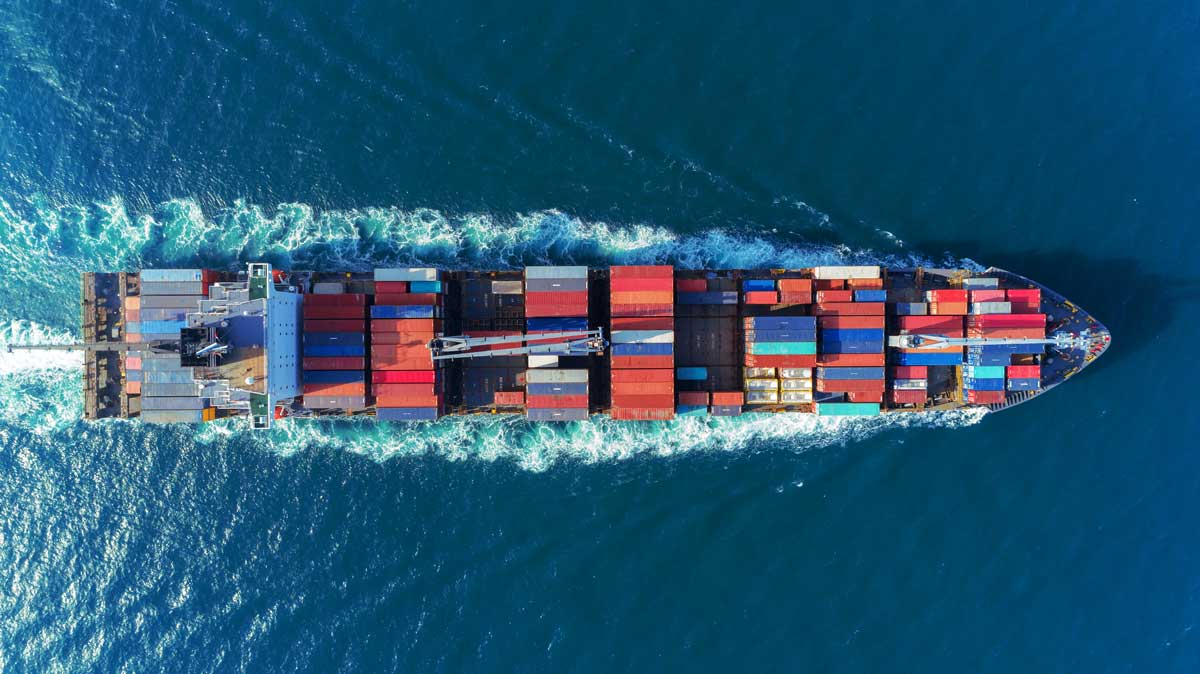
Shipping from China to Denmark is efficient and reliable with Logistics Groups. Denmark, as a key gateway to Scandinavia and Northern Europe, relies on major ports such as Copenhagen and Aarhus for international trade. Businesses importing electronics, machinery, textiles, or general commercial goods need logistics solutions that ensure timely delivery and smooth customs clearance. Logistics Groups provides tailored services to guarantee your cargo reaches Denmark safely and on schedule.

Services

What we do

Services

img

Sea Freight From China To Denmark

Sea freight is the most cost-effective solution for transporting large shipments from China to Denmark. Full Container Load (FCL) is suitable for bulk shipments, offering dedicated container space and enhanced security. Less than Container Load (LCL) is ideal for smaller shipments, consolidating multiple consignments to reduce costs. Typical transit time from major Chinese ports such as Shanghai, Ningbo, or Shenzhen to Copenhagen or Aarhus port ranges from 28 to 40 days. Logistics Groups ensures smooth customs clearance at Danish ports and efficient inland distribution to Copenhagen, Aarhus, or other destinations in Denmark.
img

Air Freight From China To Denmark

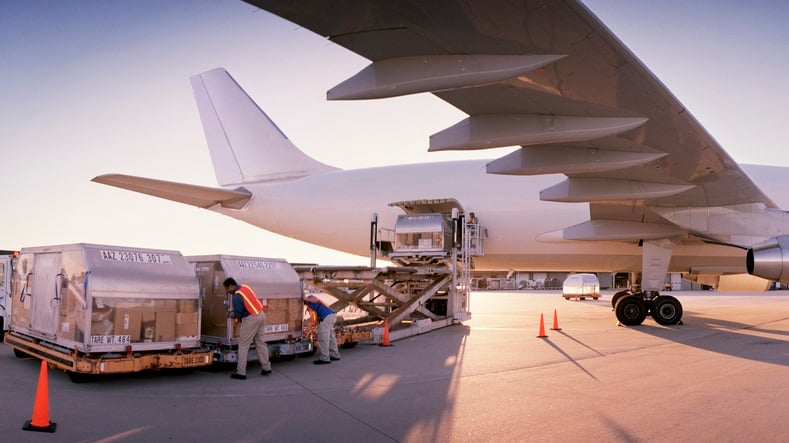
Air freight provides the fastest solution for urgent or high-value shipments. Transit from China to Copenhagen Airport typically takes 3 to 7 days. Air freight is ideal for electronics, pharmaceuticals, fashion items, and perishable goods, benefiting from faster customs clearance and reduced handling risk. Logistics Groups manages airport-to-door delivery to guarantee your cargo reaches its destination efficiently and safely.

img

Rail Freight from China To Denmark

Door-to-door shipping delivers cargo directly from your supplier in China to any address in Denmark. This service includes pickup, export customs clearance, transport by sea or air, import customs clearance, and final delivery. It is particularly convenient for businesses without local logistics partners and provides end-to-end tracking so you always know the status of your shipment. Logistics Groups ensures secure, timely, and hassle-free delivery.
FCL Shipping from China To Denmark

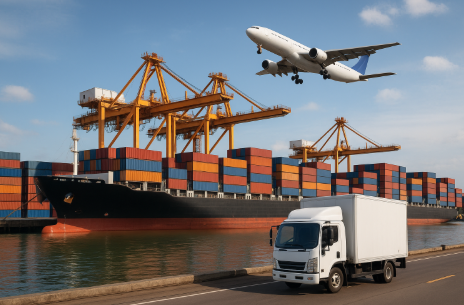
Full Container Load (FCL) shipping is recommended for large-scale shipments such as machinery, electronics, and textiles. Available container sizes include 20ft, 40ft, and 40ft HQ. FCL provides dedicated space for your cargo, reducing damage risk and speeding up terminal handling. Containers typically arrive at Copenhagen or Aarhus ports for customs clearance, followed by efficient road or rail transport to your destination in Denmark.

LCL Shipping from China To Denmark

Less than Container Load (LCL) is ideal for small to medium shipments. Multiple shipments are consolidated into one container, offering flexibility and cost savings. Transit time is generally 30 to 45 days due to consolidation and port handling. Logistics Groups handles all documentation, cargo consolidation, and inland delivery to Denmark to ensure smooth and reliable transport.

Features

More Services Shipping from China To Denmark

img

Pickup and Delivery

Complete pickup from your supplier in China and final delivery to any address in Denmark.
img

Warehousing

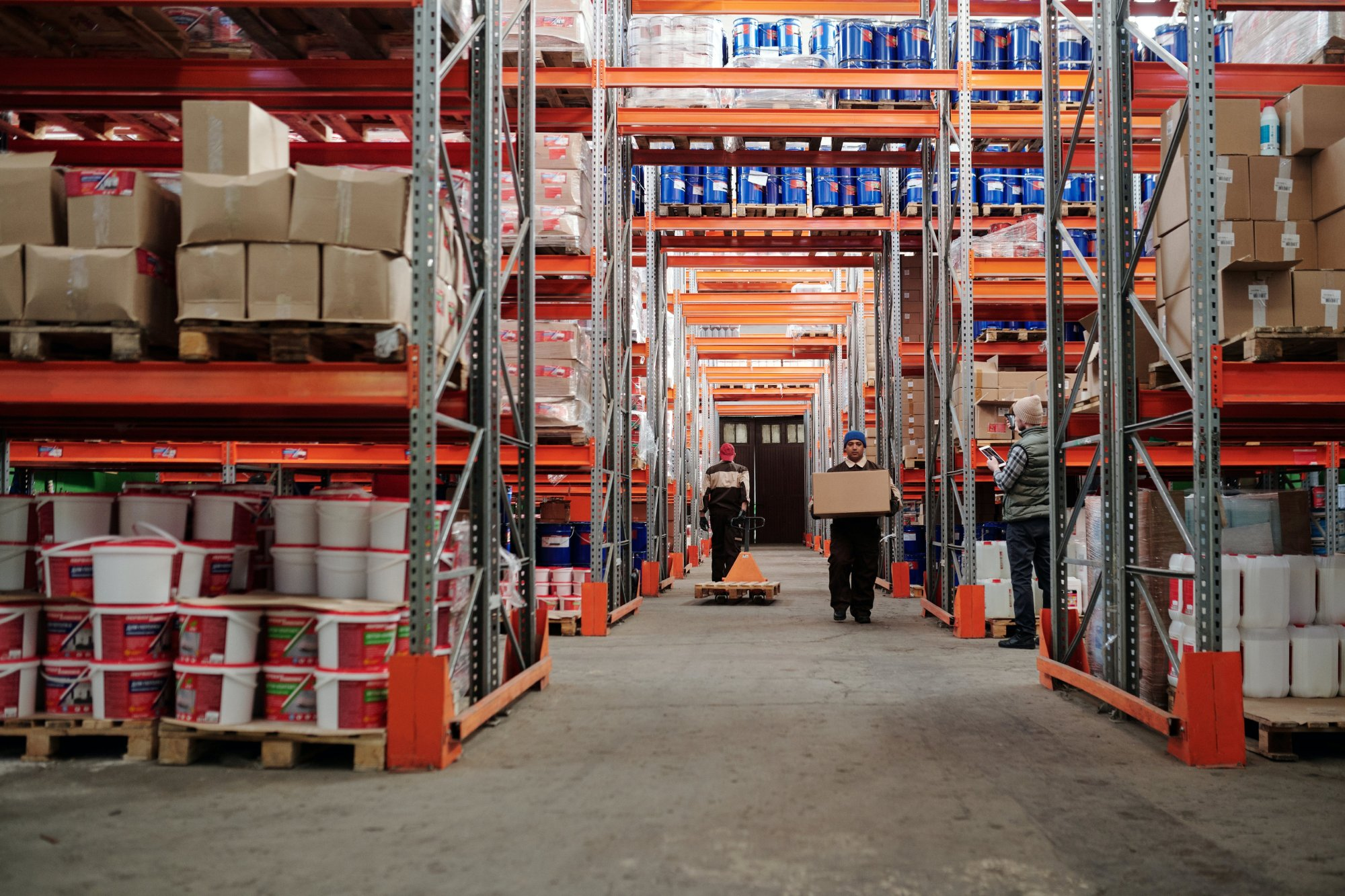
Short-term and long-term storage solutions in China and Denmark for secure and flexible handling of goods.
img

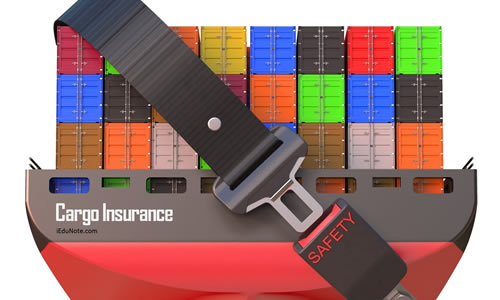
Cargo Insurance

Comprehensive coverage to protect shipments against loss or damage during transit.

img

Custom Clearance

Expert handling of import clearance at Danish ports, ensuring compliance with EU regulations.
img

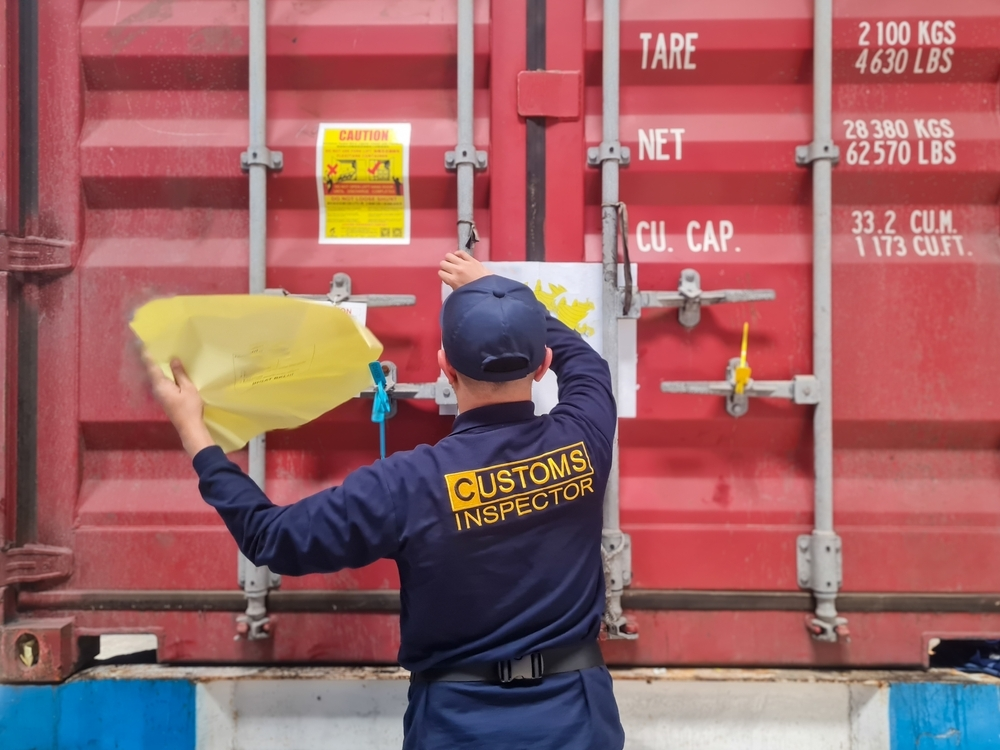
Loading Inspection

Pre-shipment inspections verify quantity, quality, and packaging to minimize risks during transport.

Here We Are

GET ANYTYPE QUOTE FROM HERE.

Your Best Freight Forwarder from China to Denmark

With years of experience in international shipping, Logistics Groups is your trusted partner for delivering goods from China to Denmark. Our services combine:

  • Comprehensive Solutions: Sea, air, FCL, LCL, and door-to-door options.
  • Expertise: Deep knowledge of Copenhagen and Aarhus ports, customs procedures, and EU compliance for Danish shipments.
  • Efficiency: Optimized routes, competitive rates, and timely delivery.
  • Support: End-to-end tracking, responsive customer service, and dedicated account managers.

Choose Logistics Groups to simplify your imports from China to Denmark and ensure your business thrives in this Northern European market.

Best China Top Forwarder-Sea Freight
What customers also want to know

Professional Shipping from China to Denmark: The Ultimate FAQ Guide

Effectively managing cargo damage during transportation from China to Denmark necessitates a structured strategy to address issues promptly. Follow these steps for a comprehensive approach:

Immediate Inspection: Inspect the shipment thoroughly upon arrival for any damage signs. Capture photos and detailed descriptions, noting discrepancies between the shipment and the packing list.

Notify the Carrier: Report the damage to the carrier or China Top Forwarder without delay. Provide clear damage details, including photographs and descriptions, to kickstart the claims process swiftly.

Document Everything: Maintain all relevant documents, such as the bill of lading, packing list, and inspection reports. These are crucial for filing a claim and substantiating the damage.

File a Claim: Adhere to the carrier's procedures for filing a claim. This typically requires a written claim letter detailing the damage, supported by necessary documentation like invoices and repair estimates.

Cooperate with Investigations: Assist fully with any investigations conducted by the carrier or insurance provider to assess the damage's cause and extent.

Review Insurance Coverage: Verify if the damage is covered by your cargo insurance. If so, contact your insurance provider to initiate a claim, providing all required documentation and evidence.

Mitigate Further Damage: Take immediate actions to prevent further damage to the cargo. Arrange for professional handling or storage if necessary until the claim is resolved.

Communication: Keep all involved parties, including the carrier, insurance provider, and recipients in Denmark, informed about the claim status and actions being taken.

Seek Legal Advice (if necessary): For significant damage or liability disputes, consider legal advice to understand your rights and compensation options.

Preventive Measures: Implement strategies to minimize future cargo damage risks. Enhance packaging standards, select reliable carriers, and employ appropriate handling methods.

By adhering to these guidelines, you can efficiently manage cargo damage during transportation from China to Denmark, ensuring a streamlined claims process and minimal business disruption.

Arranging expedited freight service from China to Denmark requires careful planning and coordination to ensure swift and efficient delivery of goods. Here's a comprehensive guide on how to manage this process:

Select a Dependable Freight Forwarder

Opt for a freight forwarder renowned for handling expedited shipments from China to Denmark. Experience in fast shipping and a robust network of carriers is crucial.

Define Delivery Requirements

Communicate your delivery timelines and specifications clearly to the freight forwarder. Emphasize the urgency of the shipment and confirm they can meet your deadlines.

Choose the Right Shipping Method

Depending on your schedule and budget, select the most suitable shipping option:

  • Air Freight: Ideal for urgent deliveries, this method offers the fastest international shipping. Ensure the forwarder provides expedited air freight services with reliable transit times.
  • Express Courier Services: For smaller, urgent shipments, consider using major courier companies like DHL, FedEx, or UPS. These services offer door-to-door delivery with swift transit times.

Prepare Documentation

Compile and organize all essential shipping documents, such as the commercial invoice, packing list, bill of lading or air waybill, and necessary customs declarations. Accuracy and completeness are vital to prevent delays.

Customs Clearance

Collaborate with your freight forwarder to meet all customs clearance requirements. Provide precise information about the shipped goods to facilitate smooth customs processing in Denmark.

Packaging and Labeling

Ensure your goods are properly packaged and labeled to protect them during transit and for easy identification. Adhere to international shipping guidelines to prevent damage.

Track and Monitor

Use tracking and monitoring systems offered by the freight forwarder or shipping carrier to keep an eye on your shipment's progress. This helps anticipate delays and keeps stakeholders informed.

Insurance Coverage

Consider purchasing cargo insurance to safeguard your shipment against loss, damage, or theft during transit. Check the coverage options with your freight forwarder or insurance provider.

Coordinate Pickup and Delivery

Arrange for the pickup of your goods in China and their delivery in Denmark. Maintain clear communication among all parties to avoid logistical issues.

Customer Support

Choose a freight forwarder that provides reliable customer support throughout the shipping process. They should be readily available to address any inquiries or problems that may arise.

By adhering to these steps and partnering with a reputable freight forwarder like Global China Freight, you can efficiently arrange fast freight service from China to Denmark.

Freight services from China to Denmark often provide cargo sorting and packaging as integral parts of their logistics solutions. Here’s a breakdown of how these services are managed:

Cargo Sorting: Logistics providers like Global China Freight arrange cargo sorting based on destination, type, or other criteria. This streamlines the shipping process, ensuring efficient grouping of goods for onward transportation.

Packaging Services: Freight services offer packaging solutions to protect goods during transit. These services include:

  • Customized Packaging: Tailored to the nature of your goods, providing secure and safe transport.
  • Repackaging: Adjusting packaging to meet international shipping standards or consolidate shipments for cost savings.
  • Labeling and Marking: Ensuring packages comply with international shipping regulations and customer requirements.

Customized Solutions: Freight services offer tailored solutions for specific needs, such as handling fragile items, temperature-sensitive goods, or oversized cargo.

Value-added Services: Additional services like quality control inspections, inventory management, and barcode scanning enhance efficiency and reliability.

Documentation and Compliance: Assistance with necessary documentation, including customs declarations, invoices, and packing lists, ensuring compliance with international regulations.

Handling Equipment: Utilization of appropriate equipment and facilities for efficient sorting and packaging, preparing goods for safe transportation.

When selecting a freight service from China to Denmark, inquire about their capabilities in cargo sorting and packaging. This comprehensive approach ensures streamlined shipping processes and the safe, timely arrival of goods.

Dealing with tax issues on goods imported from China to Denmark requires understanding the relevant taxes and duties, complying with Danish customs regulations, and ensuring proper documentation. Here’s a step-by-step guide to handle tax issues effectively:

  1. Understand Import Duties and Taxes: Familiarize yourself with the types of taxes and duties applicable to imports into Denmark. These may include:

    • Customs Duties: Levied based on the value of the imported goods and their classification under the Harmonized System (HS) code.
    • Value Added Tax (VAT): Charged on the value of goods including shipping costs and duties. Denmark's standard VAT rate is 25%.
    • Excise Duties: Applicable to specific goods such as alcohol, tobacco, and certain energy products.
  2. Calculate Estimated Costs: Determine the estimated import duties and taxes applicable to your goods using resources such as Denmark’s customs tariff database or consulting with customs authorities.

  3. Verify Preferential Trade Agreements: Check if your goods qualify for any preferential trade agreements or exemptions from duties under bilateral or multilateral trade agreements between China and Denmark.

  4. Work with a Freight Forwarder: Engage a reputable freight forwarder or customs broker experienced in handling imports to Denmark. They can provide guidance on customs procedures, tariff classifications, and assist with customs clearance.

  5. Prepare Documentation: Ensure all required import documents are accurate and complete:

    • Commercial Invoice: Detailing the goods, their value, and terms of sale.
    • Packing List: Describing the contents of each package.
    • Bill of Lading or Air Waybill: Documenting the transportation of the goods.
    • Certificate of Origin: Certifying the country of origin of the goods to potentially qualify for preferential tariff treatment.
  6. Submit Declarations: Submit the necessary declarations and documentation to Danish customs authorities electronically or through your freight forwarder. Ensure compliance with all customs formalities and regulations.

  7. Pay Duties and Taxes: Pay the applicable customs duties and VAT upon importation. This can typically be done electronically through the customs authority or your freight forwarder.

  8. Monitor Changes in Regulations: Stay informed about any changes in Danish customs regulations, trade agreements, or tariff rates that may affect your imports.

  9. Seek Professional Advice: Consult with customs experts, tax advisors, or legal professionals for specific advice on complex tax issues or regulatory requirements.

  10. Maintain Records: Keep records of all import-related documents, including customs declarations, invoices, and proof of duty/tax payments. These may be required for audits or future reference.

By following these steps and ensuring compliance with Danish customs regulations, you can effectively manage tax issues on goods imported from China to Denmark, minimizing risks and ensuring smooth customs clearance for your shipments.

Ensuring timely shipping services from China to Denmark requires meticulous planning, effective communication, and collaboration with dependable logistics partners. Here are essential steps to guarantee punctual delivery:

Select a Trustworthy Freight Forwarder: Opt for a renowned freight forwarder, like Global China Freight, known for consistent on-time deliveries between China and Denmark. Assess their reliability, transit durations, and customer feedback.

Understand Transit Durations: Identify the estimated transit times for various shipping methods (air freight, sea freight, etc.) provided by the freight forwarder. Choose the option that best matches your scheduling needs.

Plan in Advance: Arrange shipping well ahead of time to manage potential delays or unforeseen issues. Early planning ensures smoother logistics and minimizes the risk of shipment bottlenecks.

Maintain Clear Communication: Engage in transparent and regular communication with your freight forwarder. Share precise details about the shipment, deadlines, and any special requirements.

Opt for Expedited Services: If speed is crucial, select expedited shipping options such as express air freight or courier services, which offer shorter transit times and priority handling.

Track Your Shipments: Utilize tracking and monitoring systems offered by the freight forwarder or carrier. Real-time tracking helps you monitor shipment progress and anticipate any delays.

Prepare Customs Documentation: Ensure all customs paperwork and requirements are completed accurately and in advance. Customs delays can significantly impact delivery schedules.

Proactively Address Potential Issues: Foresee possible challenges like weather disruptions, port congestion, or strikes. Collaborate with your freight forwarder to create contingency plans to mitigate these risks.

Review Service Level Agreements: Examine the service level agreements (SLAs) provided by your freight forwarder. Understand their commitments to delivery timelines and any guarantees.

Monitor Performance and Provide Feedback: Offer feedback based on the timeliness and reliability of their services. Continuously monitor their performance to identify recurring issues and address them promptly.

By implementing these strategies and maintaining proactive shipment management, you can enhance the chances of timely deliveries from China to Denmark, ensuring your goods arrive on schedule and meet your business requirements.

FCL sea freight is ideal for large items, with transit times of 30–40 days. Partner with forwarders offering door-to-door delivery, including assembly and customs clearance.

Use carrier-provided tracking numbers (e.g., DHL, FedEx) or platforms like 17Track.net for real-time updates. Forwarders like Global China Freight also offer integrated tracking portals.

Choosing the right freight route from China to Denmark involves considering several factors to ensure efficient and cost-effective transportation of your goods. Here are steps to help you select a suitable freight route:

  1. Evaluate Transportation Modes: Determine whether air freight, sea freight, or a combination (multimodal transport) best suits your needs:

    • Air Freight: Fastest option suitable for time-sensitive shipments but typically more expensive.
    • Sea Freight: Economical choice for large volumes or non-urgent cargo, albeit with longer transit times.
    • Multimodal Transport: Combines different modes (e.g., sea-air, sea-road) to optimize speed and cost efficiency.
  2. Consider Transit Times: Assess your shipment’s urgency and desired delivery timeline. Compare estimated transit times for different transportation modes and routes to ensure they align with your schedule.

  3. Cost Analysis: Evaluate overall transportation costs, including freight charges, handling fees, insurance, and customs duties. Balance cost considerations with service level requirements to optimize your logistics budget.

  4. Distance and Geography: Factor in geographical proximity, transportation infrastructure, and potential logistical challenges (e.g., weather conditions, port congestion) along different routes.

  5. Service Reliability: Research the reliability and performance history of freight carriers, shipping lines, and logistics providers operating on your chosen route. Look for testimonials, customer reviews, and on-time delivery records.

  6. Customs and Regulatory Considerations: Understand customs regulations, import/export requirements, and any trade agreements affecting your shipment. Choose routes and carriers familiar with these regulations to avoid delays or compliance issues.

  7. Infrastructure and Handling Facilities: Ensure the chosen route has suitable infrastructure and handling facilities for your cargo type (e.g., temperature-controlled storage for perishables, specialized equipment for oversized items).

  8. Environmental Impact: Consider environmental factors such as carbon emissions and sustainability practices associated with different transportation modes. Choose routes that align with your company’s environmental policies and goals.

  9. Flexibility and Scalability: Select a freight route that offers flexibility to accommodate changes in shipment volume, frequency, or destination. Ensure scalability to support future growth and evolving business needs.

  10. Consultation with Logistics Experts: If unsure, consult with experienced logistics professionals or freight forwarders. They can provide insights, recommend optimal routes, and assist in navigating complex logistics challenges.

By carefully evaluating these factors and prioritizing your specific requirements, you can choose a freight route from China to Denmark that optimally meets your transportation needs, ensuring efficient, reliable, and cost-effective delivery of your goods.

Yes, consolidating shipments is possible and can be cost-effective. Freight forwarders often offer consolidation services where multiple small shipments are combined into one larger shipment. This can reduce overall shipping costs and streamline the delivery process, but it may require additional coordination.

Freight costs depend on several factors, including the mode of transport (air or sea), shipment weight and volume, and service level (standard or expedited). Additional costs may include customs duties, insurance, and handling fees. Request quotes from multiple freight forwarders to compare pricing and services.

Don’t Take Our Words for it

Listen to What Our Clients Say about Our Freight Forwarding Service

Reliable and professional logistics partner

Logistics Groups delivered an excellent rail freight solution from China to Europe. The entire process—from booking to customs clearance and final delivery—was smooth, well-organized, and transparent. Highly recommended.

Sakira K. Lilliam
Ceo of Axone

Excellent communication and execution

The team was responsive, professional, and proactive throughout the shipment. Every milestone was clearly communicated, giving us full confidence in the process.

Sofia Harvey
Chairman News grove

Truly end-to-end service

Logistics Groups handled all documentation, customs procedures, terminal operations, and last-mile delivery seamlessly. Their one-stop logistics service saved us a lot of time and effort.


Jon D. William
Founder of Mixbix