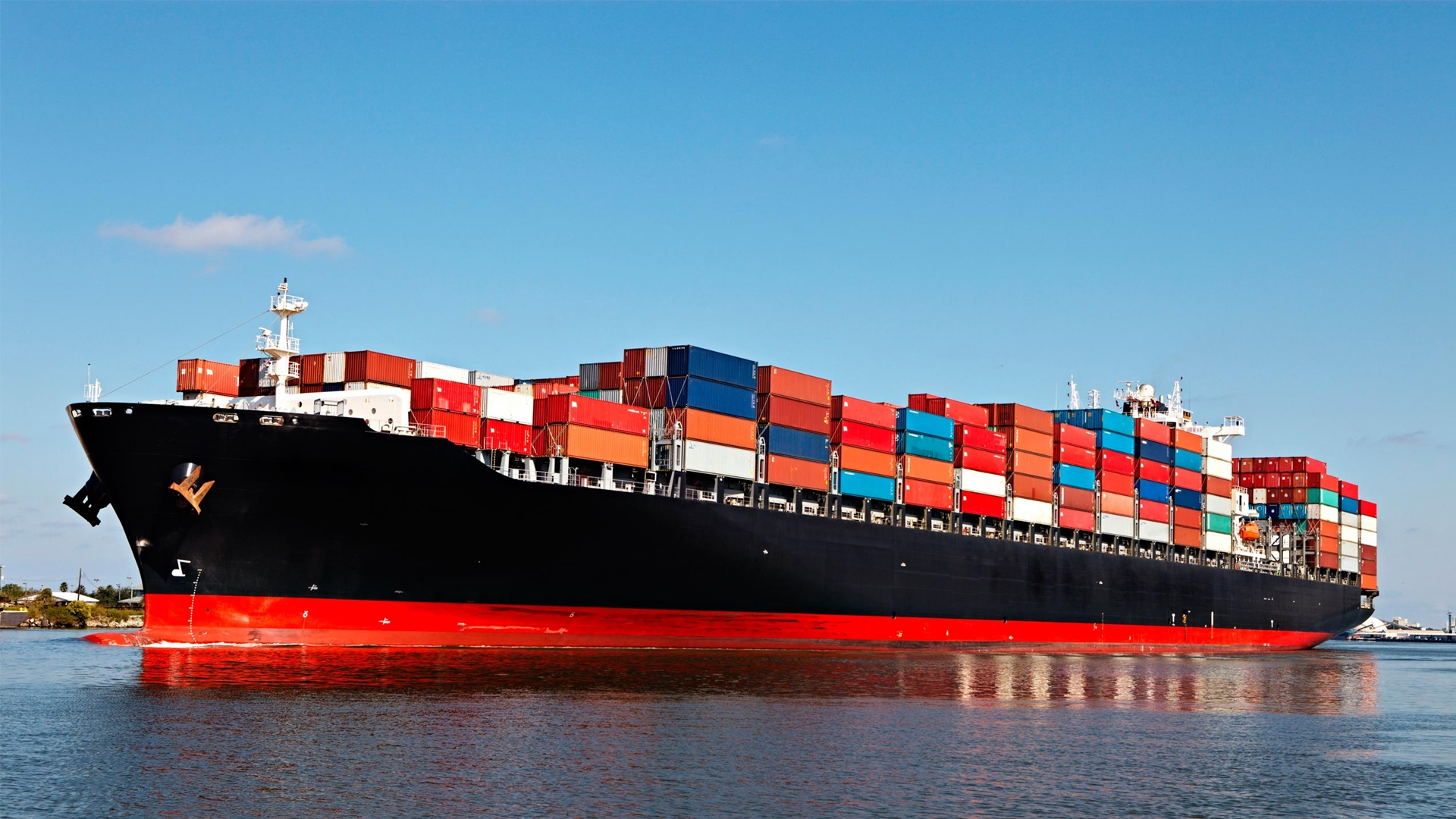
Shipping from China to Japan is efficient and reliable with Logistics Groups. Japan, as a major island nation in East Asia, relies on key ports such as Tokyo, Yokohama, Osaka, and Kobe, along with airports including Narita International Airport, Haneda Airport, and Kansai International Airport for air cargo. Businesses importing electronics, machinery, automotive parts, and general commercial goods require logistics solutions that ensure timely delivery, smooth customs clearance, and cost-effective transport. Logistics Groups provides tailored services to ensure your cargo reaches Japan safely and on schedule.
Sea freight is the most economical solution for transporting large shipments from China to Japan. Full Container Load (FCL) is ideal for bulk cargo, offering dedicated container space and enhanced security. Less than Container Load (LCL) is suitable for smaller shipments, consolidating multiple consignments to reduce costs. Transit time from major Chinese ports such as Shanghai, Ningbo, or Shenzhen to Japanese ports like Tokyo, Yokohama, or Osaka typically ranges from 7 to 15 days. Logistics Groups ensures smooth customs clearance at Japanese ports and efficient inland transport to Tokyo, Osaka, Nagoya, or other cities.
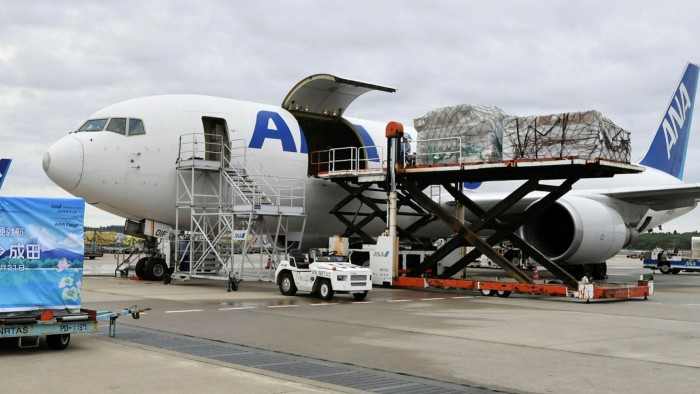
Air freight provides the fastest solution for urgent or high-value shipments. Transit from China to Japan generally takes 2 to 5 days. Air shipments are ideal for electronics, automotive parts, pharmaceuticals, fashion items, and perishable goods, benefiting from faster customs clearance and minimal handling risk. Logistics Groups provides airport-to-door service to guarantee your cargo reaches its destination efficiently and safely.

Door-to-door shipping delivers cargo directly from your supplier in China to any address in Japan. This service includes pickup, export customs clearance, transport by sea or air, import customs clearance, and final delivery. It is particularly convenient for businesses without local logistics partners and provides end-to-end tracking so you always know the status of your shipment. Logistics Groups ensures secure, timely, and hassle-free delivery.

Full Container Load (FCL) shipping is recommended for large-scale shipments such as machinery, electronics, automotive parts, and textiles. Available container sizes include 20ft, 40ft, and 40ft HQ. FCL provides dedicated space for cargo, reducing risk of damage and accelerating terminal handling. Containers typically arrive at Tokyo, Yokohama, or Osaka ports, followed by efficient inland transport to major business hubs across Japan.
Less than Container Load (LCL) is ideal for small to medium shipments. Multiple shipments are consolidated into one container, offering flexibility and cost savings. Transit time is generally 10 to 18 days due to consolidation and port handling. Logistics Groups manages all documentation, cargo consolidation, and inland delivery to Japan to ensure smooth and reliable transport.
Full pickup from your supplier in China and final delivery to any address in Japan.
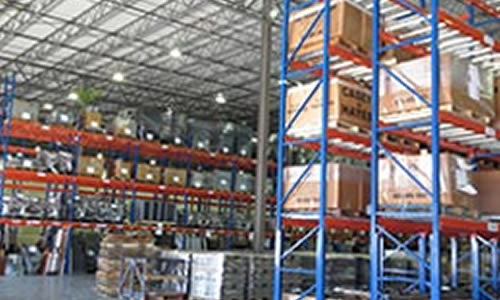
Short-term and long-term storage solutions in China and Japan for secure and flexible handling of goods.
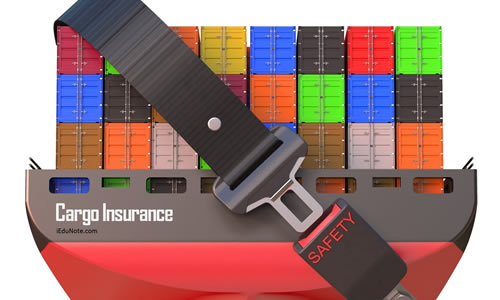
Comprehensive coverage protects shipments against loss or damage during transit.

Expert handling of import clearance at Japanese ports and airports, ensuring compliance with local regulations.
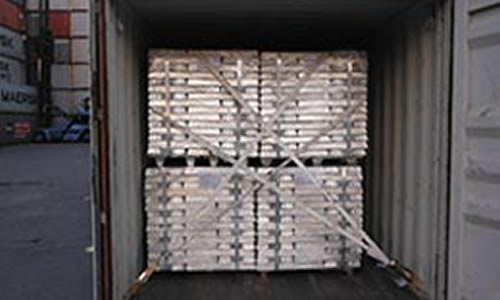
Pre-shipment inspections verify quantity, quality, and packaging to minimize risks during transport.
With years of experience in international shipping, Logistics Groups is your trusted partner for delivering goods from China to Japan. Our services combine:
Choose Logistics Groups to simplify your imports from China to Japan and ensure your business thrives in this high-demand East Asian market.
The most common shipping methods from China to Japan are sea freight and air freight. Sea freight is cost-effective for larger shipments and typically takes 4 to 8 days. Air freight, although more expensive, is faster, with delivery times ranging from 1 to 3 days. Each method has its advantages depending on the urgency and volume of the shipment.
Customs procedures can significantly affect shipping time from China to Japan. Proper documentation and compliance with both countries' regulations are crucial for smooth clearance. Delays in customs inspections, missing paperwork, or non-compliance can extend the shipping time. Working with experienced freight forwarders can help streamline this process.
Several factors influence the cost of shipping from China to Japan, including the shipping method (air or sea), the weight and volume of the shipment, and the distance between ports. Additional costs may include insurance, customs fees, and handling charges. Choosing the right freight forwarder can help optimize costs based on your specific needs.
Yes, shipping from China to Japan can be tracked. Most freight forwarders and carriers provide tracking services that allow you to monitor your shipment's progress in real time. This helps you stay informed about its location and estimated delivery time, enhancing transparency and allowing for prompt action if issues arise.
Air freight offers several advantages over sea freight, including faster delivery times, typically ranging from 1 to 3 days compared to 4 to 8 days by sea. It also reduces the risk of damage and theft due to less handling and transit time. However, air freight is more expensive, so it's ideal for urgent or high-value shipments.
The size and weight of a shipment can impact delivery time. Larger and heavier shipments may require more time for handling and transport, especially by air. Sea freight can accommodate larger volumes but might have longer transit times. For faster delivery, consider using air freight for smaller or urgent shipments.
If your shipment is delayed, first check the tracking information provided by your freight forwarder or carrier. Contact them to understand the reason for the delay and get updated estimates for delivery. Ensuring that all customs documentation and shipping instructions are accurate can also help resolve issues promptly.
To minimize shipping costs, consider consolidating shipments to reduce volume and weight, choose sea freight for non-urgent deliveries, and negotiate rates with your freight forwarder. Additionally, accurate documentation and avoiding last-minute changes can help prevent additional fees and charges.
Customs fees for shipping from China to Japan vary based on the value and nature of the goods. Fees can include import duties, taxes, and handling charges. To get an accurate estimate, consult with your freight forwarder or customs broker, who can provide detailed information based on your specific shipment.
Required documentation for shipping goods from China to Japan includes a commercial invoice, packing list, bill of lading or air waybill, and any necessary certificates of origin or compliance. Ensuring that all documents are complete and accurate helps facilitate smooth customs clearance and avoids delays.
We have worked with Logistics Groups on multiple shipments, and each one was handled with consistency and care. They are a reliable partner for China–Europe transportation.
Logistics Groups delivered an excellent rail freight solution from China to Europe. The entire process—from booking to customs clearance and final delivery—was smooth, well-organized, and transparent. Highly recommended.
The team was responsive, professional, and proactive throughout the shipment. Every milestone was clearly communicated, giving us full confidence in the process.