Shipping from China to Nigeria

Services

What we do

Services

img

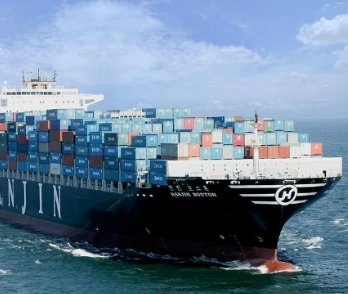
Sea Freight From China To Nigeria

Sea freight from China to Nigeria is the most widely used shipping method due to its cost efficiency and ability to handle large volumes, with most shipments arriving at Apapa Port or Tin Can Island Port in Lagos. Transit times generally range from 35 to 50 days depending on the Chinese port of departure, carrier schedules, and congestion levels at Lagos ports, which are known for high traffic volumes. This option is particularly suitable for heavy cargo, bulk goods, machinery, furniture, building materials, and containerized consumer products, offering both FCL and LCL solutions. Logistics Groups manages ocean freight planning, carrier selection, export documentation, and destination coordination to minimize delays, optimize container utilization, and support smoother customs clearance in Nigeria’s demanding port environment.
img

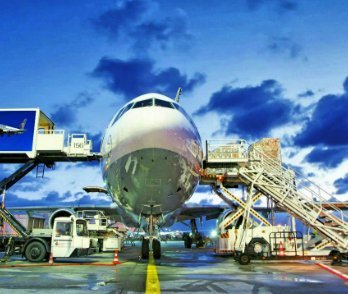
Air Freight From China To Nigeria

Air freight from China to Nigeria is ideal for urgent, high-value, or time-sensitive shipments, with cargo typically arriving at Murtala Muhammed International Airport in Lagos within 5 to 9 days depending on routing and flight availability. This mode is commonly used for electronics, medical equipment, spare parts, fashion items, and critical commercial goods where speed outweighs cost considerations. While air freight rates are higher than sea freight, it significantly reduces transit time and exposure to port congestion, making it a strategic option for businesses operating in fast-moving or high-risk supply chains. Logistics Groups coordinates airline bookings, export handling, and Nigerian import clearance to ensure rapid cargo release and reliable delivery upon arrival.

img

Door to Door Shipping from China to Nigeria

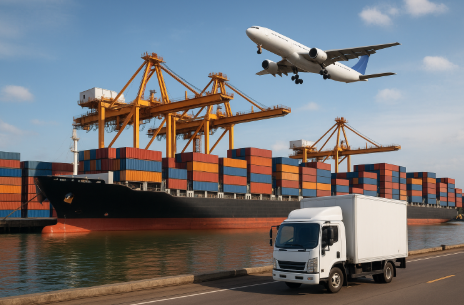
Door to door shipping from China to Nigeria provides a fully managed logistics solution that covers supplier pickup in China, international transport, customs clearance, and final delivery to the consignee’s location in Nigeria. This service is especially valuable given Nigeria’s strict import regulations, documentation requirements, and inspection processes, which can pose challenges for inexperienced importers. Whether moving cargo by sea or air, Logistics Groups handles HS classification, duty calculation, SONCAP-related coordination, and local delivery arrangements, allowing clients to benefit from a predictable landed cost and reduced operational risk. Door to door shipping is an efficient choice for businesses seeking simplicity, compliance, and end-to-end visibility when importing into Nigeria.
FCL Shipping from China To Nigeria

FCL shipping from China to Nigeria is the preferred option for high-volume shipments that require exclusive container use, enhanced cargo security, and faster handling at ports. Full container loads are ideal for importers shipping machinery, retail stock, industrial equipment, or project cargo, as they reduce handling complexity and lower the risk of damage or loss. With regular sailings to Lagos ports, FCL shipments offer more stable transit schedules and improved cost efficiency on a per-unit basis. Logistics Groups provides container planning, professional loading supervision, and documentation accuracy to help FCL cargo clear Nigerian customs with fewer delays.

LCL Shipping from China To Nigeria

LCL shipping from China to Nigeria is a cost-effective solution for small and medium-sized shipments that do not require a full container, allowing importers to share container space and reduce upfront freight costs. This option is well suited for SMEs, mixed cargo shipments, or trial orders, though it typically involves longer handling times due to consolidation and deconsolidation at both origin and destination. LCL cargo usually arrives through Lagos ports, where efficient coordination is critical to avoid demurrage and storage charges. Logistics Groups manages consolidation, documentation, and destination handling to ensure LCL shipments move smoothly through Nigeria’s complex import environment.

Features

More Services Shipping from China To Nigeria

img

Pickup and Delivery

We arrange cargo pickup across China and final delivery throughout Nigeria.
img

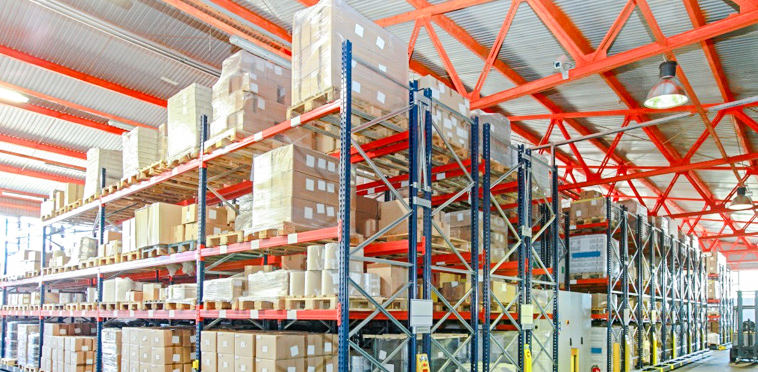
Warehousing

Flexible warehousing solutions are available for storage, consolidation, and distribution.
img

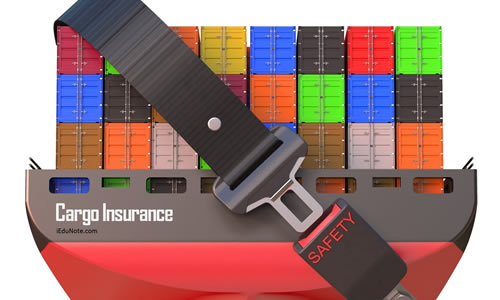
Cargo Insurance

Insurance coverage protects shipments against transit risks and unexpected loss.

img

Custom Clearance

Professional customs clearance support ensures compliance with Nigerian import regulations.
img

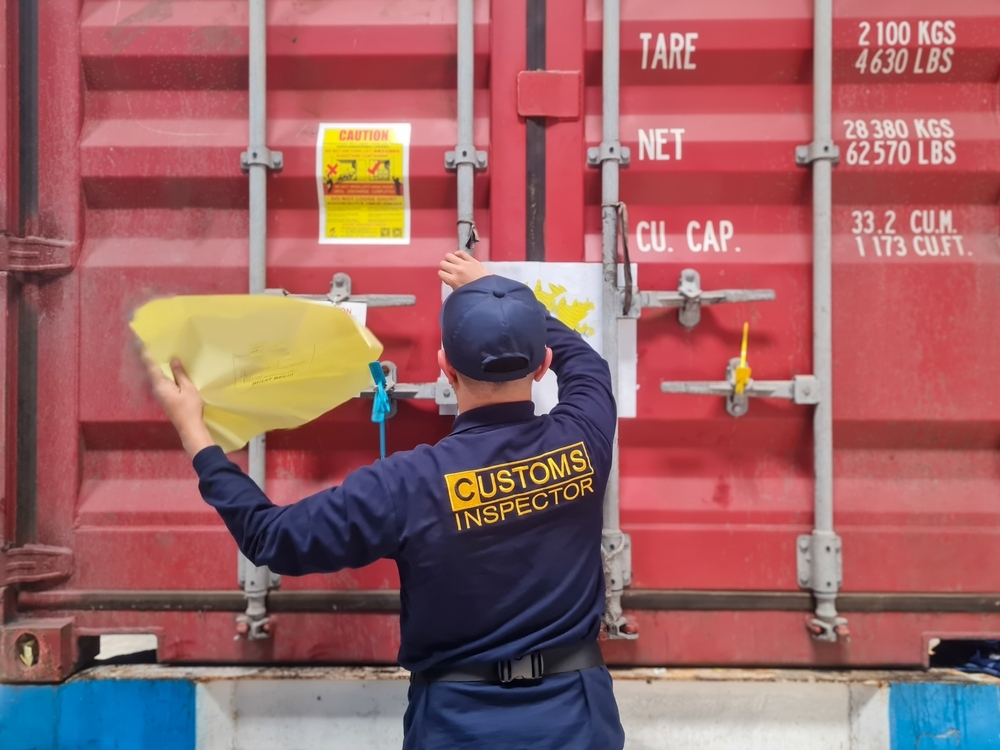
Loading Inspection

Pre-shipment inspections verify cargo condition, quantity, and packaging standards.

Here We Are

GET ANYTYPE QUOTE FROM HERE.

Your Best Freight Forwarder from China to Nigeria

Choosing the right freight forwarder is essential when shipping to Nigeria, a market known for high trade volumes, port congestion challenges, and complex customs procedures. Logistics Groups combines global freight expertise with in-depth knowledge of China–Nigeria logistics routes, delivering reliable, compliant, and cost-effective shipping solutions.

Why choose Logistics Groups?

  • Proven experience handling shipments from China to Nigeria
  • Strong carrier networks serving Lagos ports and air cargo gateways
  • Transparent pricing and flexible sea and air freight options
  • Dedicated specialists familiar with Nigerian import compliance
  • End-to-end logistics support from origin pickup to final delivery

Whether you are shipping a single pallet or managing large-scale commercial imports, Logistics Groups is your trusted freight forwarder from China to Nigeria.

What customers also want to know

Professional Shipping from China to Nigeria: The Ultimate FAQ Guide

The common shipping methods from China to Nigeria include air freight, sea freight, and rail transport. Air freight is faster but more expensive, suitable for high-value or urgent shipments. Sea freight is cost-effective for large volumes and heavier cargo but takes longer. Rail transport, though less common, offers a middle ground between cost and time.

To select a reliable freight forwarder, check their experience in handling shipments to Nigeria, read customer reviews, and verify their licensing and insurance coverage. A good forwarder should offer transparent pricing, excellent customer support, and expertise in navigating both Chinese and Nigerian logistics and customs regulations.

Essential documents for importing include the commercial invoice, packing list, bill of lading, certificate of origin, and import declaration forms. Ensure all documents are accurate and complete to facilitate smooth customs clearance. Additional documents may be required depending on the product type and Nigerian regulations.

To insure your goods, request coverage from your freight forwarder or purchase a separate insurance policy from a reputable provider. Ensure the policy covers all potential risks, including loss, damage, and theft during transit. Verify the terms and conditions to ensure adequate protection throughout the shipping process.

Customs duties in Nigeria vary based on the product category and value. The Nigerian Customs Service applies tariffs according to the Harmonized System (HS) codes for different goods. To determine specific duties, consult the Nigerian Customs Service or use their online tariff guide for accurate calculations.

Shipping duration depends on the method used. Air freight typically takes 5-10 days, while sea freight can take 4-6 weeks. The timeframe may vary based on factors such as port congestion, customs processing, and any unforeseen delays in transit.

Costs include product cost, shipping fees, customs duties, taxes, and insurance. Additional expenses may involve handling fees, storage, and port charges. It's important to get a detailed quote from your freight forwarder and factor in all potential costs to avoid unexpected expenses.

You can track your shipment using the tracking number provided by your freight forwarder or shipping carrier. Most forwarders offer online tracking systems that provide real-time updates on your cargo’s location and status, ensuring you can monitor the progress of your shipment.

Regulations for importing electronics include compliance with Nigerian Communications Commission (NCC) standards, obtaining necessary certifications, and adhering to safety and quality requirements. Ensure your products meet Nigerian standards to avoid issues during customs clearance and potential penalties.

Import taxes and fees include customs duties, VAT, and possibly other levies. To handle these, ensure timely payment upon arrival of goods at the Nigerian port. Consult with your freight forwarder or customs broker for guidance on accurate calculations and payment procedures to avoid delays.
Don’t Take Our Words for it

Listen to What Our Clients Say about Our Freight Forwarding Service

A dependable long-term logistics partner

We have worked with Logistics Groups on multiple shipments, and each one was handled with consistency and care. They are a reliable partner for China–Europe transportation.

Truly end-to-end service

Logistics Groups handled all documentation, customs procedures, terminal operations, and last-mile delivery seamlessly. Their one-stop logistics service saved us a lot of time and effort.

Jon D. William
Founder of Mixbix

Reliable and professional logistics partner

Logistics Groups delivered an excellent rail freight solution from China to Europe. The entire process—from booking to customs clearance and final delivery—was smooth, well-organized, and transparent. Highly recommended.


Sakira K. Lilliam
Ceo of Axone