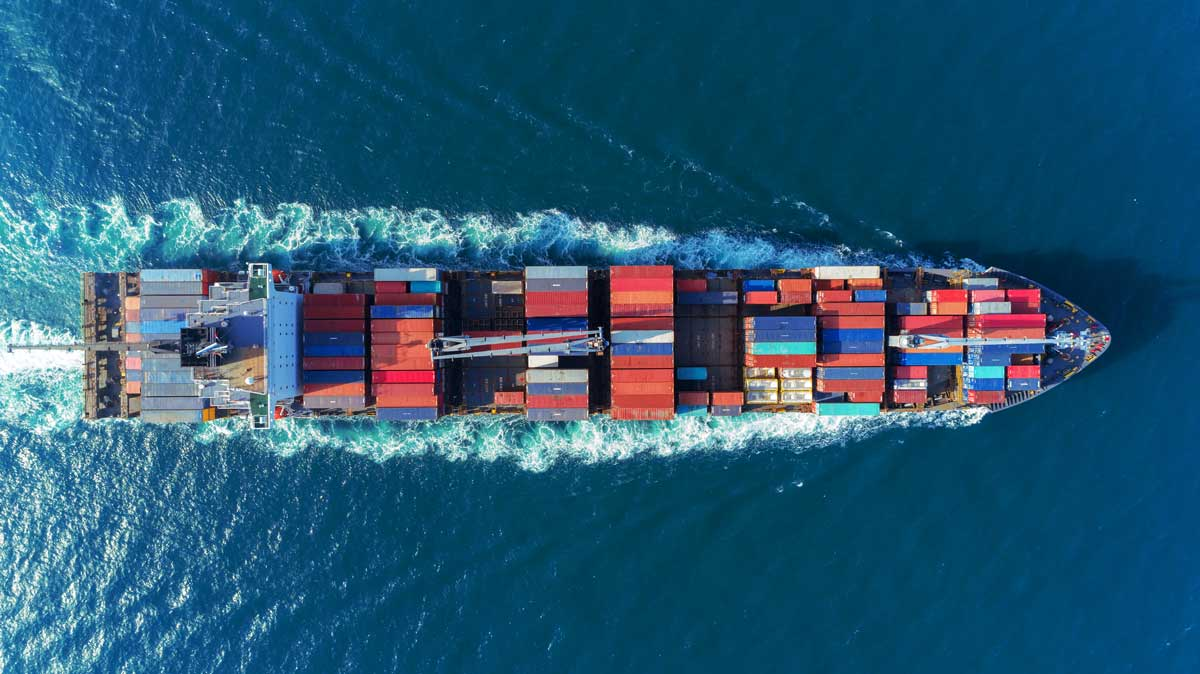
Shipping from China to Poland is efficient and reliable with Logistics Groups. As a major Central European trade hub, Poland relies on ports such as Gdansk and Gdynia, along with inland logistics hubs like Warsaw, Poznan, and Katowice. Businesses importing electronics, machinery, textiles, or general commercial goods require logistics solutions that ensure timely delivery, smooth customs clearance, and cost-effective transport. Logistics Groups provides tailored services to ensure your cargo reaches Poland safely and on schedule.
Sea freight is the most economical solution for transporting large shipments from China to Poland. Full Container Load (FCL) is ideal for bulk cargo, offering dedicated container space and enhanced security. Less than Container Load (LCL) is suitable for smaller shipments, consolidating multiple consignments to reduce costs. Typical transit time from major Chinese ports such as Shanghai, Ningbo, or Shenzhen to Polish ports like Gdansk or Gdynia is approximately 28 to 40 days. Logistics Groups ensures seamless customs clearance at Polish ports and efficient inland transport to Warsaw, Poznan, Katowice, or other cities.
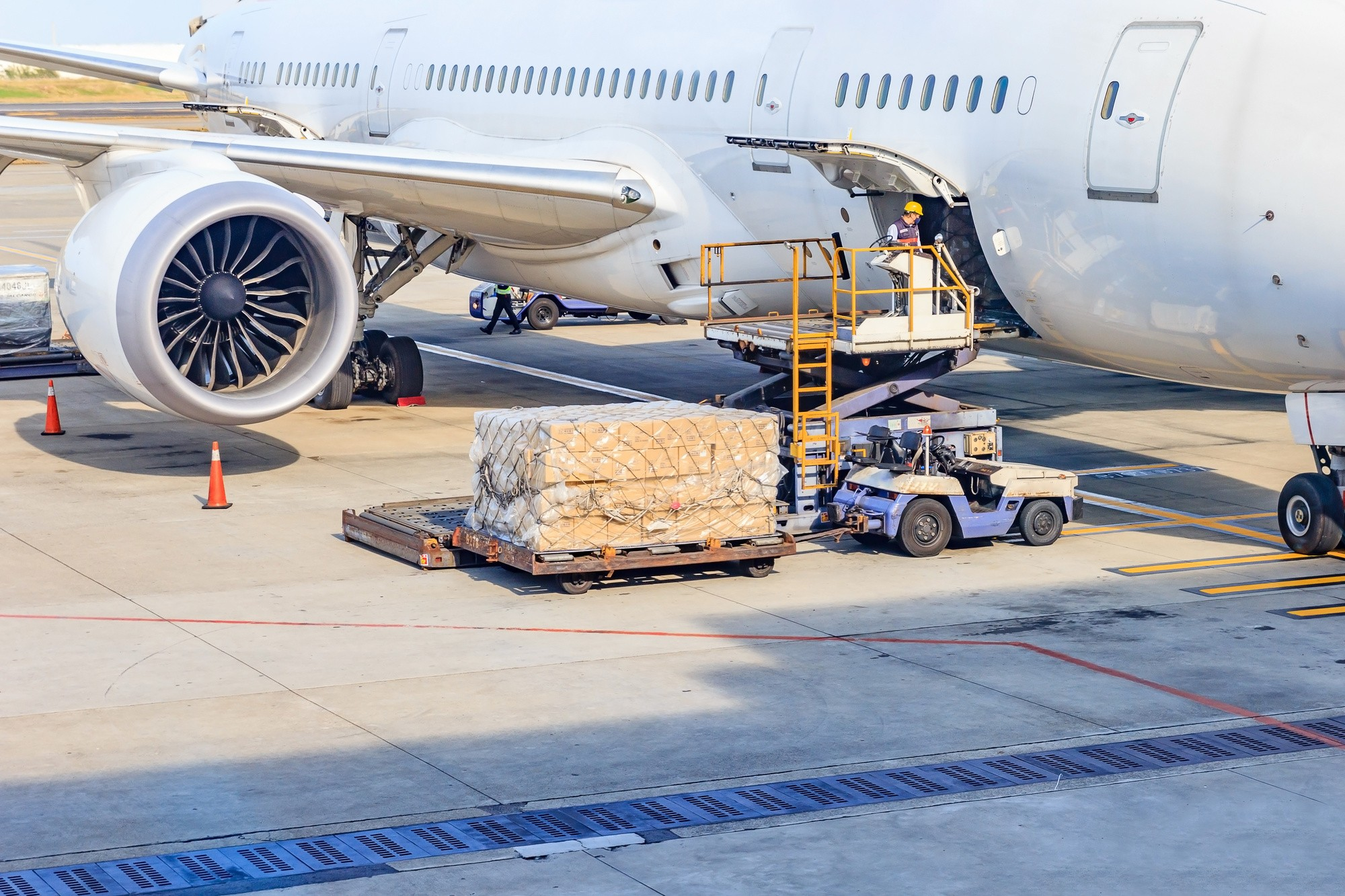
Air freight provides the fastest solution for urgent or high-value shipments. Transit from China to Warsaw Chopin Airport generally takes 3 to 7 days. Air shipments are ideal for electronics, pharmaceuticals, fashion items, and perishable goods, benefiting from faster customs clearance and minimal handling risk. Logistics Groups manages airport-to-door delivery to guarantee your cargo reaches its destination efficiently and safely.
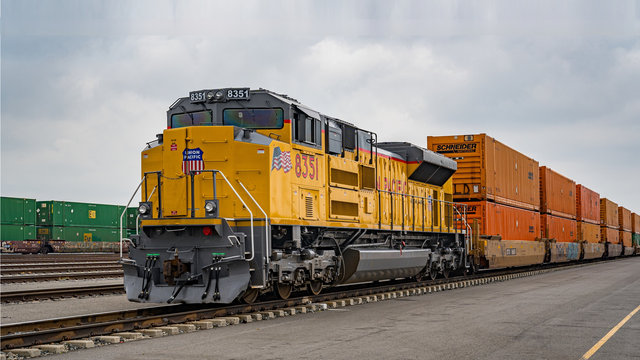
Door-to-door shipping delivers cargo directly from your supplier in China to any address in Poland. This service includes pickup, export customs clearance, transport by sea or air, import customs clearance, and final delivery. It is particularly convenient for businesses without local logistics partners and provides end-to-end tracking so you always know the status of your shipment. Logistics Groups ensures secure, timely, and hassle-free delivery.

Full Container Load (FCL) shipping is recommended for large-scale shipments such as machinery, electronics, and textiles. Available container sizes include 20ft, 40ft, and 40ft HQ. FCL provides dedicated space for cargo, reducing risk of damage and speeding up terminal handling. Containers typically arrive at Gdansk or Gdynia ports, followed by efficient inland transport to major Polish cities.
Less than Container Load (LCL) is ideal for small to medium shipments. Multiple shipments are consolidated into one container, offering flexibility and cost savings. Transit time is generally 30 to 45 days due to consolidation and port handling. Logistics Groups manages all documentation, cargo consolidation, and inland delivery to Poland to ensure smooth and reliable transport.
Full pickup from your supplier in China and final delivery to any address in Poland.
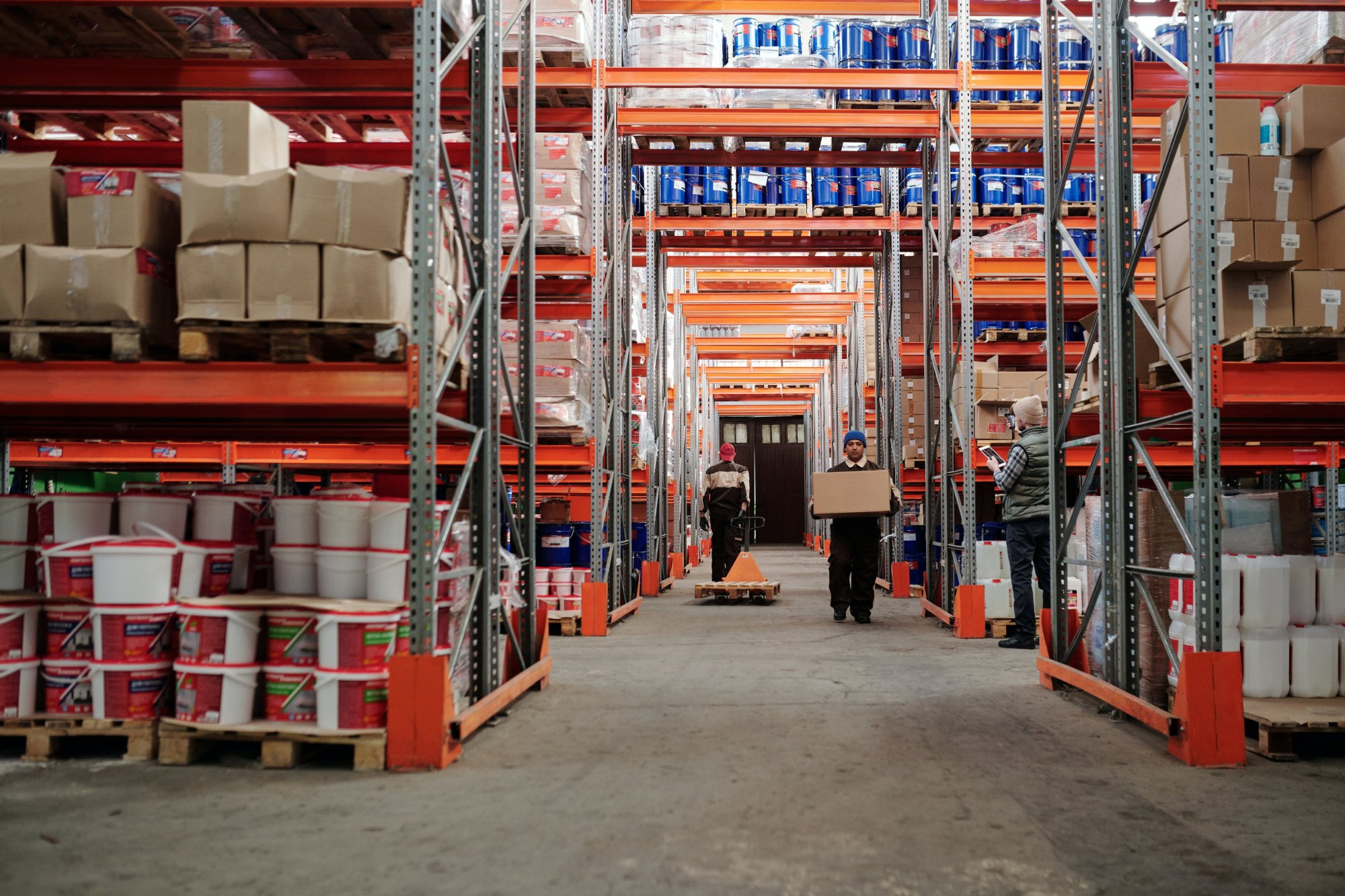
Short-term and long-term storage solutions in China and Poland for secure and flexible handling of goods.
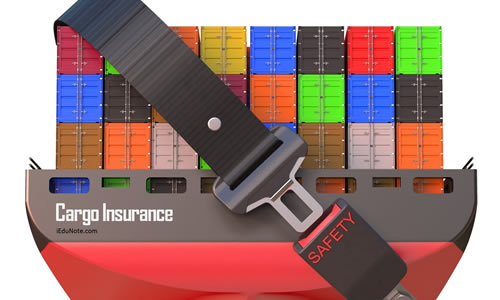
Comprehensive coverage protects shipments against loss or damage during transit.

Expert handling of import clearance at Polish ports, ensuring compliance with EU regulations.
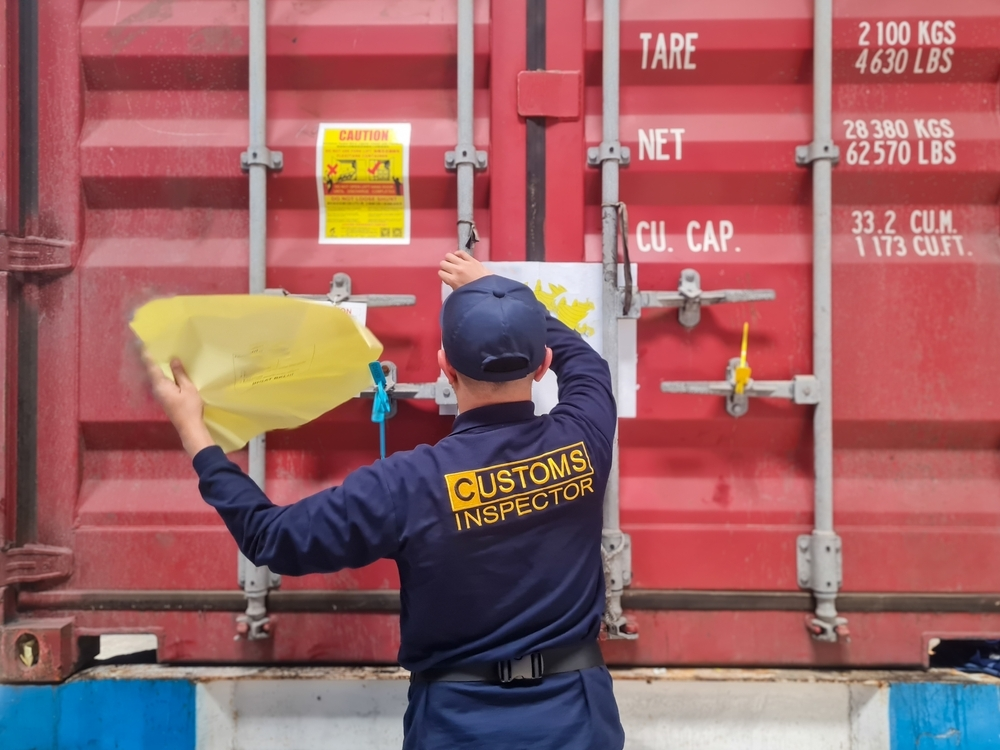
Pre-shipment inspections verify quantity, quality, and packaging to minimize risks during transport.
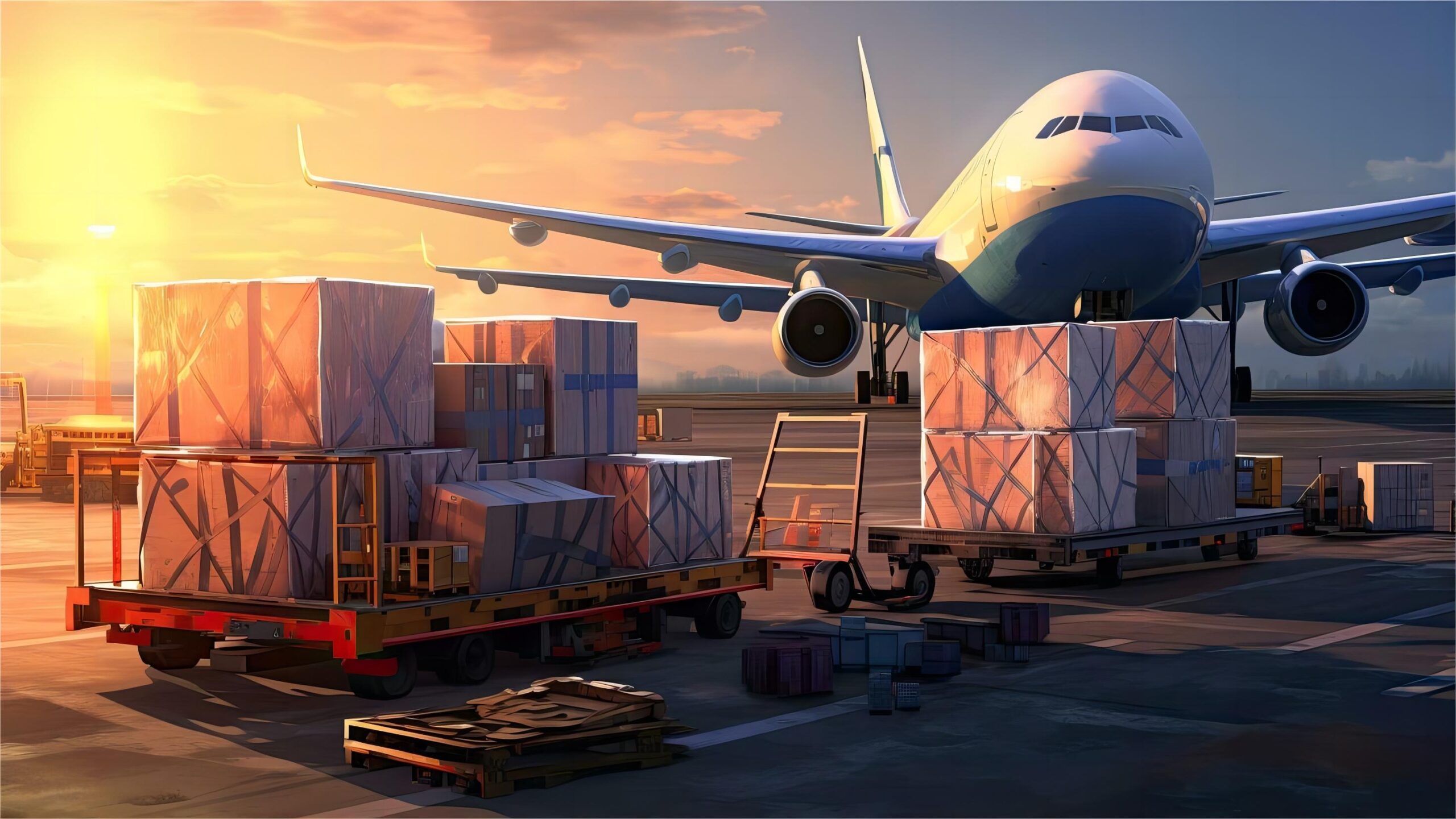
With years of experience in international shipping, Logistics Groups is your trusted partner for delivering goods from China to Poland. Our services combine:
Choose Logistics Groups to simplify your imports from China to Poland and ensure your business thrives in this Central European market.
When selecting a freight forwarder, prioritize their reputation for reliability and safety. Review their track record, customer reviews, and safety protocols. Ensure they have experience with shipments to Poland and can handle the specific requirements of your cargo, including customs procedures and regulatory compliance.
Use high-quality, durable packaging materials tailored to your cargo type. For fragile items, include sufficient padding and cushioning. Employ secure and robust containers for heavier items. Proper packaging minimizes the risk of damage during transit and helps maintain the integrity of your goods.
Opt for comprehensive insurance coverage that includes protection against loss, theft, and damage. For high-value or sensitive items, consider additional insurance. Review the policy details thoroughly to ensure it meets your needs and covers all potential risks during transportation.
Ensure compliance with both international and Polish regulations, including customs, safety, and environmental standards. Prepare accurate and complete documentation, including import permits and certificates. Adhering to these regulations prevents delays and potential fines.
Real-time tracking provides visibility into your shipment’s location and status throughout the journey. This allows you to monitor progress, quickly identify and address issues, and keep stakeholders informed. It enhances transparency and helps ensure timely delivery.
Implement security measures such as using tamper-evident seals, secure packaging, and monitored storage facilities. Ensure that loading and unloading processes are supervised to prevent theft or unauthorized access. These measures safeguard your shipment against potential risks.
Conduct a thorough risk assessment to identify potential hazards, such as adverse weather or logistical delays. Develop contingency plans to address these risks effectively. Regularly review and update your risk management strategies based on current conditions and industry best practices.
Train personnel on safety protocols, regulatory compliance, and emergency response procedures. Ensure they understand proper handling techniques for various types of cargo, including hazardous materials. Proper training reduces the risk of accidents and ensures compliance with safety standards.
Establish clear and consistent communication channels with freight forwarders, suppliers, and recipients. Provide detailed instructions, update on shipment progress, and promptly address any issues or concerns. Effective communication helps to prevent misunderstandings and ensures a smooth shipping process.
Regularly evaluate your shipping processes and safety practices based on feedback, industry developments, and past incidents. Implement improvements to enhance efficiency, reduce risks, and optimize overall safety. Staying updated with industry trends and best practices helps maintain high standards in shipping operations.
Logistics Groups delivered an excellent rail freight solution from China to Europe. The entire process—from booking to customs clearance and final delivery—was smooth, well-organized, and transparent. Highly recommended.
The team was responsive, professional, and proactive throughout the shipment. Every milestone was clearly communicated, giving us full confidence in the process.