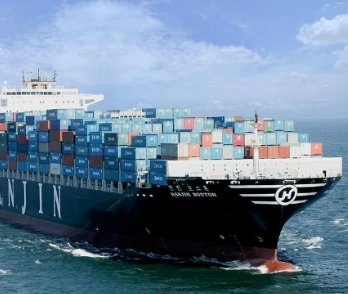
Shipping from China to Zimbabwe plays a vital role in supporting the country’s industrial, mining, agricultural, and retail sectors, with major imports including machinery, mining equipment, building materials, electronics, and consumer goods. As a landlocked country in Southern Africa, Zimbabwe relies on regional seaports such as Durban in South Africa, Beira in Mozambique, and Dar es Salaam in Tanzania for international cargo entry, followed by inland transport to cities like Harare and Bulawayo. By working with Logistics Groups, importers benefit from optimized Southern Africa trade routes, experienced cross-border coordination, and reliable end-to-end logistics solutions from China to Zimbabwe.
Sea freight from China to Zimbabwe involves ocean transportation to Southern or East African ports, most commonly Durban or Beira, followed by inland trucking or rail transport into Zimbabwe. Typical transit times range from 35 to 55 days depending on the port of discharge, vessel schedules, and border clearance efficiency. This shipping mode is ideal for heavy cargo, bulk goods, construction materials, and mining-related equipment where cost efficiency is a priority. Logistics Groups manages ocean bookings, port handling, export documentation, and inland transit planning to ensure smooth cargo movement into Zimbabwe.

Air freight from China to Zimbabwe is best suited for time-sensitive, high-value, or lightweight cargo, with average transit times of 6 to 10 days including customs clearance. Cargo is usually routed via major African aviation hubs such as Johannesburg, Addis Ababa, or Nairobi before arriving at Robert Gabriel Mugabe International Airport in Harare. This option is widely used for electronics, spare parts, medical supplies, and urgent commercial shipments. Logistics Groups coordinates flight space, secure cargo handling, and customs processing to ensure fast and reliable delivery.

Door to door shipping from China to Zimbabwe provides a fully managed logistics solution covering supplier pickup, international freight, customs clearance, cross-border transport, and final delivery to the consignee’s address. This service is particularly suitable for importers seeking predictable costs and minimal operational involvement, especially given Zimbabwe’s reliance on transit countries. Logistics Groups oversees every stage of the shipment, from export compliance in China to inland delivery within Zimbabwe, ensuring efficiency, transparency, and reduced risk throughout the supply chain.

FCL shipping from China to Zimbabwe is ideal for large-volume or high-value shipments that require exclusive container use and enhanced cargo security during multi-country transit. Full container loads are commonly used for industrial machinery, mining equipment, and large commercial consignments. Containers are routed through selected African ports and delivered inland under controlled logistics arrangements. Logistics Groups provides container optimization, loading supervision, and coordinated inland transport to ensure safe and timely delivery to Zimbabwe.
LCL shipping from China to Zimbabwe offers a cost-effective option for smaller shipments that do not require a full container, allowing multiple consignments to share space and reduce shipping costs. This method is popular among SMEs, trial shipments, and mixed cargo imports, though it involves additional consolidation and deconsolidation handling. LCL cargo is routed through regional ports before inland transport to Zimbabwe. Logistics Groups manages consolidation accuracy, documentation, and inland coordination to maintain stable delivery timelines.
Supplier pickup across China and final delivery throughout Zimbabwe

Short- and long-term storage at origin and regional transit hubs
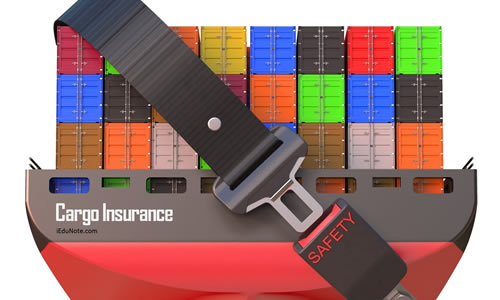
Insurance coverage for international and inland transport risks

Support for Zimbabwe import customs procedures and documentation
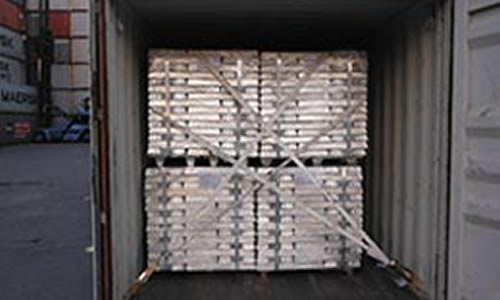
Pre-shipment inspection to verify cargo condition and quantities
Shipping to Zimbabwe requires strong control over regional ports, inland corridors, and cross-border procedures. Logistics Groups combines global freight expertise with practical experience in Southern Africa logistics to deliver reliable, compliant, and cost-effective shipping solutions.
Why choose Logistics Groups?
For small consignments or large-scale project cargo, Logistics Groups is your trusted freight forwarder from China to Zimbabwe.
Shipping time from China to Zimbabwe can range from 7 to 30 days, depending on the shipping method. Standard sea freight might take longer, around 4-6 weeks, while air freight generally takes 7-14 days. Factors like customs processing and local delivery can also influence the total transit time.
Several factors affect shipping duration, including the shipping method (air vs. sea), customs processing times, weather conditions, and the efficiency of the logistics companies involved. Additionally, any disruptions in international trade or political issues can impact delivery times.
Yes, expedited shipping options are available, such as express air freight services provided by companies like DHL, FedEx, or UPS. These services can significantly reduce shipping time, often delivering within 3-7 business days, though they are more expensive compared to standard shipping methods.
Sea freight is generally more cost-effective for larger and heavier shipments but takes longer, usually 4-6 weeks. Air freight, while faster (7-14 days), is more expensive and is often chosen for smaller, urgent shipments. Costs vary based on weight, volume, and specific service providers.
Customs clearance can impact shipping times significantly. Delays may occur if there are issues with documentation, duties, or inspections. Properly preparing and submitting accurate customs paperwork can help avoid unnecessary delays. Customs procedures in Zimbabwe can vary, affecting overall delivery times.
Common shipping methods include sea freight (both FCL and LCL), air freight, and express courier services. Sea freight is suitable for bulk shipments, while air freight and express services are used for smaller or urgent deliveries. Each method has different timeframes and cost implications.
Tracking information is typically provided by the shipping carrier or logistics company. You can track your shipment using tracking numbers through the carrier’s website or app. For international shipments, tracking might also be available through third-party tracking services that aggregate information from multiple carriers.
Required documents generally include a commercial invoice, packing list, bill of lading (for sea freight) or air waybill (for air freight), and customs declaration forms. Depending on the goods being shipped, additional permits or certificates may be required, especially for regulated items.
Customs duties and taxes vary depending on the type of goods and their value. Zimbabwean customs authorities apply duties based on the Harmonized System (HS) codes of the products. Importers should check with the Zimbabwe Revenue Authority (ZIMRA) for specific rates and requirements to ensure compliance.
To reduce shipping costs, consider consolidating shipments to maximize volume, choosing sea freight over air freight for non-urgent deliveries, and negotiating rates with logistics providers. Additionally, proper packaging to minimize weight and volume can help lower shipping fees. Regularly reviewing and comparing service providers can also yield cost savings.
The team was responsive, professional, and proactive throughout the shipment. Every milestone was clearly communicated, giving us full confidence in the process.
We have worked with Logistics Groups on multiple shipments, and each one was handled with consistency and care. They are a reliable partner for China–Europe transportation.
Logistics Groups handled all documentation, customs procedures, terminal operations, and last-mile delivery seamlessly. Their one-stop logistics service saved us a lot of time and effort.