

China Export Logistics Netherlands: The Ultimate Shipping Guide for 2025
Navigating the complexities of china export logistics netherlands requires a strategic approach to ensure your supply chain remains efficient and cost-effective. Many businesses choose Logistics Groups to handle their international shipping needs because of our deep expertise in the European market. Consequently, understanding the various transport modes and regulatory requirements is essential for any importer looking to succeed in the Netherlands.
Why Choose China Export Logistics Netherlands for Your Business?
The Netherlands serves as the primary gateway to Europe, making it a critical hub for global trade. Specifically, the Port of Rotterdam and Amsterdam Schiphol Airport offer world-class infrastructure that facilitates rapid distribution across the continent. Moreover, the Dutch logistics sector is highly advanced, providing seamless connections to Germany, France, and Belgium.
Choosing the right partner for your china export logistics netherlands operations can significantly reduce your overhead costs. Furthermore, efficient logistics management ensures that your products reach the market faster than your competitors. In addition, the strategic location of the Netherlands allows for various multimodal transport options, including sea, rail, and air freight.
What are the Primary Shipping Methods for the China-Netherlands Route?
Sea freight remains the most popular choice for businesses moving large volumes of goods due to its cost-effectiveness. However, for smaller shipments or urgent deliveries, air freight offers unparalleled speed despite the higher price point. Meanwhile, rail freight has emerged as a reliable middle-ground solution, offering faster transit than sea and lower costs than air.
Consider sea freight for large shipments that are not time-sensitive. This method allows you to take advantage of economies of scale, especially when shipping full container loads. Conversely, if you are shipping high-value electronics or seasonal fashion items, air cargo might be the more appropriate choice.
Ocean Freight: FCL vs LCL
Full Container Load (FCL) is ideal for businesses that have enough cargo to fill an entire 20ft or 40ft container. Alternatively, Less than Container Load (LCL) allows multiple shippers to share container space, which is perfect for smaller volumes. Therefore, choosing between FCL and LCL depends largely on your total cargo volume and budget constraints.
How Does Rail Freight Compare to Other Shipping Options?
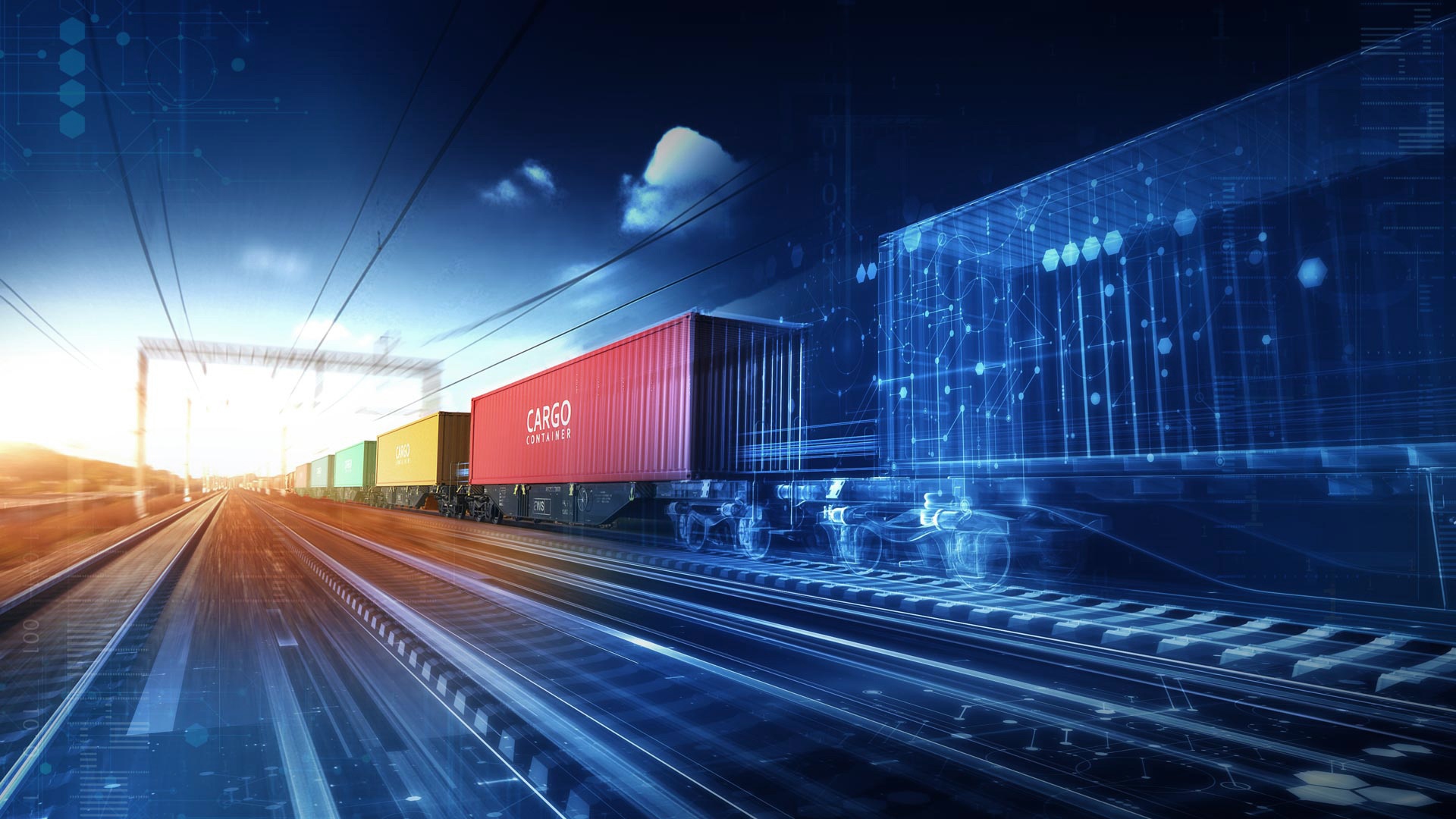
Rail freight has gained significant traction as part of the Belt and Road Initiative, connecting major Chinese cities directly to Tilburg and Rotterdam. Indeed, this method provides a transit time of approximately 15 to 20 days, which is nearly half the time of sea freight. Consequently, many companies use rail freight to balance speed and cost effectively.
While rail is faster than sea, it is also more expensive, typically costing about twice as much as ocean transport. Nevertheless, it remains significantly cheaper than air freight, making it an excellent choice for automotive parts and industrial machinery. Specifically, businesses can avoid the volatility of air freight rates by locking in more stable rail pricing.
| Shipping Method | Cost Range | Transit Time | Best For |
|---|---|---|---|
| Sea Freight (FCL) | $3,000 – $4,500 | 30 – 40 Days | Bulk goods, low urgency |
| Rail Freight | $5,500 – $7,500 | 15 – 22 Days | Machinery, electronics |
| Air Freight | $4.50 – $8.50/kg | 3 – 7 Days | High-value, urgent items |
| Express Service | $9.00 – $15.00/kg | 2 – 4 Days | Samples, small parcels |
Which Option Should You Choose for Your Specific Needs?
Deciding on the best shipping method involves evaluating your budget, timeline, and cargo type. For example, if your priority is minimizing costs and you have a flexible schedule, sea freight is the clear winner. On the other hand, if you need to replenish stock quickly to meet consumer demand, air freight is the most logical choice.
Hybrid solutions are also becoming more common in the industry. For instance, some logistics providers offer sea-air combinations where goods are shipped by sea to a hub like Dubai and then flown to Amsterdam. This approach offers a compromise between the two traditional methods, providing moderate speed and cost.
Understanding the Regulatory Landscape of China Export Logistics Netherlands
Importing goods into the Netherlands requires strict adherence to European Union customs regulations. Specifically, you must provide an Economic Operators Registration and Identification (EORI) number for all customs declarations. Furthermore, ensuring that your documentation is accurate is vital to avoiding costly delays at the border.
Utilizing a professional customs brokerage service can simplify this complex process. Experts can help you classify your goods correctly using the Harmonized System (HS) codes, which determines the applicable duties and taxes. Additionally, they can advise on VAT deferment schemes like Article 23, which can improve your company’s cash flow.
| Document Name | Purpose | Required By | Key Details |
|---|---|---|---|
| Commercial Invoice | Proof of transaction | Customs Authority | Value, description, HS code |
| Packing List | Inventory details | Warehouse/Customs | Weight, dimensions, units |
| Bill of Lading | Contract of carriage | Carrier/Bank | Ownership and route info |
| Certificate of Origin | Verify source | Customs Authority | Determines duty rates |
Real-World Case Studies in China Export Logistics
Analyzing real-world scenarios helps businesses understand the practical applications of different shipping strategies. For example, a recent shipment of consumer electronics from Shenzhen to Rotterdam demonstrated the benefits of FCL sea freight during the peak season. Despite slight port congestion, the total landed cost remained within the client’s budget.
Another case involved a fashion retailer in Amsterdam who needed urgent inventory for a seasonal launch. By choosing door to door air freight, they received their goods in just five days. Consequently, they were able to meet market demand and maximize their sales revenue.
Case Study 1: Large Scale Industrial Machinery
Route: Shanghai, China to Rotterdam, Netherlands. Cargo: 2 x 40HQ Containers of CNC Machines. Shipping Method: Sea Freight (FCL). Carrier: Maersk. Cost: $7,800 total. Transit Time: 34 days. Key Insight: Booking four weeks in advance secured a lower rate during the Q3 peak period.
Case Study 2: High-Value E-commerce Stock
Route: Ningbo, China to Tilburg, Netherlands. Cargo: 15 CBM of smart home devices. Shipping Method: Rail Freight (LCL). Cost: $3,200. Transit Time: 19 days. Key Insight: Rail provided the necessary speed to restock inventory without the exorbitant costs of air freight.
How to Optimize China Export Logistics Netherlands for Cost Savings?
Reducing your shipping expenses requires a combination of smart planning and negotiation. For instance, consolidating multiple small shipments into a single LCL or FCL load can lead to significant savings. Moreover, choosing the right Incoterms, such as FOB (Free on Board), gives you more control over the logistics costs and service quality.
Another effective strategy is to optimize your packaging to reduce the volumetric weight of your cargo. Since many carriers charge based on the space your goods occupy, minimizing empty space can lower your freight rates. Additionally, staying informed about market trends and seasonal fluctuations allows you to time your shipments more effectively.
The Role of Technology in Modern Logistics
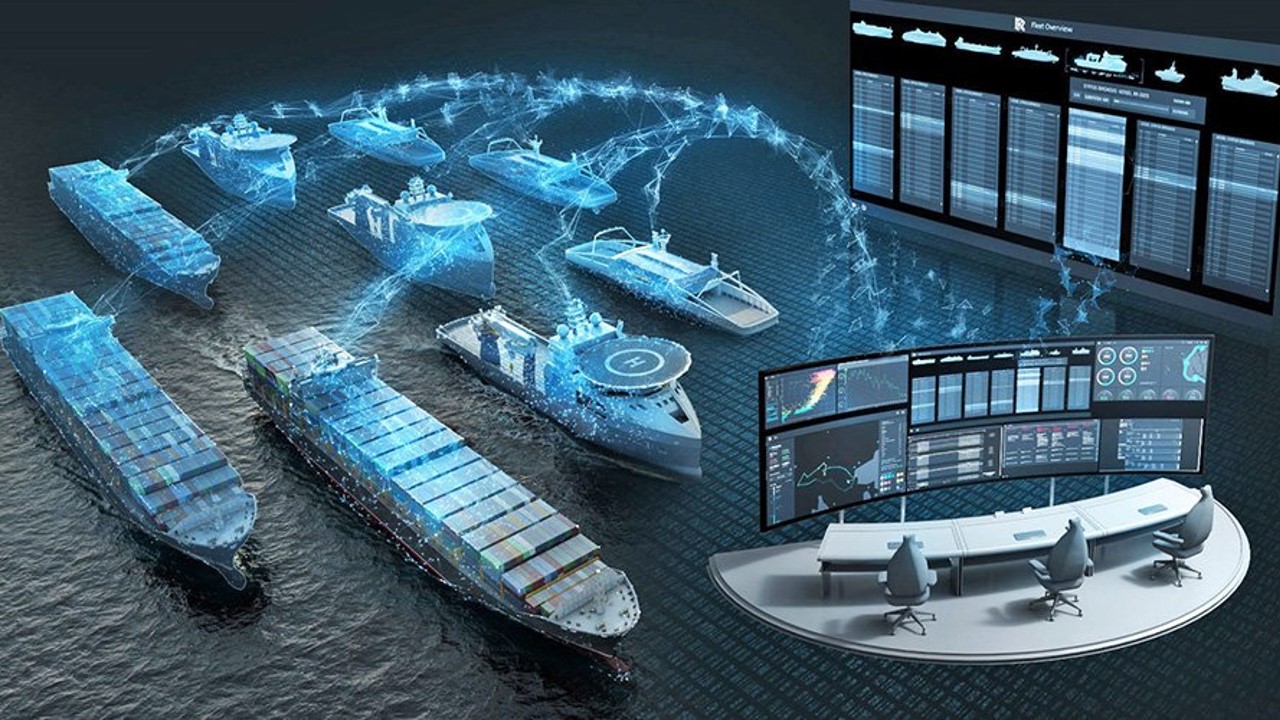
Digital transformation is reshaping the way businesses manage their shipping from China to Europe. Specifically, real-time tracking systems provide visibility into the location and status of your cargo at every stage. Consequently, you can proactively address potential delays and keep your customers informed.
Furthermore, automated documentation platforms reduce the risk of human error in customs filings. These tools ensure that all required data is captured accurately and submitted on time. In addition, data analytics can help you identify patterns in your supply chain, allowing for continuous improvement in your logistics operations.
Conclusion
In summary, mastering china export logistics netherlands is vital for any business looking to capitalize on the European market. By understanding the differences between sea, air, and rail freight, you can make informed decisions that balance cost and speed. Moreover, navigating customs regulations with the help of experts ensures that your goods arrive without unnecessary delays.
As market conditions continue to evolve in 2025, staying adaptable and leveraging technology will be key to your success. Whether you are shipping bulk industrial goods or high-value consumer products, the right logistics strategy will provide a significant competitive advantage. Therefore, start optimizing your China to Netherlands shipping route today to ensure long-term growth.
Ready to streamline your logistics?
Streamline your supply chain today by partnering with experts in china export logistics netherlands. Our team is ready to provide you with a customized quote that meets your specific budget and timeline requirements. Visit our website to learn more or Send Inquiry to get started with a professional logistics consultation.
Request Quote