


China Export Logistics Cheap: Best Strategies for 2025 Shipping
Securing China export logistics cheap rates is essential for businesses looking to maintain high profit margins in a competitive global market. Finding a reliable partner who balances speed and affordability can transform your entire supply chain efficiency. Therefore, understanding the nuances of international freight is the first step toward reducing your landed costs significantly.
Why is China Export Logistics Cheap for Some and Expensive for Others?
Many importers wonder why shipping costs vary so drastically between different providers and routes. Consequently, the answer often lies in the volume of cargo and the specific shipping method selected for the journey. For instance, large enterprises often negotiate better rates due to their consistent shipping schedules and high container volumes.
Moreover, the timing of your booking plays a critical role in determining the final price you pay. If you book during peak seasons like the weeks leading up to Chinese New Year, prices will naturally skyrocket. On the other hand, shipping during slack periods can lead to substantial savings for savvy business owners.
Additionally, the choice of port can impact the overall cost of your logistics operations. Major hubs like Shanghai or Shenzhen offer more competitive rates because of the high frequency of departing vessels. Smaller ports might seem convenient but often involve higher feeder vessel fees and longer transit times.

Comparing Primary Shipping Methods for Cost Efficiency
Choosing the right transportation mode is the most significant factor in keeping your expenses low. While speed is often a priority, opting for sea freight is generally the most economical choice for bulk shipments. Furthermore, ocean transport allows for the movement of heavy or oversized goods that would be prohibitively expensive by air.
In contrast, rail freight has emerged as a middle-ground solution for shipments heading to Central Asia and the Middle East. It offers faster transit than the sea while remaining much cheaper than air transport. Nevertheless, you must verify if your specific destination is serviced by the existing rail infrastructure from China.
For urgent deliveries, air freight provides the fastest turnaround despite the higher price tag. Businesses often use this method for high-value electronics or time-sensitive fashion items. To summarize, the best method depends on balancing your budget against your required delivery timeline.
| Method | Cost Level | Transit Time | Best For |
|---|---|---|---|
| Sea Freight | Very Low | 30-45 Days | Bulk & Large Items |
| Air Freight | High | 3-7 Days | Urgent & High Value |
| Rail Freight | Medium | 15-22 Days | Mid-sized to Europe |
| Express | Very High | 2-5 Days | Small Parcels |
How Does Sea Freight Compare to Other Shipping Options?
When analyzing how to keep China export logistics cheap, sea freight remains the undisputed leader for long-haul routes. While air freight costs are calculated by weight, sea freight is largely based on volume or container capacity. This distinction makes ocean shipping ideal for furniture, machinery, and raw materials.
However, you must consider the trade-offs involved with slower transit times. Longer journeys mean your capital is tied up in inventory for several weeks. Therefore, businesses must plan their inventory cycles carefully to avoid stockouts while waiting for the next vessel to arrive.
Hybrid solutions like sea-air combinations are also becoming popular for those who need a compromise. This involves shipping goods by sea to a hub like Dubai and then flying them to the final destination. As a result, you save money compared to pure air freight while saving time compared to pure sea freight.
| Shipping Method | Cost Range | Transit Time | Limitations |
|---|---|---|---|
| Sea FCL | $2,500 – $4,500 | 30-40 Days | Requires full container |
| Sea LCL | $50 – $150/CBM | 35-45 Days | Risk of cargo damage |
| Air Freight | $4.50 – $9.00/kg | 5-8 Days | Very expensive for bulk |
| Rail Freight | $1,200 – $2,500 | 18-25 Days | Limited destinations |
Which Option Should You Choose? A Decision Framework
If your primary goal is the lowest possible price, sea freight is almost always the answer. For shipments over 15 CBM, a Full Container Load (FCL) is typically more cost-effective than Less than Container Load (LCL). Indeed, FCL also reduces the handling of your goods, which lowers the risk of damage during transit.
If speed is your priority, air freight or express services are necessary. These options are perfect for samples or urgent replacements. Additionally, Amazon FBA sellers often use a mix of both methods to keep their stock levels healthy while minimizing costs.
Cargo type also dictates your choice. Hazardous materials or extremely heavy machinery often have limited options and require specialized handling. Consequently, you should consult with a professional to ensure your specific cargo complies with international shipping regulations.
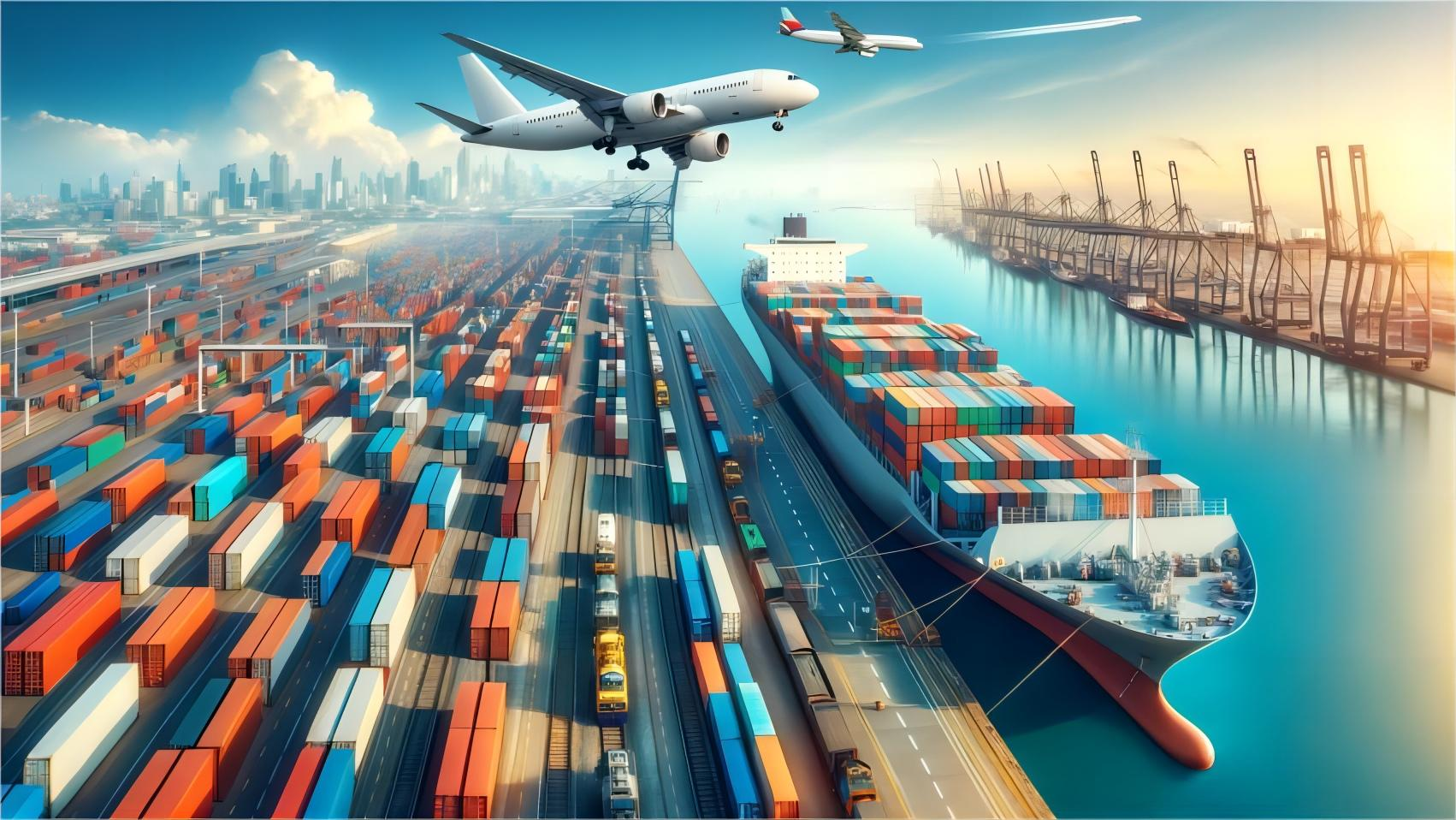
Real-World Case Studies in China Logistics
Examining real-world examples helps clarify the actual costs involved in global trade. These cases reflect market conditions as of early 2025. Please note that rates fluctuate based on fuel surcharges and carrier capacity.
Case Study 1: Electronics from Shenzhen to Los Angeles. A tech company shipped 20 CBM of consumer electronics. They chose LCL sea freight to save on costs compared to air transport.
Case Study 2: Textiles from Ningbo to Hamburg. A clothing retailer used FCL shipping for a 40HQ container. By booking six weeks in advance, they secured a rate 15% lower than the market average.
Case Study 1: LCL Electronics Shipment
Route: Shenzhen, China to Los Angeles, USA. Cargo: Consumer Electronics, 20 CBM, 4,500 kg. Container: LCL. Shipping Details: Major carrier via direct route. Port of Loading: Shenzhen. Port of Discharge: Los Angeles.
Cost Breakdown: Ocean Freight: $1,200. Origin Charges: $350. Destination Charges: $450. Customs and Duties: $1,100. Total Landed Cost: $3,100. Timeline: 22 days door-to-door. Key Insight: Consolidating cargo into a single LCL shipment saved the client $4,000 compared to air freight.
Case Study 2: FCL Textile Shipment
Route: Ningbo, China to Hamburg, Germany. Cargo: Apparel, 40HQ Container. Shipping Details: Direct route via COSCO. Port of Loading: Ningbo. Port of Discharge: Hamburg.
Cost Breakdown: Ocean Freight: $3,800. Origin Charges: $400. Destination Charges: $550. Customs and Duties: $2,500. Total Landed Cost: $7,250. Timeline: 35 days door-to-door. Key Insight: Booking during the off-peak season in Q1 2025 resulted in significant savings on ocean freight.
Navigating Customs and Essential Documentation
Mistakes in documentation can lead to expensive delays and storage fees. Therefore, hiring a professional for customs brokerage is often a wise investment. They ensure that all paperwork, such as the Bill of Lading and Commercial Invoice, is accurate and compliant with local laws.
Furthermore, understanding the Harmonized System (HS) codes for your products is vital. Incorrect codes can lead to overpaying duties or facing legal penalties. In addition, certain products may require specific certificates of origin or safety inspections before they can be cleared for export.
To summarize, being proactive with your documentation prevents your shipment from being held at the port. This efficiency directly contributes to your goal of keeping China export logistics cheap by avoiding demurrage and detention charges.
| Document Name | Purpose | Required By | Criticality |
|---|---|---|---|
| Bill of Lading | Contract of Carriage | Carrier/Customs | Mandatory |
| Commercial Invoice | Value Declaration | Customs | Mandatory |
| Packing List | Content Detail | Warehouse/Customs | Mandatory |
| HS Code | Product Classification | Customs | Mandatory |
Regional Logistics: Shipping to Europe and North America
Shipping routes to Europe have seen significant changes recently due to global events. While traditional sea routes remain the most common, some businesses are exploring alternative corridors to avoid congestion. Consequently, staying updated on geopolitical trends is essential for maintaining a stable supply chain.
For those targeting North America, the choice between West Coast and East Coast ports is a major strategic decision. Shipping to the West Coast is faster and generally cheaper for ocean freight. However, if your final destination is in the interior, you must factor in the cost of trucking or rail from the port.
Meanwhile, Australia remains a strong market for Chinese exports. Because of the shorter distance, transit times are relatively quick compared to Western routes. Nevertheless, strict biosecurity laws in Australia mean that your packaging and wooden pallets must meet specific treatment standards.
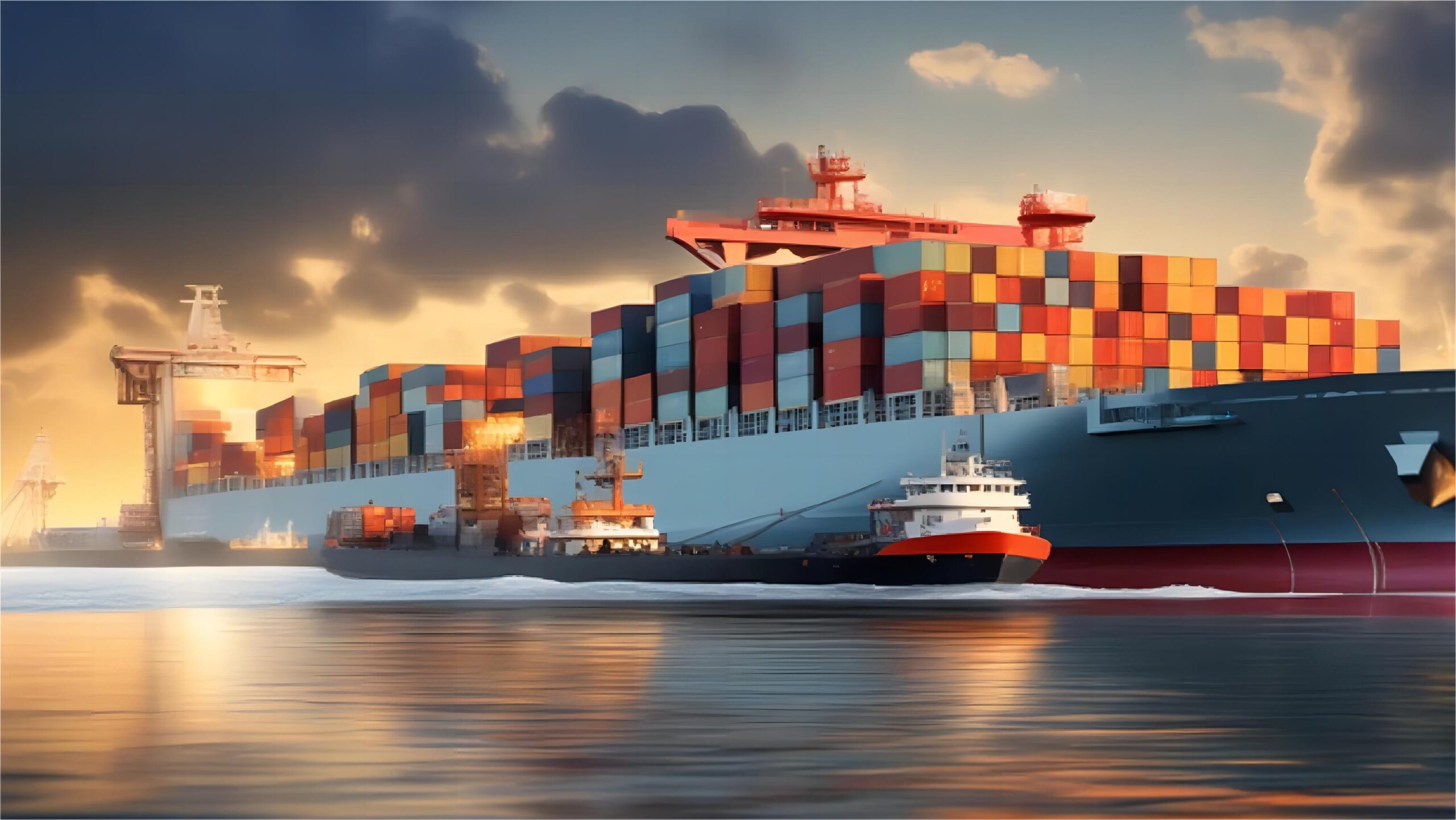
Cost-Saving Strategies for International Shipping
One effective way to reduce costs is to optimize your packaging. By reducing the volume of your boxes, you can fit more units into a single container. Furthermore, using lightweight materials can lower your air freight costs if you occasionally use that method.
Another strategy is to consolidate shipments from multiple suppliers into one container. This process, known as buyer’s consolidation, allows you to benefit from FCL rates even if individual orders are small. In addition, it simplifies the customs process as you only have one set of import documents to manage.
Finally, always request multiple quotes and compare the breakdown of charges. Some forwarders might offer a low base rate but add high surcharges later. Therefore, transparency in pricing is a key quality to look for when choosing a logistics partner.
Market Intelligence: 2025 Logistics Trends
As of Q1 2025, freight rates from China have stabilized after the disruptions of previous years. However, industry benchmarks suggest that fuel costs remain volatile, impacting total shipping prices. Moreover, many carriers are investing in greener technologies, which may lead to new environmental surcharges in the near future.
Digitalization is also transforming the industry, with real-time tracking becoming a standard requirement. This visibility allows businesses to manage their inventory more precisely and respond quickly to any delays. Consequently, choosing a forwarder with a strong digital platform can provide a competitive edge.
Industry average for the China-to-Europe route currently sits around $3,500 for a 40HQ container. Note: Freight rates are subject to change based on fuel costs, carrier capacity, and seasonal demand. Contact us for a current quote tailored to your specific shipment.
Final Thoughts on Affordable China Logistics
In conclusion, finding China export logistics cheap solutions requires a combination of strategic planning and choosing the right partners. By understanding the differences between sea, air, and rail freight, you can make informed decisions that benefit your bottom line.
Always remember to stay proactive with documentation and monitor market trends to avoid unexpected costs. With the right approach, you can maintain a lean and effective supply chain that supports your business growth throughout 2025 and beyond.
Ready to streamline your logistics?
Ready to streamline your supply chain and secure the best rates? Contact our expert team today to discover how we can make your China export logistics cheap and efficient. Request a personalized quote now and take the first step toward hassle-free international shipping. Send Inquiry
Request Quote