

Cargo from China UAE: The Complete 2025 Logistics Guide
Shipping cargo from China UAE involves navigating complex international trade routes and regulatory frameworks that can challenge even experienced importers. At Logistics Groups, we provide comprehensive solutions to streamline your supply chain and ensure your goods arrive safely. This guide explores the most efficient ways to move goods while minimizing costs and transit times in the current market. Regardless of your shipment size, understanding the logistics landscape is essential for maintaining a competitive edge in the Middle Eastern market.

What are the Primary Methods for Moving Cargo from China UAE?
Businesses typically choose between three main transportation modes when handling cargo from China UAE based on their specific budget and timeline. Sea freight remains the most popular choice for large volumes due to its cost-effectiveness over long distances. Meanwhile, air freight serves companies requiring rapid delivery for high-value or perishable items. Express courier services offer a premium, hands-off solution for smaller parcels that need to bypass traditional handling delays.
Choosing the right method depends heavily on your cargo volume and how quickly you need the items to reach the destination. For instance, heavy machinery is almost always sent via ocean routes to avoid the prohibitive costs of air transport. Conversely, seasonal fashion items or electronics often utilize air routes to meet tight market windows. Each method has distinct advantages that must be weighed against the total landed cost of the goods.
Ocean Freight: FCL and LCL Options
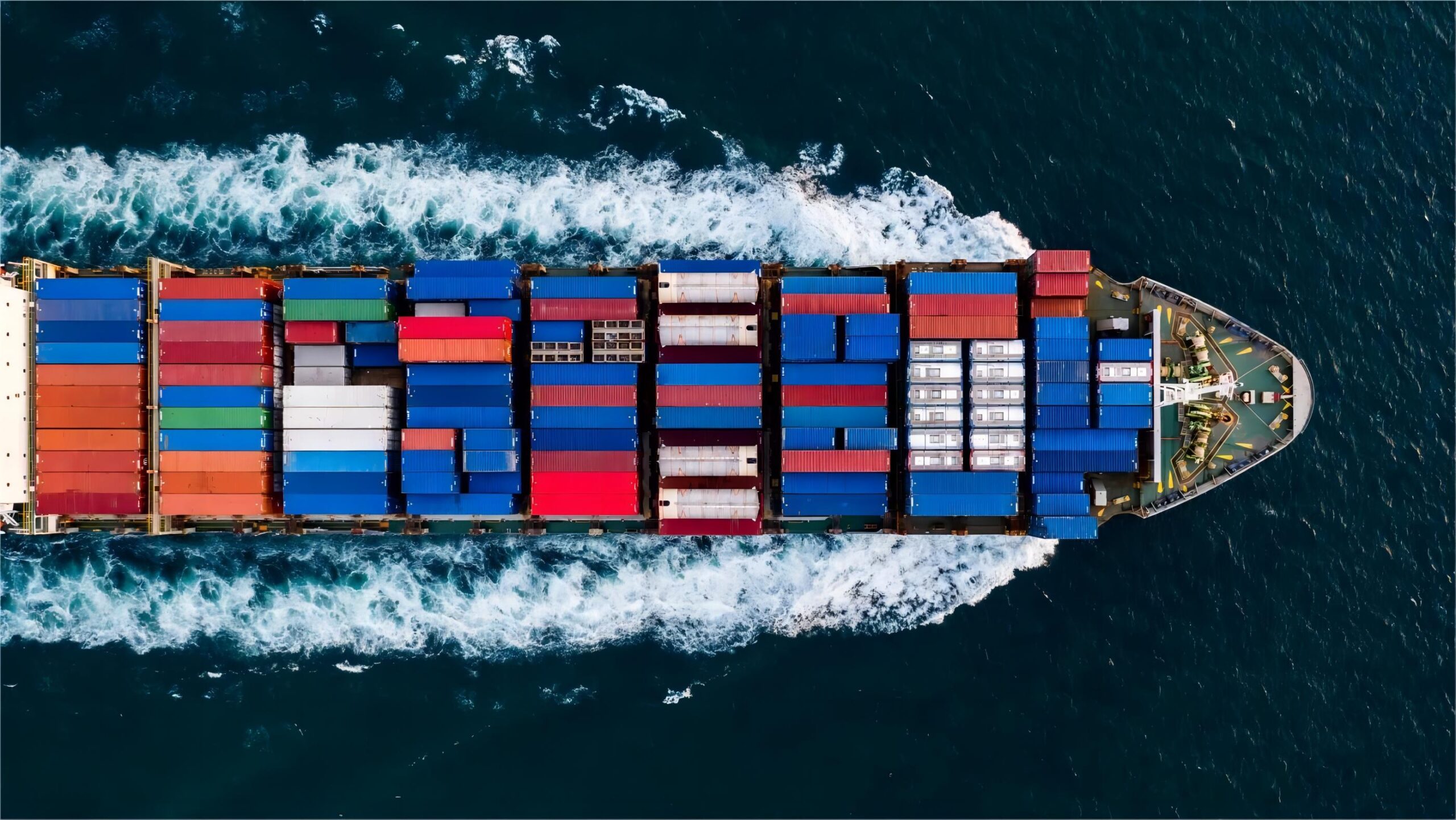
Ocean transport is the backbone of trade between Chinese manufacturing hubs and UAE ports like Jebel Ali. You can opt for sea freight in two primary forms: Full Container Load (FCL) or Less than Container Load (LCL). FCL is ideal for large shipments that can fill a 20ft or 40ft container, offering better security and faster handling. LCL allows multiple shippers to share space in a single container, making it a budget-friendly option for smaller loads.
Air Freight: Speed and Reliability
When time is the most critical factor, air freight provides the fastest transit times between major Chinese cities and Dubai or Abu Dhabi. Most shipments arrive within 3 to 7 days, including customs processing and local handling. Although the cost per kilogram is significantly higher than sea transport, the reduced inventory holding costs often justify the investment. This method is particularly effective for urgent restocks or high-demand product launches.
How Does Sea Freight Compare to Other Shipping Options?
Evaluating the different logistics avenues requires a clear understanding of the trade-offs between speed, cost, and capacity. While sea freight offers the lowest price point for bulk commodities, it lacks the agility of air or express services. Furthermore, the environmental impact of ocean shipping is generally lower per ton-mile compared to air transport. Businesses must decide which factor takes priority for each specific shipment to maintain an efficient supply chain.
Alternative strategies like sea-air hybrid solutions are also gaining traction for those seeking a middle ground. These hybrid models involve shipping goods by sea to a hub like Colombo or Singapore and then flying them to the UAE. This approach can save up to 40 percent in costs compared to pure air freight while being twice as fast as traditional sea routes. Understanding these nuances allows importers to adapt their strategies based on current market fluctuations.
| Shipping Method | Cost Range | Transit Time | Best For | Limitations |
|---|---|---|---|---|
| Sea Freight (FCL) | $1,500 – $2,800 | 20-30 Days | Bulk Goods | Slowest speed |
| Air Freight | $4.50 – $9.00/kg | 3-7 Days | High Value | High cost |
| Express Service | $8.00 – $15.00/kg | 2-4 Days | Samples/Docs | Size limits |
| Sea-Air Hybrid | Moderate | 12-18 Days | E-commerce | Complex transit |
Which Factors Influence the Cost of Cargo from China UAE?
Several variables contribute to the final price you pay for transporting goods across this international route. Fuel surcharges, known as the Bunker Adjustment Factor (BAF), fluctuate monthly based on global oil prices. Additionally, seasonal demand spikes during the Golden Week in China or the lead-up to Ramadan in the UAE can cause rates to soar. Understanding these cycles helps businesses time their bookings to secure more favorable pricing.
Container availability and port congestion also play significant roles in determining current market rates. When major ports in China face backlogs, carriers often implement peak season surcharges to manage the imbalance. Similarly, the choice of Incoterms, such as FOB or CIF, dictates which party is responsible for specific segments of the shipping costs. It is vital to clarify these terms before finalizing any purchase agreement with Chinese suppliers.
| Cost Component | Description | Impact Level | Controllability |
|---|---|---|---|
| Ocean Freight | Base port-to-port rate | High | Medium |
| Fuel Surcharge | Variable BAF fee | Medium | Low |
| Customs Duties | UAE import taxes | High | Low |
| Local Delivery | Last-mile trucking | Low | High |

What Documentation is Required for Customs Clearance?
Navigating the regulatory environment in the UAE requires precise documentation to avoid costly delays at the border. Every shipment must be accompanied by a commercial invoice, a detailed packing list, and a certificate of origin. Furthermore, utilizing a professional customs brokerage service can ensure that all HS codes are correctly classified. Incorrect classification can lead to fines or the seizure of goods by UAE Customs authorities.
Specific products may require additional permits from government ministries, such as the Ministry of Health or the Emirates Authority for Standardization and Metrology (ESMA). For example, electronics and toys often need a certificate of conformity to meet local safety standards. Ensuring that your supplier provides these documents well in advance of the ship’s arrival is crucial for a smooth transition. Consequently, proactive document management is a hallmark of successful international logistics.
| Document Name | Purpose | Issuer | Requirement |
|---|---|---|---|
| Bill of Lading | Title to goods | Carrier | Mandatory |
| Comm. Invoice | Value declaration | Exporter | Mandatory |
| Packing List | Content details | Exporter | Mandatory |
| Cert. of Origin | Verify source | Chamber of Comm. | Mandatory |
How to Optimize Your Supply Chain with Door to Door Services?
Many businesses prefer a comprehensive door to door solution to simplify their logistics operations. This service covers every step of the journey, from picking up the cargo at the factory in China to final delivery at your warehouse in the UAE. By consolidating all services under one provider, you reduce the risk of communication breakdowns between different agents. This holistic approach often leads to more predictable transit times and simplified billing.
For e-commerce sellers, specialized logistics are often necessary to meet the requirements of local platforms. If you are selling on major marketplaces, using Amazon FBA logistics can streamline the process of getting goods into fulfillment centers. These services handle the specific labeling and palletization requirements mandated by the platform. Ultimately, choosing an integrated service allows you to focus on sales and marketing rather than the minutiae of freight movement.
Which Option Should You Choose? A Decision Framework
Deciding on the best shipping method requires a balanced analysis of your business priorities and cargo characteristics. If your primary goal is cost reduction and you have flexible timelines, sea freight is the logical choice for volumes exceeding 2 CBM. However, if you are dealing with urgent stockouts or high-value items where security is paramount, air freight is the superior option. Always consider the total landed cost rather than just the initial freight quote.
Cargo type also dictates the feasibility of certain methods; hazardous materials or oversized equipment have restricted options. For small shipments under 100kg, an express service is often the most efficient due to simplified customs and rapid handling. We recommend evaluating your shipping strategy quarterly to account for changing market rates and carrier capacities. This proactive approach ensures your logistics remain both cost-effective and reliable.
Real-World Case Studies for China-UAE Shipments
Reviewing actual shipping scenarios provides valuable context for what to expect during the logistics process. These examples reflect the typical costs and timelines encountered by importers in the current market environment. Please note that these figures are based on industry averages from late 2024 and early 2025. They serve as a benchmark for planning your own cargo from China UAE movements.
Case Study 1: Electronics from Shenzhen to Dubai. A technology distributor needed to ship 450kg of high-end tablets. They chose air freight for its speed and security. The cargo was picked up in Shenzhen, cleared customs in Dubai, and delivered within 5 days. The total cost was approximately $3,150, which was justified by the high market value of the products and the need for immediate retail availability.
Case Study 2: Furniture from Foshan to Abu Dhabi. A commercial contractor ordered a full 20GP container of office furniture. By choosing sea freight, they managed to keep shipping costs at $1,950. The transit took 24 days from the Port of Nansha to Khalifa Port. This method allowed the contractor to stay within budget while meeting the project’s installation schedule. The key insight was the importance of early booking to secure container equipment during a busy period.
Mastering Your Cargo from China UAE Strategy
Successfully managing cargo from China UAE requires a deep understanding of the available shipping methods and the regulatory landscape. Whether you prioritize the speed of air freight or the economy of sea transport, selecting the right partner is the first step toward success. By carefully preparing documentation and choosing the appropriate Incoterms, you can avoid common pitfalls that lead to delays.
As market conditions continue to evolve, staying informed about logistics trends and cost factors will remain a critical part of your business strategy. Logistics Groups is committed to providing the transparency and reliability you need to thrive in the UAE market. Focus on building a resilient supply chain today to ensure long-term growth and profitability for your enterprise.

Ready to streamline your logistics?
Streamline your international logistics today with a customized quote for your cargo from China UAE. Our team of experts is ready to help you navigate customs and select the most efficient shipping routes for your business needs. Visit our inquiry page to get started. Send Inquiry: Visit https://logisticsgroups.com/contact-us/
Request Quote