

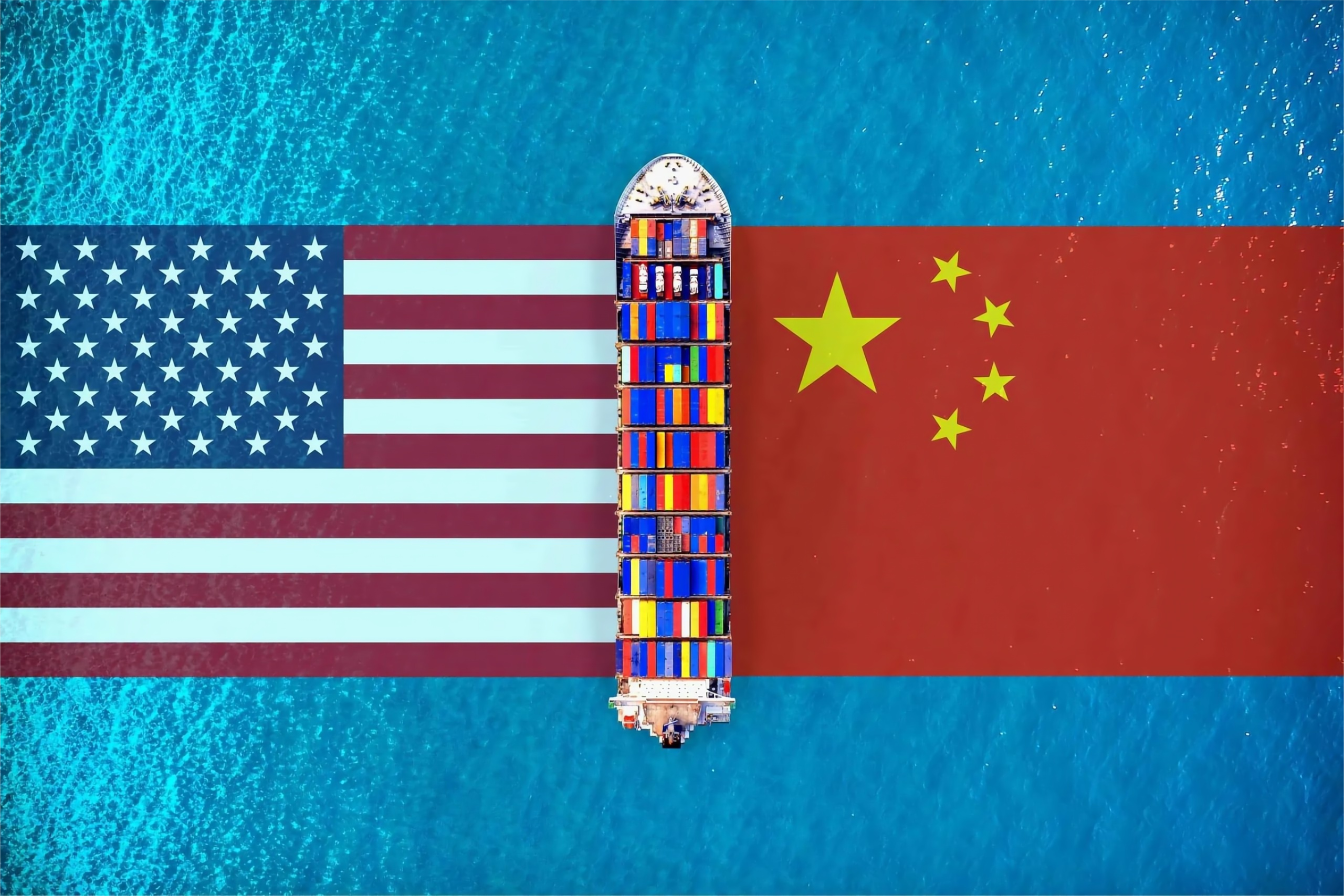
Customs Clearance China for Ecommerce Spain: A 2025 Guide
Navigating the complexities of international trade is essential for any digital entrepreneur looking to scale their business. When managing customs clearance china for ecommerce spain, businesses must understand the regulatory landscape to avoid costly delays. At Logistics Groups, we provide the expertise needed to streamline your imports and ensure your products reach Spanish customers efficiently. This comprehensive guide explores the essential steps, costs, and strategies for successful Spanish market entry.
How Does Customs Clearance China for Ecommerce Spain Work?
The process begins as soon as your goods leave the factory in China and enter the export phase. Consequently, you must ensure all export documentation is accurate to prevent issues at the Chinese border. Once the cargo arrives at a Spanish port or airport, the Agencia Tributaria, or Spanish Tax Agency, takes over the inspection process.
Moreover, the importer of record must present a series of documents to clear the goods through the Single Administrative Document (SAD) system. Professional customs brokerage services are often employed to manage this technical communication. Indeed, having an expert intermediary can significantly reduce the risk of your shipment being held for physical inspection.
Customs officials in Spain focus on verifying the HS codes, declared value, and compliance with EU safety standards. Therefore, maintaining transparency in your commercial invoice is vital for a smooth transition. If discrepancies are found, the authorities may impose fines or require additional testing, which adds to your total landed cost.
Essential Documents for Importing to Spain
Successful importation into Europe requires a meticulous approach to paperwork. Without a doubt, the most critical document is the Commercial Invoice, which must detail the buyer, seller, and a precise description of the goods. Additionally, the Packing List provides specific information about the weight, dimensions, and packaging of the shipment.
Furthermore, you will need a Bill of Lading for sea shipments or an Air Waybill for air transport. These documents act as a contract of carriage and a receipt for the goods. In contrast, for ecommerce sellers, the EORI (Economic Operators Registration and Identification) number is a mandatory requirement for all businesses importing into Spain.
To help you stay organized, we have compiled a checklist of the most common documents required by Spanish customs authorities.
| Document Name | Purpose | Required By | Notes |
|---|---|---|---|
| Commercial Invoice | Value Declaration | Customs / Tax | Must show HS codes |
| Packing List | Logistics Detail | Warehouse / Customs | Match with Invoice |
| EORI Number | ID of Importer | EU Authorities | Mandatory for EU trade |
| Certificate of Origin | Tariff Calculation | Customs | For preferential rates |
Understanding VAT and Duties for Spanish Ecommerce
Taxation is a major consideration when calculating your profit margins for the Spanish market. In Spain, the standard VAT rate is 21 percent, which applies to most ecommerce goods. However, the Import One-Stop Shop (IOSS) has simplified the process for shipments valued under 150 EUR, allowing sellers to collect VAT at the point of sale.
Meanwhile, for larger shipments, you might consider sea freight to manage costs effectively. Duties are calculated based on the CIF (Cost, Insurance, and Freight) value of the goods. Consequently, even a small error in your valuation can lead to significant tax adjustments during the audit phase.
Additionally, certain products like electronics or textiles may be subject to anti-dumping duties or specific EU quotas. Therefore, researching your specific HS codes before shipping is a fundamental step in your logistics planning. For instance, solar panels or steel products often face higher scrutiny and different tariff structures.
How Does Direct Shipping Compare to Other Shipping Options?
Choosing between direct shipping and transshipment is a strategic decision that impacts both speed and cost. Direct routes from China to Spanish ports like Valencia or Barcelona are faster but often come with a premium price tag. On the other hand, transshipment via hubs like Singapore or Algeciras can offer lower rates while adding a few days to the transit time.
For urgent ecommerce stock, air freight remains the gold standard for speed. Nevertheless, the high cost per kilogram makes it less suitable for bulky or low-margin items. In contrast, rail freight has emerged as a middle-ground solution, offering faster times than sea and lower costs than air.
To help you decide, we have analyzed the most common shipping methods used by ecommerce sellers today.
| Shipping Method | Cost Range | Transit Time | Best For |
|---|---|---|---|
| Express Service | High ($7-12/kg) | 3-5 Days | High-value samples |
| Air Freight | Medium-High ($4-8/kg) | 7-12 Days | Urgent inventory |
| Sea Freight (FCL) | $2,500 – $4,200 | 30-40 Days | Bulk stock / high volume |
| Rail Freight | $150 – $250 / CBM | 20-25 Days | Heavy goods / mid-speed |
Which Option Should You Choose for Spain?
Determining the best logistics path depends on your specific business goals and inventory turnover. If your priority is budget, sea freight LCL (Less than Container Load) is usually the most economical choice for smaller ecommerce batches. Conversely, if you are launching a new product and need it on the shelves quickly, air freight is the logical choice.
Moreover, many sellers now utilize door to door services to simplify their operations. This model handles everything from the factory floor in China to the final warehouse in Spain, including all customs formalities. As a result, the business owner can focus on marketing and sales rather than logistics paperwork.
Cargo type also plays a significant role in your decision. For example, fragile items or hazardous materials like lithium batteries require specialized handling and specific shipping certifications. Without a doubt, consulting with a logistics professional can help you navigate these technical requirements safely.
Case Studies: Successful Ecommerce Shipments to Spain
Real-world examples provide valuable insights into the actual costs and timelines involved in international shipping. Below are two scenarios based on typical shipments managed in late 2024 and early 2025.
Case Study 1: Electronics LCL Shipment
Route: Shenzhen, China to Madrid, Spain. Cargo: 500 units of smart home devices, 4 CBM, 850 kg. Shipping Method: Sea Freight LCL. Port of Loading: Shenzhen. Port of Discharge: Valencia. Ocean Freight: $450. Origin Charges: $180. Destination Charges: $220. Customs and Duties: $1,200. Total Landed Cost: $2,050. Sea Transit: 35 days. Customs Clearance: 3 days. Total Door-to-Door: 45 days. Key Insight: Accurate HS coding saved the client 5 percent in potential duty overpayment.
Case Study 2: Fashion Air Freight
Route: Guangzhou, China to Barcelona, Spain. Cargo: Seasonal clothing, 200 kg. Shipping Method: Air Freight. Port of Loading: Guangzhou (CAN). Port of Discharge: Barcelona (BCN). Air Freight: $1,100. Origin Charges: $120. Destination Charges: $150. Customs and Duties: $450. Total Landed Cost: $1,820. Air Transit: 6 days. Customs Clearance: 1 day. Total Door-to-Door: 10 days. Key Insight: Using IOSS for fast-track clearance allowed for immediate delivery to the fulfillment center.
Note: Freight rates are subject to change based on fuel costs, carrier capacity, and seasonal demand. Contact us for a current quote tailored to your specific shipment.
Avoiding Common Delays in Spanish Customs
Delays at the border can be devastating for an ecommerce business, leading to stockouts and unhappy customers. One of the most common causes of delays is a mismatch between the packing list and the physical cargo. Consequently, ensuring that your supplier in China provides precise data is a critical first step in the supply chain.
Furthermore, the lack of a valid EORI number or incorrect VAT registration can halt a shipment indefinitely. Indeed, Spanish authorities are particularly strict regarding the CE marking for electronics and toys. If your products do not meet these safety standards, they may be seized or returned to the origin at your expense.
To mitigate these risks, many sellers use Amazon FBA logistics to manage their European distribution. This allows for a more streamlined entry into the Spanish market while leveraging established fulfillment networks. However, the initial customs clearance remains the responsibility of the importer, making expert guidance essential.
Final Thoughts on Spanish Customs Clearance
Mastering customs clearance china for ecommerce spain is a vital skill for any serious importer. By understanding the documentation, tax requirements, and shipping methods, you can build a resilient and profitable business. Remember that the cheapest shipping option is not always the most cost-effective if it results in long delays or customs fines.
Indeed, the landscape of international trade is constantly evolving. Staying informed about the latest Spanish tax regulations and logistics trends will give you a competitive edge in the busy ecommerce marketplace. Partnering with an experienced logistics provider ensures that your customs clearance china for ecommerce spain remains a smooth and predictable part of your operations.

Ready to streamline your logistics?
Streamline your international supply chain today. Contact our team for a personalized quote on customs clearance china for ecommerce spain and ensure your goods arrive on time and within budget. Send Inquiry: