


DDP Sea Freight China to Australia: The 2026 Comprehensive Shipping Guide
Navigating ddp sea freight china to australia is a strategic move for businesses looking for cost-effective and hassle-free logistics solutions in the current market. Without a doubt, managing international trade requires a deep understanding of how various shipping terms impact your bottom line and delivery schedules. By choosing a reliable partner like Logistics Groups, you can simplify the complex process of moving goods across the ocean while ensuring all taxes and duties are handled professionally. Consequently, this guide provides everything you need to know about 2026 shipping trends, costs, and compliance requirements for the China-Australia route.
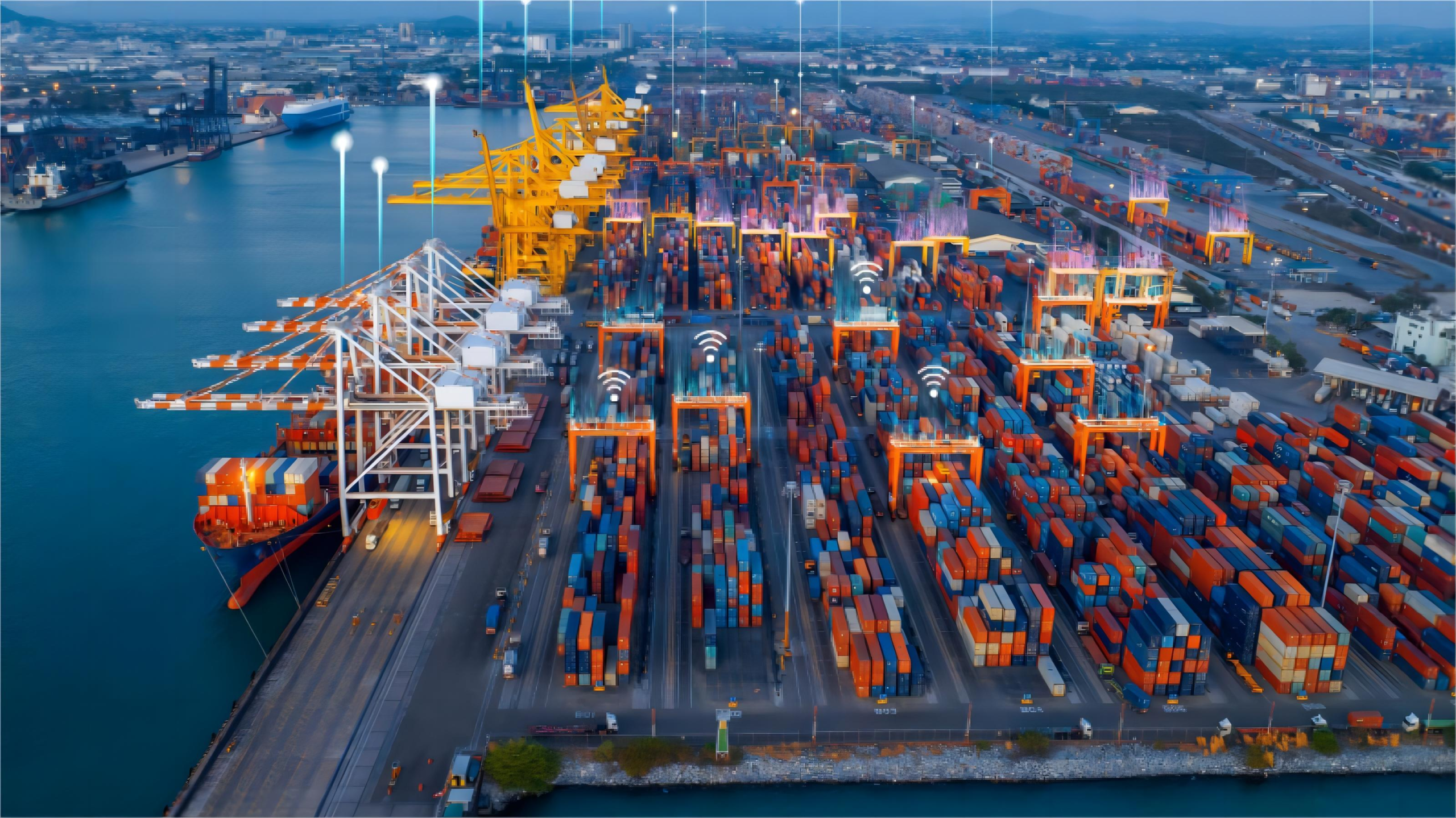
What is DDP Sea Freight China to Australia?
Delivered Duty Paid, or DDP, is an Incoterm where the seller assumes all responsibility, risks, and costs associated with transporting goods until the buyer receives them at the destination. In the context of ddp sea freight china to australia, this means the freight forwarder handles the entire journey, including export clearance, ocean transit, and import duties.
Furthermore, this method is highly popular among e-commerce sellers and small business owners who prefer a land-to-land solution without worrying about hidden fees. Indeed, when you opt for door to door services, the complexity of managing multiple logistics providers vanishes.
Moreover, the seller is responsible for paying the Goods and Services Tax (GST) and any applicable customs duties in Australia. Consequently, the buyer simply waits for the cargo to arrive at their warehouse or office, making it the most convenient shipping option available today.
How Does DDP Sea Freight Compare to Other Shipping Options?
Choosing the right shipping method depends on your budget, cargo volume, and urgency. While sea freight is the most economical choice for large volumes, other methods like air freight offer significant speed advantages for high-value items.
Additionally, businesses must weigh the pros and cons of Full Container Load (FCL) versus Less than Container Load (LCL). If you are shipping less than 15 CBM, LCL is often the better financial choice, although it might take slightly longer due to consolidation requirements.
On the other hand, express services are ideal for documents or very small parcels that need to arrive within a few days. However, for the majority of commercial imports, the cost-to-speed ratio of sea freight remains unbeatable in 2026.
| Shipping Method | Cost Range | Transit Time | Best For |
|---|---|---|---|
| DDP Sea Freight | $150 – $350 per CBM | 18 – 25 Days | Bulk goods and heavy cargo |
| DDP Air Freight | $5 – $9 per KG | 5 – 8 Days | Urgent or high-value stock |
| LCL Sea Freight | $80 – $180 per CBM | 22 – 30 Days | Small to medium shipments |
| Express Service | $10 – $15 per KG | 3 – 5 Days | Samples and urgent parcels |
Benefits of Choosing DDP for Australian Imports
One of the primary advantages of ddp sea freight china to australia is the total cost transparency it provides. Because all costs are calculated upfront, importers avoid the surprise of unexpected port charges or terminal handling fees upon arrival.
In addition, the risk of customs delays is significantly reduced when working with experts in customs brokerage. These professionals ensure that all paperwork, including the packing list and commercial invoice, complies with Australian Border Force regulations.
Meanwhile, this method allows business owners to focus on sales and marketing rather than logistics. Since the freight forwarder manages the entire supply chain, you save valuable time that would otherwise be spent coordinating with carriers and customs agents.
Understanding 2026 Shipping Costs and Pricing Trends
As of early 2026, freight rates from China to Australia have stabilized following the global logistics adjustments of the previous year. However, seasonal peaks during the Chinese New Year and the Australian pre-Christmas rush still cause temporary price spikes.
Typically, a 20GP container for ddp sea freight china to australia costs between $1,200 and $1,800, depending on the specific port of loading. For larger shipments, a 40HQ container might range from $1,800 to $2,600 in the current market environment.
Furthermore, fuel surcharges and port congestion in major hubs like Sydney or Melbourne can influence the final quote. It is always advisable to request a real-time quote to account for these fluctuating variables.
| Container Type | Average Cost (2026) | Capacity (CBM) | Max Weight (KG) |
|---|---|---|---|
| 20GP Container | $1,200 – $1,800 | 28 – 30 CBM | 18,000 KG |
| 40GP Container | $1,600 – $2,200 | 56 – 58 CBM | 26,000 KG |
| 40HQ Container | $1,800 – $2,600 | 68 – 70 CBM | 26,000 KG |
| LCL (per CBM) | $120 – $200 | Min 1 CBM | 500 KG |
Step-by-Step Process for DDP Sea Freight
The journey begins with the pickup of goods from your supplier in China, whether they are located in Shenzhen, Ningbo, or Shanghai. Once the cargo is collected, the freight forwarder manages the export documentation and loading onto the vessel.
Subsequently, the ship departs for major Australian ports like Port Botany or the Port of Melbourne. During this transit phase, you can usually track your shipment using the container number provided by your logistics partner.
Upon arrival, the forwarder handles the import customs clearance and pays the required GST on your behalf. Finally, the goods are loaded onto a truck for local delivery directly to your specified address in Australia.
Real Case Studies: Successful Shipments to Australia
Case Study 1: Furniture Import to Sydney
Route: Shenzhen, China to Sydney, Australia. Cargo: Home furniture, 12 CBM, 2,400 kg. Container: LCL 12 CBM. Carrier: COSCO. Port of Loading: Shenzhen. Port of Discharge: Sydney. Route Type: Direct.
Cost Breakdown: Ocean Freight: $1,440. Origin Charges: $250. Destination Charges: $320. Customs and Duties: $850. Total Landed Cost: $2,860.
Timeline: Booking to Loading: 3 days. Sea Transit: 14 days. Customs Clearance: 2 days. Total Door-to-Door: 22 days. Key Insight: Choosing LCL for this volume saved the client over $600 compared to a 20GP container.
Case Study 2: Electronics Distribution to Melbourne
Route: Shanghai, China to Melbourne, Australia. Cargo: Consumer electronics, 28 CBM, 8,500 kg. Container: 20GP. Carrier: Maersk. Port of Loading: Shanghai. Port of Discharge: Melbourne. Route Type: Direct.
Cost Breakdown: Ocean Freight: $1,650. Origin Charges: $300. Destination Charges: $450. Customs and Duties: $2,100. Total Landed Cost: $4,500.
Timeline: Booking to Loading: 5 days. Sea Transit: 18 days. Customs Clearance: 3 days. Total Door-to-Door: 30 days. Key Insight: Early booking during the Q3 peak season ensured space availability and locked in a lower rate.
Customs Documentation and Compliance in Australia
Navigating Australian customs requires precision and a thorough understanding of the Department of Agriculture, Fisheries and Forestry (DAFF) requirements. Specifically, wood packaging must be treated and certified to prevent the introduction of pests into the country.
Additionally, a detailed packing list and commercial invoice are mandatory for every shipment of ddp sea freight china to australia. These documents must clearly state the value of the goods, the country of origin, and the correct Harmonized System (HS) codes.
Moreover, certain products like chemicals or electronics may require additional permits or certifications. Working with a dedicated sea freight expert ensures that all these compliance hurdles are cleared before the ship even docks.
Which Option Should You Choose? Decision Framework
Determining the best logistics strategy involves analyzing your specific business needs and cargo characteristics. If your primary goal is cost minimization and you have a flexible timeline, sea freight is undoubtedly the most suitable choice.
Conversely, if you are launching a new product and need it in stock immediately, a hybrid approach might be necessary. You could ship a small portion via shipping to Australia through air freight while the bulk of the order follows by sea.
Furthermore, consider the volume of your goods. For shipments over 15 CBM, FCL is typically more secure and cost-effective. For smaller volumes, LCL DDP provides the best balance of price and convenience.
Final Thoughts on DDP Sea Freight Logistics
In conclusion, utilizing ddp sea freight china to australia is a powerful way to manage your international logistics with confidence and clarity. By understanding the costs, transit times, and documentation requirements, you can optimize your supply chain for maximum efficiency.
Furthermore, partnering with an experienced freight forwarder mitigates the risks associated with customs and international transport. As we move through 2026, staying informed about market trends will ensure your business remains competitive in the Australian market.

Ready to streamline your logistics?
Ready to streamline your supply chain with reliable ddp sea freight china to australia? Contact our expert team today for a personalized quote and experience seamless door-to-door delivery that grows your business. Visit Logistics Groups to get started with your 2026 shipping strategy.
Request Quote